A cheap used phone stops being a deal the moment the battery dies at lunch, the screen has hidden damage, or the device gets blocked after you pay. That is why the real question is not just where can I buy a good used phone, but where can you buy one with less risk, clear condition details, and a fair price.
Where can I buy a good used phone without guessing?
The best place to buy a used phone depends on how much risk you are willing to take. If price is your only priority, peer-to-peer marketplaces usually look attractive first. If condition, testing, and after-sales confidence matter more, a retail shop that inspects pre-owned devices is usually the safer choice.
For most buyers, there are four common options: local phone shops, online marketplaces, carrier or manufacturer trade-in channels, and refurbished electronics sellers. Each one can work, but they are not equal when it comes to convenience, product checks, or what happens if something is wrong after purchase.
Local phone shops
A good local phone shop is often the most balanced option. You can see the phone in person, test the screen, cameras, speakers, buttons, charging port, Face ID or fingerprint reader, and confirm the storage variant before paying. That matters more than many buyers realize. A listing can say “excellent condition,” but five minutes of in-store testing tells you much more.
This route also makes sense if you want a straightforward buying process. You ask what is available, compare condition and price, test the device, and decide on the spot. For buyers who do not want to gamble on shipping delays, surprise defects, or unclear return processes, this is usually the easiest path.
Online marketplaces
Online marketplaces can have lower prices, especially if a private seller wants a quick sale. The trade-off is obvious. You are relying on photos, short descriptions, and the seller’s honesty. Some sellers are genuine, but some omit details like reduced battery health, replaced parts, network issues, or account locks.
If you buy this way, you need to do more checking yourself. Ask for the exact model number, storage size, battery health if available, IMEI or serial status, repair history, and clear photos of the frame, display, back glass, and camera area. If the seller avoids simple questions, move on.
Refurbished electronics sellers
Refurbished sellers can be a solid middle ground. In theory, you get a tested device, some grading standard, and a return period. In practice, quality varies by seller. Some refurbish properly. Others mainly clean the phone, reset it, and list it.
This is why the seller matters more than the word refurbished. A carefully inspected used phone from a reliable retailer can be a better buy than a loosely graded refurbished one from a seller with inconsistent standards.
Carrier and manufacturer channels
Carrier and manufacturer channels tend to be more predictable, but not always the cheapest. Stock can also be limited, especially for older models or specific storage versions. If you are set on a popular model with flexible color choices and want the simplest transaction, this route may work. If you want better value across different brands and price points, an independent retailer often gives you more choice.
What makes a used phone “good”?
A good used phone is not just one with a low price. It should match your needs, have no serious functional issues, and still offer enough lifespan to justify the cost.
Condition comes first. Cosmetic wear is usually fine if the price reflects it. Deep scratches, burn-in, weak battery performance, loose charging ports, and non-original screens are different. Those affect daily use. A phone can look decent in photos and still be frustrating to own.
Battery health is a big factor, especially on older devices. If a battery is heavily worn, you may end up paying for a replacement soon after buying. That changes the value equation. A slightly higher-priced device with a healthier battery can be the smarter purchase.
Model age also matters. A good used phone should still receive software support for a reasonable period, especially if you care about security updates, banking apps, and resale value later. An older flagship may outperform a newer budget phone in some areas, but if software support is near the end, the lower price may not be worth it.
Where can I buy a good used phone at the best value?
If your goal is value, not just the lowest sticker price, look for sellers that combine three things: tested inventory, transparent condition grading, and in-person or clearly documented buying support. That is where many buyers get a better result.
The cheapest listing is often not the cheapest ownership experience. You may need a battery replacement, screen repair, or even a replacement device if the first one has hidden issues. Paying a bit more at a reliable shop can save money and hassle.
For buyers comparing brands such as Apple, Samsung, Google, Xiaomi, Oppo, or Nothing, a multi-brand retailer can also be more practical. You can compare actual stock across price tiers instead of getting locked into one brand too early. Sometimes the best deal is not the model you planned to buy. It is the one with better condition, more storage, and stronger battery life at the same budget.
What should you check before buying?
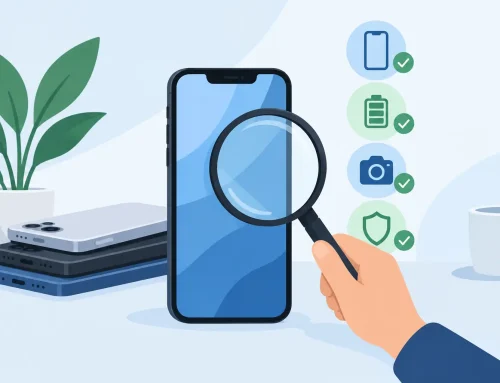
Start with the basics: exact model, storage, RAM if relevant, local compatibility, battery condition, and overall cosmetic grade. Then move to functionality. Test the display for dead spots, cameras for focus issues, speakers for distortion, microphones for clarity, and charging for stable connection.
Account and network status are just as important. Make sure the device is factory reset, not linked to someone else’s account, and not blocked or blacklisted. On iPhones, activation lock is a major issue if not cleared. On Android devices, account lock can also create problems after reset.
Ask whether any parts were replaced. A replaced battery is not always bad if done properly. A low-quality replacement screen is another story. It may affect brightness, touch response, color, or fingerprint sensor performance.
If you are buying in person, spend a few extra minutes. Open apps, connect to Wi-Fi, test Bluetooth, check front and rear cameras, and inspect the frame for signs of drops or repairs. A seller that is comfortable with testing is usually easier to trust than one pushing for a rushed deal.
How to choose the right seller
A good seller is clear, not vague. Listings should state model, storage, condition, and pricing without making you chase basic information. If the seller offers used phones regularly, that is also a good sign. It usually means they have a process for testing, grading, and preparing devices for sale.
Look for sellers that let you inspect the phone before payment or offer a practical return policy. Shops that deal in both buying and selling used devices often understand common faults better because they see phones from both sides of the transaction. That experience matters.
This is one reason buyers often prefer established retailers over random individual sellers. A shop has more reason to protect its reputation, keep stock moving, and avoid selling problem units. For example, a retailer like Gadget Affair that handles used devices, in-store testing, and trade-ins is built around exactly the concerns most buyers have: condition, price, and immediate availability.
When is a used phone not worth buying?
Sometimes the answer is simple. If the price gap between used and new is too small, buying used may not make sense. This happens with newer mid-range models, where promotions on new units can make the difference surprisingly narrow.
You should also be careful with phones that are already several generations old unless the price is truly low and your needs are basic. If you need all-day battery life, reliable camera performance, 5G support, or longer software support, an older premium model may disappoint despite the brand name.
The same goes for heavily repaired devices. A phone with third-party parts, weak battery life, and cosmetic damage may still work today, but it is harder to trust over the next year.
A good used phone should feel like a smart buy, not a compromise you regret after a week. Take a little extra time, buy from a seller that gives clear details, and choose the device that still has useful life left in it.