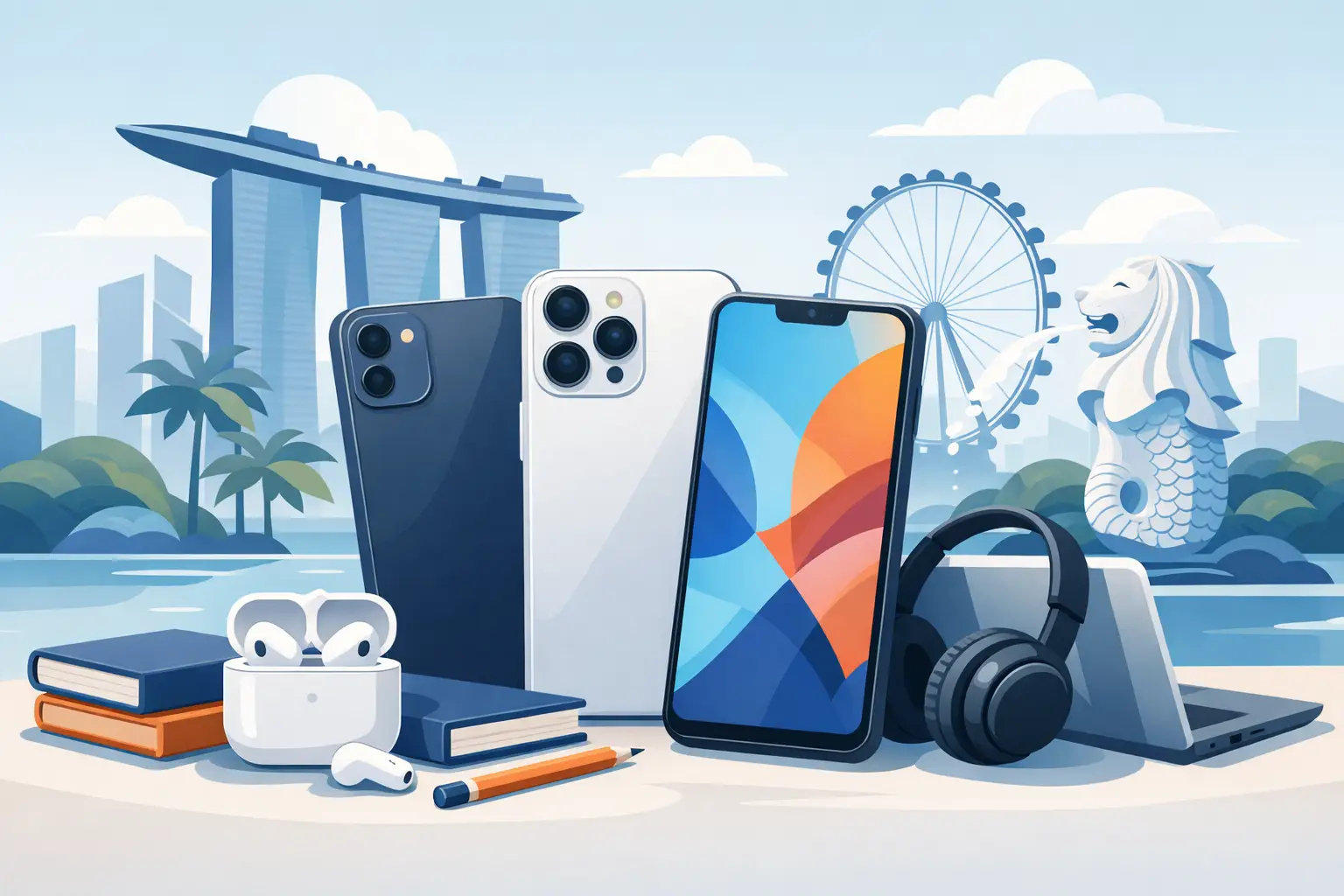
A student phone usually gets treated harder than most. It needs to survive long school days, commute time, group chats, lecture notes, videos, gaming, and the occasional drop onto a classroom floor. That is why finding the best phones for students Singapore buyers should consider is less about chasing flagship hype and more about getting the right mix of price, battery life, storage, and reliability.
For most students, the sweet spot is not the most expensive device on the shelf. It is the phone that runs smoothly for two to four years, handles school apps without lag, has enough battery to last from morning classes to late evening study sessions, and does not force you to carry a power bank every day. Camera quality matters too, but usually after basics like performance and storage are covered.
What makes the best phones for students Singapore buyers can actually use
Student budgets vary, but the buying logic is usually the same. A good student phone should feel fast for everyday tasks, offer decent battery life, and have enough storage for notes, photos, downloaded videos, and apps. In Singapore, where many students are commuting, a bright display and strong mobile connectivity matter more than people think.
A second point is value over branding. Some students want an iPhone because it works well with AirPods, iPads, or family group chats. Others simply want the most performance for the lowest price. Neither choice is wrong. The better question is what you are paying for and whether you will actually use those extra features.
Buying new versus used also matters. A newer budget Android phone may give you a fresh battery and warranty peace of mind. A used higher-end model may give you better cameras, better build quality, and faster performance for similar money. It depends on your budget and how long you plan to keep the phone.
10 best phones for students Singapore shoppers should shortlist
1. iPhone 13
The iPhone 13 remains one of the safest student picks if you want iOS without paying current flagship pricing. It is still fast, the camera is reliable, and app support should remain strong for years. Battery life is good enough for most school days, and the size works well if you carry your phone around all day.
The trade-off is simple. Storage upgrades can get expensive, and you are paying more than you would for many Android phones with larger screens or faster charging. Still, if you want a dependable iPhone that should age well, this is one of the strongest value options.
2. iPhone 12
If the iPhone 13 stretches your budget too far, the iPhone 12 still makes sense for students who want Apple at a lower entry price. It handles school apps, social media, video calls, and content streaming without any issue. The design also still feels current.
Its battery is not as strong as the iPhone 13, so heavy users may feel the difference by late afternoon. But for lighter to moderate use, it is still a practical choice, especially if you want to keep costs controlled.
3. Samsung Galaxy A55
The Galaxy A55 is a strong all-rounder for students who want a modern Android phone without jumping to flagship pricing. It offers a solid display, dependable battery life, and enough performance for multitasking, casual gaming, and everyday school use.
Samsung also tends to appeal to buyers who want a familiar brand with a polished software experience. The phone is not the cheapest in its segment, but it balances quality, support, and day-to-day usability well.
4. Samsung Galaxy A35
The Galaxy A35 works for students who want Samsung reliability at a lower cost than the A55. It is a practical pick for messaging, note-taking, streaming, navigation, and regular app use. Battery life is generally one of its stronger points.
The compromise is performance headroom. If you game often or keep many apps open at once, the A55 will feel more comfortable over time. If your use is more basic, the A35 is easier on the wallet.
5. Xiaomi Redmi Note 13 Pro
Xiaomi usually gets attention for one reason – you get a lot for the money. The Redmi Note 13 Pro is a strong example. Students who care about display quality, decent cameras, and generous specs for the price should take a close look.
This kind of phone tends to suit buyers who compare storage, RAM, and battery size carefully. The software experience may not be everyone’s favorite, but from a pure value standpoint, it is hard to ignore.
6. Poco X6 Pro
If performance matters more than brand prestige, the Poco X6 Pro is one of the most interesting student picks. It is especially good for students who game, edit short videos, or want a phone that feels fast for the price.
The trade-off is that the camera and overall polish may not feel as balanced as more expensive models. But if your priority is speed and value, this is one of the better performance buys in the mid-range market.
7. Nothing Phone (2a)
The Nothing Phone (2a) suits students who want something a bit different without paying premium flagship money. It offers clean software, good battery life, and a design that stands out in a market full of similar-looking phones.
It is not the cheapest option, so you are partly paying for the overall experience rather than raw specs alone. Still, for students who care about design and a less cluttered Android interface, it is a sensible choice.
8. Realme 12 Pro+
The Realme 12 Pro+ is a good fit for students who care more about camera flexibility and screen quality than pure processing power. For social content, casual photography, and regular daily use, it offers strong value.
Like many mid-range phones, it sits in a middle zone. It is not the absolute cheapest, and it is not trying to be a flagship killer in every category. But it does enough things well to be easy to recommend.
9. Infinix Note 40
For students on a tighter budget, Infinix is worth considering. The Note 40 can make sense if your goal is simple – get a large screen, usable performance, and enough battery for daily school use without overspending.
The lower price means you should keep expectations realistic. Build quality, camera consistency, and long-term resale value may not match bigger brands. But if price comes first, this kind of phone can cover the basics well.
10. Google Pixel 7a
The Pixel 7a is a strong option for students who want a better camera and cleaner Android experience without going full flagship. It is compact, smooth in daily use, and especially attractive if you care about point-and-shoot photo quality.
Battery life is decent rather than class-leading, so heavy users may need a charge before the day is over. But for software experience and camera quality at this level, it remains a very solid pick.
How to choose between iPhone, Samsung, Xiaomi, and other brands
If you already use Apple devices, an iPhone usually makes the most sense. AirDrop, iMessage, shared notes, and general cross-device convenience can save time if your school setup already includes a MacBook or iPad. The downside is clear – Apple usually costs more, especially once you need more storage.
Samsung is the safer middle ground for many buyers. You get broad model choice, familiar software, and good support across different price points. It is often the brand students choose when they want something known and dependable without moving into top-tier pricing.
Xiaomi, Poco, Realme, Infinix, and similar brands are usually stronger on specs per dollar. If you compare RAM, storage, charging speed, and screen size closely, these brands often look attractive. The trade-off can be software preference, camera consistency, or long-term resale value.
Google Pixel and Nothing sit in a slightly different lane. They appeal to students who care about cleaner software, a less cluttered user experience, or a more distinctive design. They are not always the lowest-priced options, but they can be better daily-use devices for the right buyer.
New or used for a student phone?
This is where many buyers can save real money. A used premium phone can sometimes be a smarter buy than a brand-new budget phone. For example, an older iPhone or Samsung flagship may still give you better cameras, better performance, and a better display than a fresh low-cost model.
That said, used only makes sense when condition is clearly stated and the device has been properly checked. Battery health, screen condition, and network compatibility matter. If you want less risk and a fresh battery, a new mid-range phone is often the easier choice. If you want stronger value and can buy from a trusted local seller that allows testing, used can be the better deal.
What students should not overspend on
It is easy to get pulled toward high refresh displays, flagship chipsets, or camera features you may never use. For most students, the bigger priorities are 256GB storage if you keep lots of files, at least decent battery life, and enough RAM to keep the phone responsive for the next few years.
Fast charging is useful in real student life. Premium camera zoom systems usually matter less. Water resistance is nice to have. A phone case and screen protector are often a better practical spend than stretching your budget for a higher model tier.
If you are buying around exam season, school reopening, or after getting a trade-in value on your current phone, compare the total deal instead of just the listed retail price. Sometimes the best value is not the cheapest phone but the one that gives you the longest useful life for your budget.
A student phone does not need to impress anyone. It just needs to work every day, hold charge when you need it, and stay reliable through classes, projects, and your commute. If you buy with that in mind, you will usually end up with a better phone and a better deal.