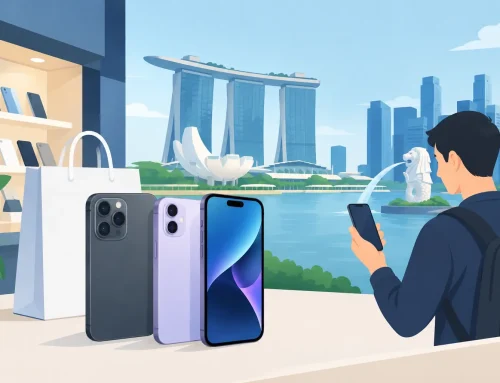
A used iPhone 13 usually looks like an easy yes – until you start comparing battery health, storage, screen condition, and asking price. This iphone 13 used review is for buyers who want a clear answer before spending money on a pre-owned device.
iPhone 13 used review: who should still buy it?
The iPhone 13 still makes sense for a lot of buyers. It is not the newest model, but it hits a practical middle ground. You get strong everyday performance, solid cameras, 5G, MagSafe, and a design that still feels current without paying the price of a newer iPhone.
For students, young professionals, and anyone replacing an older iPhone like the XR, 11, or SE, the jump is noticeable. Apps open quickly, the display is brighter and sharper than older LCD models, and battery life is generally better than what you get from many aging used phones in the same range.
Where it gets more complicated is price. If the used iPhone 13 is only slightly cheaper than a newer model or a higher-condition iPhone 14, the value weakens. A used phone only makes sense when the condition, battery health, and storage all match the asking price.
What still feels good in 2025
Performance is the main reason the iPhone 13 has held up well. The A15 Bionic is still fast for daily use, social apps, video calls, streaming, navigation, and gaming. Most buyers are not going to feel slowed down by this phone unless they are coming from a much newer Pro model.
The 6.1-inch OLED display is another reason it remains easy to recommend. Colors look good, blacks are deep, and the screen still feels premium for watching videos or scrolling all day. It is not a high-refresh-rate panel, so if you are used to 120Hz on a Pro iPhone or some Android models, it may feel less smooth. For many buyers, though, that is not a deal breaker.
Camera performance is also still strong. In good lighting, the iPhone 13 takes sharp, reliable photos with natural-looking color. Video remains one of its best features. If you shoot a lot of short clips, family moments, travel videos, or content for social media, it still does the job very well.
Battery life can be good, but this is the area where used units vary the most. A healthy iPhone 13 battery still delivers comfortable all-day use for many people. A worn battery changes the whole experience. That is why one used iPhone 13 can feel like a bargain while another feels tired from the start.
The trade-offs you should expect
A used iPhone 13 is not a perfect buy for everyone. The first limitation is refresh rate. You are getting a standard 60Hz display, and some buyers notice that immediately. If smooth scrolling matters to you, especially if you are coming from a newer Android phone with 90Hz or 120Hz, this may bother you more than expected.
The second trade-off is zoom and camera flexibility. The iPhone 13 has a good dual-camera setup, but it does not give you a telephoto lens. If you like shooting concerts, kids on stage, or tighter portraits from farther away, you will feel that limitation.
Charging speed is another area where newer phones have moved ahead. It is fine, but not especially fast. If you are the type who tops up quickly before heading out, you may find it average rather than impressive.
Then there is wear and tear. A used device can look clean in photos and still have reduced battery health, replaced parts, weak speaker output, or minor Face ID issues. This is less about the iPhone 13 itself and more about how carefully the phone was checked before resale.
iPhone 13 used review: battery, storage, and condition matter more than color
Most buyers focus on cosmetics first, but battery health and storage are usually more important. A clean-looking 128GB unit with weak battery health may be a worse buy than a lightly scratched 256GB model with a stronger battery.
Battery health is one of the first things to verify. A figure in the high 80s or above is generally more comfortable for a used iPhone 13, though exact value still depends on your daily usage. If battery health is much lower, factor in the cost and inconvenience of a future battery replacement.
Storage is the other big decision. For light users, 128GB is workable. For buyers who keep a lot of photos, offline videos, games, or work apps, 256GB tends to be the safer choice. Choosing too little storage just because the price looks attractive can become frustrating very quickly.
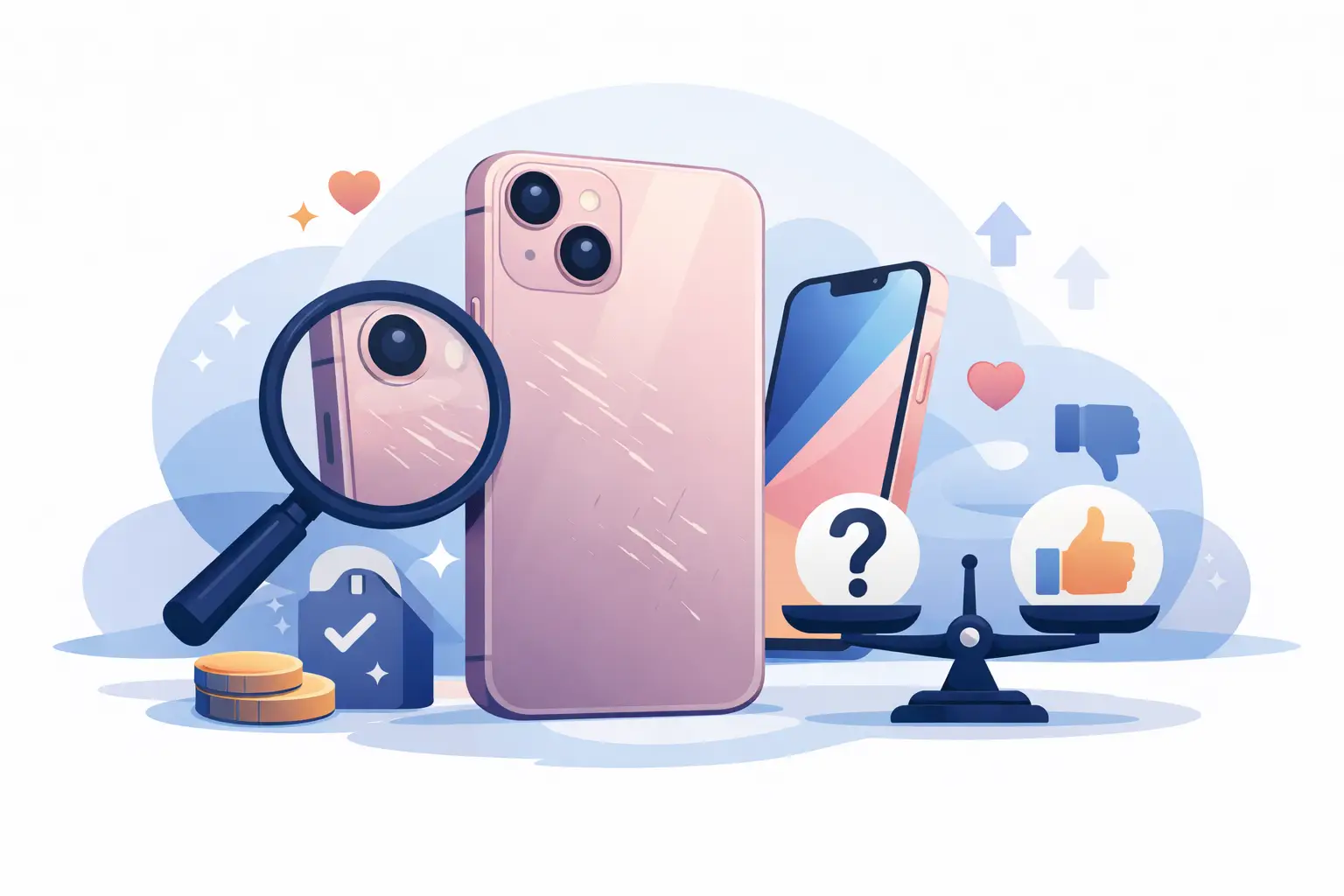
Condition grading also needs common sense. Small frame marks are normal on a used phone. Deep dents, heavy screen scratches, lifted display edges, or non-original parts should lower the price enough to make the risk worthwhile. If they do not, walk away.
What to check before buying a used iPhone 13
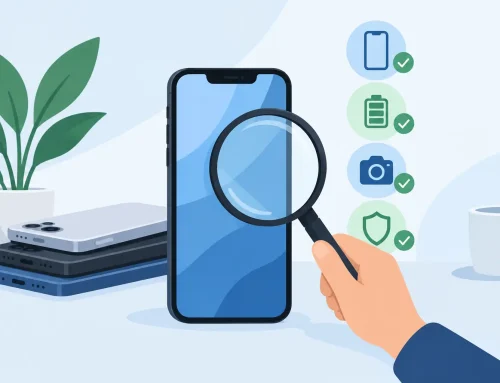
A proper inspection matters more than the model name. Start with the display. Check for dead pixels, unusual tint, burn-in, touch response issues, and any signs that the screen was replaced poorly.
Then test Face ID, cameras, speakers, microphone, charging port, side buttons, Wi-Fi, Bluetooth, and cellular signal. These are basic checks, but they catch many of the real problems that create regret after purchase.
Ask whether parts have been replaced and whether the device is factory reset and ready for activation. Activation lock issues are a major red flag. If the phone is not fully cleared and ready for the next user, it is not ready to buy.
Battery health should be shown clearly, not vaguely described. The same goes for warranty terms if any are offered. Buyers are usually more confident when the seller has already done these checks and is willing to let them inspect the phone in person.
That is one reason many buyers prefer a retailer that inspects used stock and allows in-store testing instead of gambling on a random listing. If you are buying in Singapore, being able to view and test the device before paying at a shop like Gadget Affair can save a lot of back-and-forth later.
Is the camera still good enough?
Yes, for most users it is. The iPhone 13 camera system is not cutting-edge anymore, but it is still dependable. Daylight photos are detailed, skin tones are generally handled well, and low-light performance remains respectable for a non-Pro model.
Video is where it continues to punch above its price. Stabilization is good, focus is reliable, and overall output still looks polished enough for casual creators and everyday users. If you mainly want a phone that captures sharp photos of food, friends, pets, travel, and family, the iPhone 13 does not feel outdated.
If your expectations are higher – especially for zoom, advanced portrait work, or better night performance – you may want to compare it with a used Pro model instead. That usually means spending more, so it comes back to budget.
Who should skip it?
If you want the cheapest possible iPhone that still works well, the iPhone 13 may actually be more than you need. An iPhone 12 in strong condition could offer better value if the price gap is meaningful.
If you care about high refresh rate, faster camera upgrades, or keeping your phone for the longest possible software support window, you may want to move one step newer. The iPhone 13 is still current enough for many buyers, but it is not the best fit for those who always want the latest features.
You should also skip any used iPhone 13 that is priced too close to a better-condition alternative. Used tech is all about the gap between price and remaining life. If that gap is too small, the deal is not as good as it looks.
Final verdict
The iPhone 13 remains one of the safer used iPhone buys because it still delivers where most people care: speed, screen quality, camera reliability, and day-to-day battery life when the unit is healthy. It feels modern enough, and that matters when you want a phone that will not feel dated the moment you switch it on.
The catch is simple. Do not buy it based on model name alone. Buy it based on condition, battery health, storage, and whether the seller has properly checked the device. Get those four things right, and a used iPhone 13 is still a smart buy. Get them wrong, and even a good model can turn into an expensive compromise.
If you are comparing listings right now, slow down and look past the headline price. The best used phone is not the cheapest one on the page. It is the one that is ready to use, priced fairly, and unlikely to give you problems next week.