That old phone in your drawer is not just clutter. If you are planning an upgrade, this guide to phone buy back helps you understand what your device is worth, what buyers actually check, and how to avoid the common mistakes that lower your payout.
Phone buy back sounds simple on paper. You hand over a device, get a quote, and walk away with cash or trade-in value. In reality, price depends on condition, model demand, storage, battery health, network status, and whether the phone is ready for resale. A clean and fully functional device usually moves faster and gets a stronger offer. A phone with missing parts, activation locks, or hidden faults usually gets marked down.
What phone buy back actually means
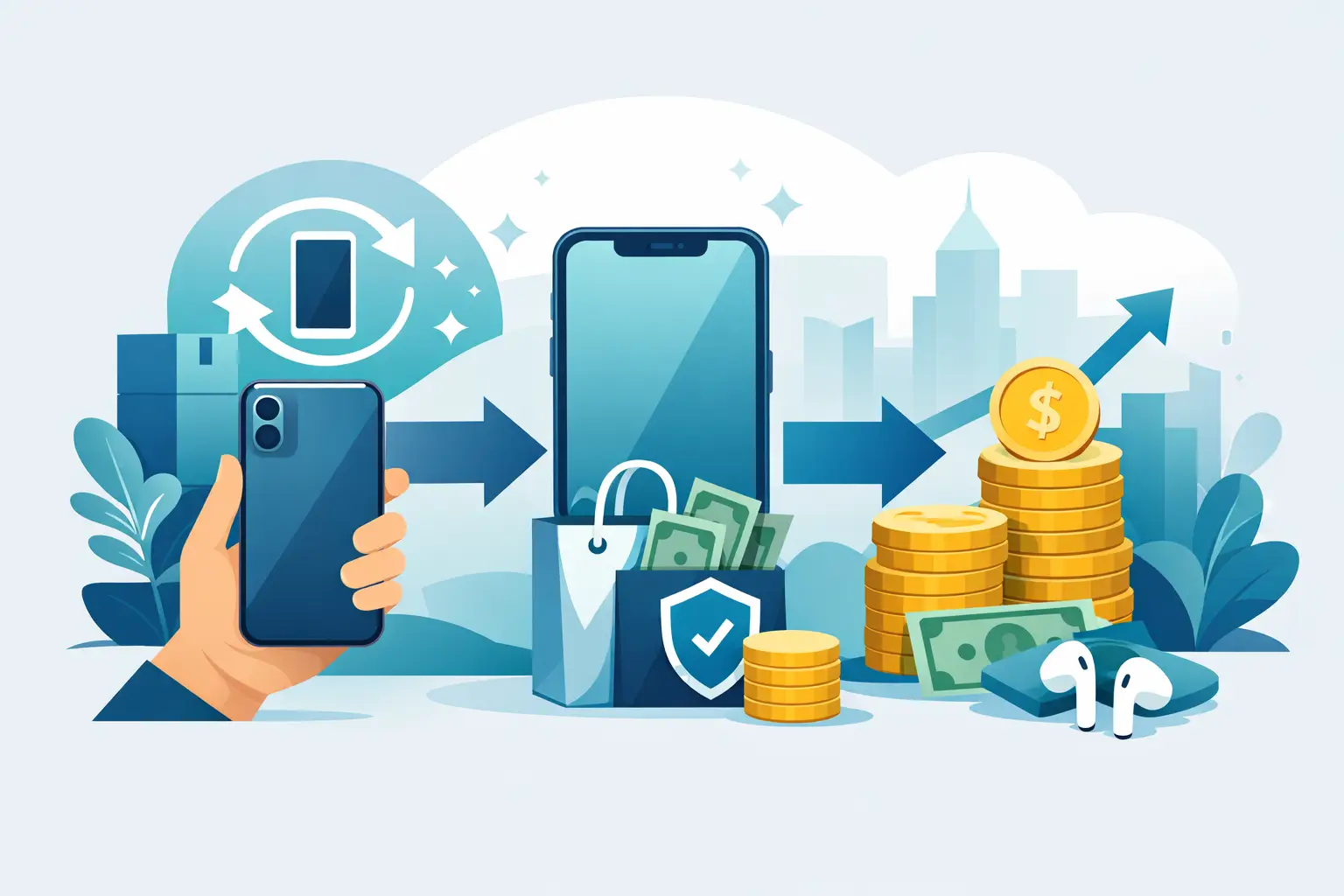
A phone buy back service buys your device based on current resale value, inspection results, and market demand. The buyer is not only paying for the phone as it is today. They are also pricing in the work needed to test it, clean it, reset it, and resell it with confidence.
That is why the offer you get is different from what you see in peer-to-peer marketplace listings. A private seller may ask for more, but that usually comes with more effort, more waiting, and more risk. Buy back is usually about speed, convenience, and certainty. If you want to sell quickly without handling chats, no-shows, or payment issues, that trade-off often makes sense.
A practical guide to phone buy back pricing
The biggest question is always the same: how much is my phone worth? The short answer is that newer models with strong demand hold value better, especially popular iPhones, Samsung Galaxy devices, Google Pixel models, and widely used budget phones in clean condition. But two phones with the same model name can still get different offers.
Storage matters because it affects resale appeal. A higher-capacity version often commands a better price, but not always by a huge margin. Condition matters more. A 256GB phone with screen burn, weak battery life, or replacement warnings may get less interest than a 128GB unit in clean shape.
Cosmetic wear also matters, but buyers usually care most about function. Light scratches may be acceptable. Cracked glass, dead pixels, dented frames, camera issues, Face ID or fingerprint sensor failure, charging port faults, and speaker problems can reduce value fast. If the phone powers on normally and passes key checks, that is a good start. If it has intermittent issues, expect a lower quote.
Timing can also change the number. Prices tend to soften after a new series launches or when the used market gets flooded with the same model. If you are already planning to switch devices, waiting too long can cost you more than most people expect.
What buyers check before making an offer
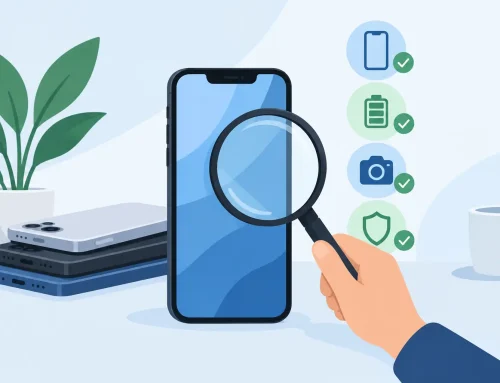
Most proper buy back checks are straightforward. They confirm the exact model, storage, IMEI status, physical condition, display condition, camera performance, charging, buttons, speakers, microphones, wireless functions, and battery health when available.
On iPhones, activation lock is a major checkpoint. If Find My iPhone is still on, the device cannot be processed properly. On Android phones, Google account locks can cause the same problem. If the phone is account-locked, the quote may be delayed or rejected until you remove it.
Battery condition is another area people underestimate. A phone can look fine on the outside and still be hard to resell if battery health is poor or if it drains too quickly under normal use. Some buyers will still take it, but they may adjust the offer because battery replacement adds cost.
Original parts can help. A phone that has had unofficial screen or battery replacements may show warning messages or fail certain checks. That does not always mean it has no value, but it can affect resale confidence and lower the buy back price.
How to prepare your device before a phone buy back
A little prep can protect your data and improve the selling process. Start by backing up what you need. Photos, chats, contacts, notes, and app data should be saved before anything else. Once that is done, sign out of your accounts, remove security locks, and factory reset the phone.
Take out your SIM card and any memory card. If you still owe money under a carrier installment plan, settle that first if required. A blacklisted or finance-locked device can be difficult or impossible to sell through normal buy back channels.
Cleaning the phone helps more than people think. You do not need to make it look brand new, but wiping off fingerprints, dust, and grime gives a better first impression during inspection. If you still have the box, charging cable, or receipt, bring them along. Accessories usually do not transform the offer, but they can help complete the package.
If there are known issues, be upfront about them. It saves time and leads to a more realistic quote. Hidden faults nearly always come out during testing, and that can slow down the process or reduce trust.
Trade-in versus straight sale
If you are upgrading right away, a trade-in can be the most convenient route. You sell the old device and put the value toward your next purchase in one transaction. That is useful if you want to reduce out-of-pocket cost and leave with a replacement the same day.
A straight sale makes more sense if you do not need another device yet, or if you want cash flexibility. There is no universal best option here. It depends on whether convenience or payout structure matters more to you.
For many buyers and upgraders, a store that handles both sales and buy back is practical because the condition check happens on the spot. You also get a clearer sense of what your current phone can offset against another model, whether you are moving to a newer flagship, a midrange Android phone, or a reliable used device.
When private selling may get you more
If your phone is in excellent condition, still in demand, and you are willing to manage listings and meetups, private sale may bring a higher top-end number. But it also brings friction. You need to answer messages, negotiate, prove the device works, and deal with people who disappear after agreeing on a price.
There is also safety and payment risk. For some sellers, that is fine. For many, it is not worth the extra effort. A buy back service usually pays less than an ideal private sale, but it cuts down the uncertainty. That is the real value proposition.
Common reasons offers come in lower than expected
The most common issue is pricing against retail instead of resale. A phone that was expensive at launch does not stay expensive forever. Depreciation is normal, especially once a newer model takes attention away from the older one.
The second issue is overestimating condition. Small cracks, battery wear, aftermarket repairs, and minor function issues all matter because they affect how easily the phone can be resold. Even if you are comfortable using the phone as-is, the next buyer may not be.
The third issue is incomplete device readiness. If the phone is still locked to an account, not reset, or tied to a problem IMEI status, the process gets more complicated. Buyers price that risk in.
Who benefits most from phone buy back
Phone buy back is especially useful for people who upgrade regularly, families clearing out old devices, students replacing a damaged phone on a budget, and anyone who wants to turn unused tech into real value without wasting time.
It also suits buyers who are already comparing new and used models side by side. In a practical retail setting, selling your old phone and checking replacement options in one place is often more efficient than trying to maximize every last dollar through separate channels. That is part of why stores like Gadget Affair appeal to value-focused customers who want fair pricing and immediate service.
A good buy back experience comes down to simple things: realistic expectations, honest condition details, and a device that is ready for inspection. If your phone still has market demand and you prep it properly, there is no reason to let it sit unused when it can help pay for your next upgrade or put cash back in your pocket.