You do not feel the difference between a smart buy and an expensive one when you are scrolling product photos. You feel it a few weeks later – when the battery holds up, the camera does what you need, and the price still feels justified. That is the real question in the used phone versus new phone decision. It is not just about saving money. It is about buying the right level of phone for the way you actually use it.
For some buyers, new is the easy answer. For others, used gives much better value. The better choice depends on your budget, how long you plan to keep the device, and how much risk you are willing to accept.
Used phone versus new phone: the biggest difference
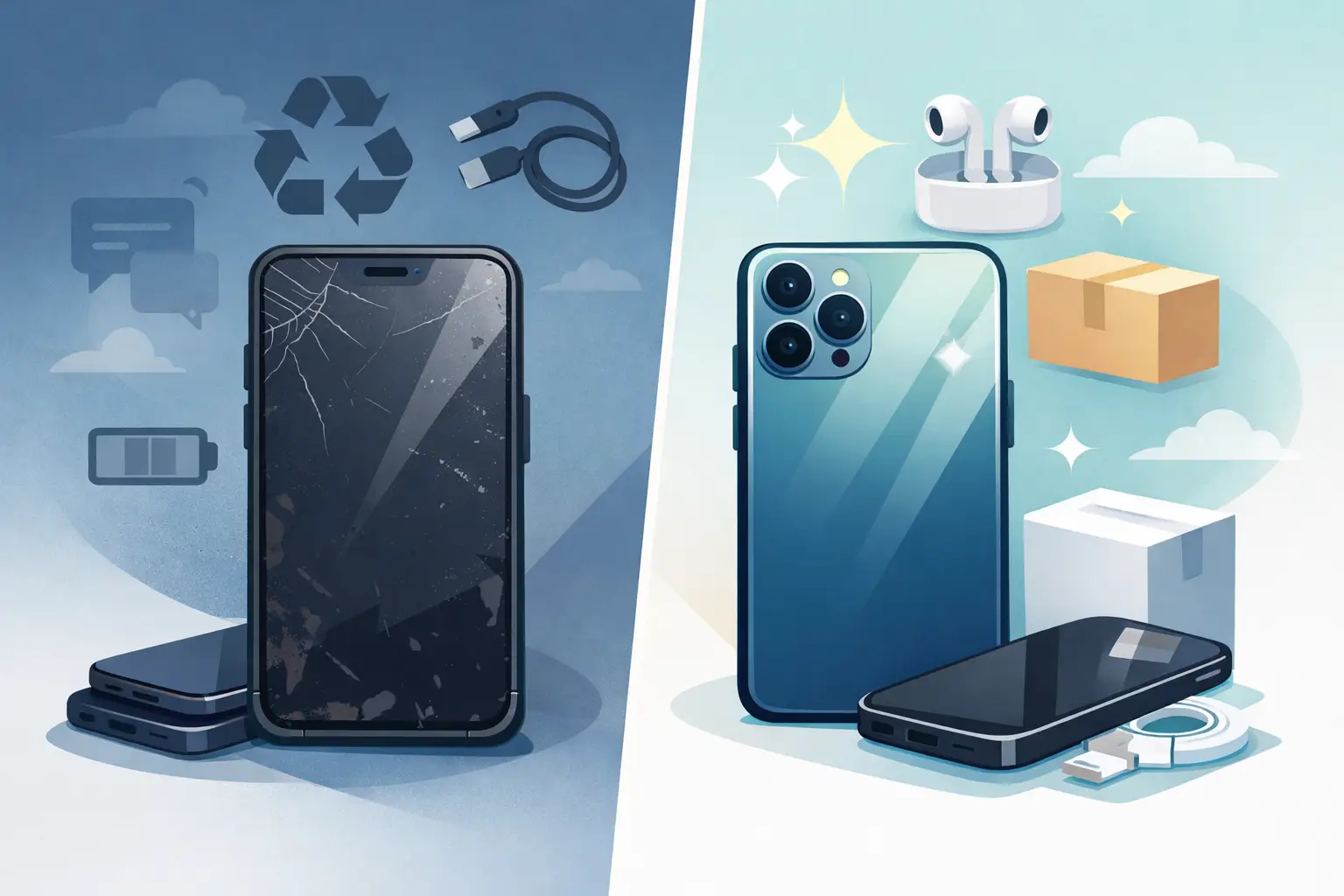
The biggest difference is simple. A new phone gives you the cleanest starting point. A used phone usually gives you more specs for less money.
If you buy new, you are paying for untouched condition, full battery health, standard manufacturer warranty, and the latest hardware cycle. If you buy used, you are usually paying less for a phone that may still perform very well, but condition, battery wear, and warranty coverage can vary.
That is why price alone should not decide it. A cheap used phone is not always better value than a discounted new mid-range model. At the same time, a brand-new flagship is not always the smartest buy if last year’s used premium device already covers your needs.
When a new phone makes more sense
A new phone is usually the safer choice if you want maximum peace of mind. You know the device history because there is no prior owner. You get full accessories based on the package, a fresh battery, and better odds of longer software support from the day you activate it.
This matters if you are planning to keep the phone for three to five years. A new battery starts stronger, and that affects day-to-day use more than many buyers expect. If you rely on your phone for work, frequent video calls, navigation, payments, and hotspot use, battery consistency can matter more than getting a lower purchase price.
New also makes sense if you are buying for someone else. A gift, a first phone for a child, or a work device for staff usually benefits from fewer unknowns. You are reducing chances of cosmetic complaints, battery questions, or hidden wear that becomes obvious later.
There is also a timing factor. Sometimes a new device on promotion lands very close to used pricing, especially in the mid-range category. In that case, paying a bit more for full warranty and fresh condition can be the better deal.
When a used phone is the smarter buy
Used phones shine when you care about value per dollar. That is especially true for buyers who want a higher-end model without paying flagship retail pricing.
A used premium phone from Apple or Samsung can often feel better in hand, perform faster, and shoot better photos than a brand-new budget model at the same price. That is where used can win clearly. Instead of stretching your money on entry-level hardware, you may be able to afford a former flagship with a better processor, display, and camera system.
Used also makes sense if you upgrade often. If you tend to change phones every year or two, buying new each time can be expensive. A well-priced used device lowers your upfront cost and can reduce depreciation pain when you resell or trade in later.
Students, secondary devices users, and buyers who mainly need messaging, streaming, social apps, and decent photos often do very well with used phones. They get recognizable brands and solid everyday performance without paying for features they may never fully use.
Price is not the whole value story
Most shoppers start with budget, which is fair. But the better way to compare used phone versus new phone is total value over time.
A new phone costs more upfront, but it may give you longer battery life, longer support, and fewer repair needs early on. A used phone costs less upfront, but if the battery is already worn or you need repairs sooner, the gap can shrink.
That does not mean used is risky by default. It means the condition check matters. If the device has been inspected properly, tested, and listed clearly, used can still be the stronger deal. The key is knowing what you are paying less for. Cosmetic wear is one thing. Reduced battery health or replaced parts are another.
Battery health can change the decision fast
Battery condition is one of the biggest reasons buyers regret used purchases. A phone can look clean and still have weak endurance.
That matters because battery wear affects daily use immediately. You notice it during commuting, gaming, video streaming, and long workdays. On paper, the phone may still be fast. In practice, poor battery life makes it frustrating.
If you are considering used, check battery condition carefully where that information is available. If battery details are unclear, ask. If you are buying in person, test charging behavior and general responsiveness. A good used phone should not feel unpredictable.
If battery life is a top priority and you hate charging anxiety, new usually has the edge.
Performance depends on the model, not just the age
A common mistake is assuming new always means faster. That is not true.
A used flagship from a recent generation can outperform a new budget phone in speed, camera processing, display quality, and build. That is why comparing by category matters more than comparing by new versus used alone.
For example, if your budget sits between a new lower-tier model and a used upper-tier one, think about what you care about most. If you want smoother multitasking, better photos, stronger speakers, and premium build quality, the used premium option may be the better fit. If you want clean condition, longer support life, and lower uncertainty, the new device may still be worth it.
Warranty, checks, and trust matter more with used
This is where many buying decisions are won or lost. A used phone should never be treated like a mystery box.
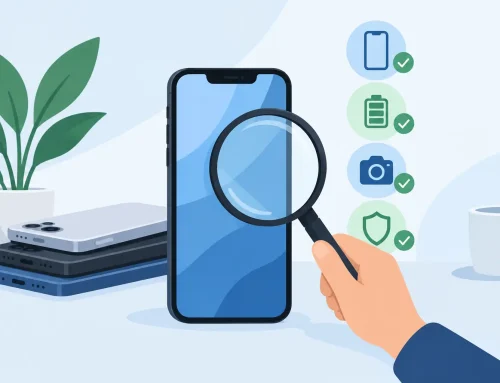
You want clarity on physical condition, screen condition, battery status where possible, connectivity, cameras, speakers, charging, and whether the device has been tested. If a seller cannot explain the condition clearly, the low price stops being attractive.
A reputable retailer makes used buying much safer because inspection and testing are part of the process. That is also why many buyers prefer seeing and testing a used device before committing. At Gadget Affair, that kind of straightforward, test-first buying process is exactly what gives used phones more appeal to cautious buyers.
With new phones, the trust question is simpler. You mainly need to confirm the model, storage, local set details, and warranty terms. With used, every condition detail carries more weight.
Who should buy used and who should buy new
If you are budget-conscious, know your preferred models, and are comfortable comparing condition and specs, used is often the stronger value move. It is especially good for buyers who want premium features without the premium launch price.
If you want the least hassle, full battery life from day one, and longer ownership without second-guessing, new is usually the better fit. It is also the better option if you are not interested in checking condition details closely.
There is also a middle ground. Some buyers should skip both extremes and look for recent-generation devices that are lightly used or discounted new. That is often where value gets very strong.
A simple way to decide
Ask yourself three questions. First, how long will you keep the phone? Second, which matters more to you: lowest price or lowest risk? Third, do you need premium features, or just reliable everyday performance?
If you plan to keep the device for years and rely on it heavily, new often earns the extra spend. If you want better specs for the money and are buying from a seller that checks and presents devices properly, used can be the smarter buy.
The best phone purchase is not the one with the biggest discount or the newest launch sticker. It is the one that matches your budget, your habits, and your tolerance for trade-offs. Buy with clear eyes, and either option can be a good deal.