That old phone in your drawer is probably worth more as trade-in credit than as clutter. If you are figuring out how to trade in old phone models without losing value, the process is simple – but the price you get depends on condition, timing, and where you trade it.
A lot of people make the same mistake. They wait too long, skip basic prep, or accept the first quote without checking what affects the offer. If your goal is to upgrade without overpaying, trading in your current device can lower your out-of-pocket cost and save you the trouble of selling it yourself.
How to trade in old phone models without wasting value
The basic idea is straightforward. A store checks your device, confirms the model and condition, and gives you a trade-in value. That amount is then used as credit toward another purchase, or in some cases offered as a direct buyback.
What changes the final amount is not just the brand or model. Storage size matters. Battery health can matter. Physical condition matters a lot. Whether the device is a local set, fully functional, and free from account locks also affects the quote.
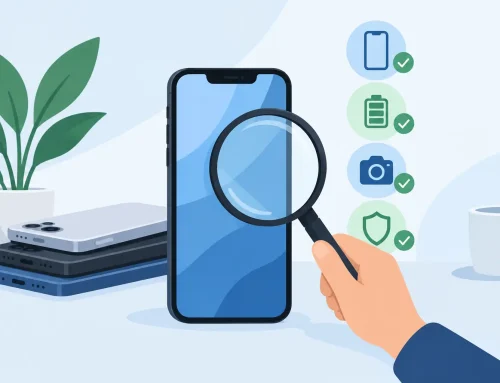
This is why two phones that look similar online can get very different offers in person. A clean device with working cameras, buttons, Face ID or fingerprint sensor, and original display will usually hold value better than one with hidden issues.
What determines your trade-in price
Start with the obvious: newer phones usually get better offers. An iPhone 14, Galaxy S23, or Pixel 8 will naturally have stronger resale demand than a much older model. But age is only one part of it.
Condition is where many trade-ins rise or fall. Light wear is normal. Deep scratches, dents, cracked glass, dead pixels, weak battery performance, or non-working parts can reduce value fast. If your phone has been repaired before, especially with third-party parts, that may also affect the offer.
Storage configuration can make a real difference too. A 256GB device usually trades better than a 128GB version of the same model, especially on phones people still want to use for a few more years. Color usually matters less, though certain popular finishes may move faster.
Then there is market timing. Trade-in values are often stronger before a model becomes too dated or right when people are actively upgrading. If a new launch has just pushed your device into the older generation category, quotes may soften.
Prepare your phone before you trade it in
If you want a fair deal, do a proper handover. This is where many people leave money on the table.
First, back up your data. Photos, messages, app data, contacts, and notes should all be saved before you do anything else. Once your phone is reset, that data may be gone for good.
Next, sign out of your accounts and remove activation locks. On iPhones, that means turning off Find My and signing out of your Apple ID. On Android phones, remove your Google account and any manufacturer account if required. A phone with activation lock still on is a problem. In many cases, it cannot be properly traded in until that is cleared.
After that, factory reset the device. This protects your privacy and makes it easier for the store to test the phone as a clean unit. Remove your SIM card too. If you use eSIM, make sure it is erased from the phone if needed.
A quick clean helps more than people think. You do not need to polish it like a display unit, but wiping the screen, edges, cameras, and charging port gives a better first impression and makes condition checks easier.
If you still have the box, cable, or original accessories, bring them along if the shop accepts complete sets. Not every buyer increases value for extras, but some do, especially if the package is easier to resell.
Should you repair the phone first?
Sometimes yes, sometimes no.
If the issue is minor and inexpensive to fix, like replacing a cheap screen protector or cleaning dirt from the speaker grille, it is worth doing. But if the repair is costly, the math gets tricky. Spending a large amount on a display, battery, or back glass does not always raise the trade-in value enough to justify the cost.
This depends on the model. A newer premium phone may benefit from repair because demand is still strong. An older mid-range device may not. In many cases, it makes more sense to get a quote first, then compare that against the cost of repair.
Be careful with unofficial repairs. A low-cost replacement screen may solve the damage, but it can also lower buyer confidence if brightness, touch response, or color looks off. For trade-in, clean functionality matters more than trying to make the phone look perfect on the cheap.
Trade-in vs selling it yourself
If you want the highest possible amount, selling your phone directly to another person may get you more. But that extra money comes with extra work.
You need to create a listing, answer messages, deal with lowball offers, arrange meetups, and handle the risk of no-shows or payment issues. Some buyers are easy. Some are a waste of time.
Trade-in is usually about convenience and speed. You get a quote, hand over the device, and move on with your upgrade. For many people, that is worth slightly less than private-sale pricing. If your schedule is packed or you want to avoid hassle, trade-in is often the better deal overall.
Where to trade in your old phone
You have a few options. Carrier programs can be convenient, especially during upgrade campaigns, but the best offers are sometimes tied to new plans or bill credits instead of immediate value. Brand trade-in programs can be useful too, though quotes may vary depending on the device and promotion period.
Independent phone retailers are often worth checking because they deal with both new and used devices every day. A shop that actively buys back phones and resells inspected stock usually has a clearer view of current market value. That can be helpful if you want a direct, practical assessment instead of a fixed online estimate that changes later.
If you are trading in and buying in one stop, it also helps to work with a retailer that can check your phone on the spot and let you compare replacement options right away. That makes the process faster and more predictable.
Questions to ask before you hand over your device
Do not be shy about asking how the quote is calculated. You should know whether the price is based on model, storage, condition, battery health, or current resale demand.
Ask whether the quote is final after inspection or just an estimate. Some places give a headline number online, then reduce it heavily when the phone is actually tested. It is better to know that upfront.
You should also confirm whether the offer is store credit only or if a direct cash buyback is available. Depending on your upgrade plan, one may be more useful than the other.
If you are trading in a used device toward another used phone, ask what checks were done on the replacement unit. That matters just as much as the value of the phone you are handing in. A fair trade is not only about price. It is also about getting a reliable device in return.
Common mistakes that lower trade-in value
The biggest one is waiting until the phone has obvious problems. A battery that drains too quickly, a screen with burn-in, loose charging port issues, or camera faults can turn a decent trade-in into a poor one.
Another mistake is forgetting account locks. If Find My iPhone or Google account protection is still active, the process can stall immediately. Even if the issue is easy to fix, it wastes time and may delay your upgrade.
People also overestimate cosmetic condition. What looks “almost new” to an owner may still count as moderate wear in resale terms. It is better to expect a realistic quote than assume every mark will be overlooked.
A smart trade-in is about timing and condition
If your phone still works well, has no major damage, and you were already planning to upgrade soon, this is usually the best window to act. The longer you hold it, the lower the trade-in value tends to go, especially once a new model makes yours less desirable.
For buyers who care about value, speed, and less hassle, trade-in is one of the simplest ways to stretch a phone budget. A reliable retailer can inspect your device properly, explain the offer clearly, and help you move into your next phone without wasting time.
If you are ready to upgrade, treat your current phone like an asset, not a backup that sits forgotten in a drawer. A fair trade at the right time can make your next purchase a lot easier.