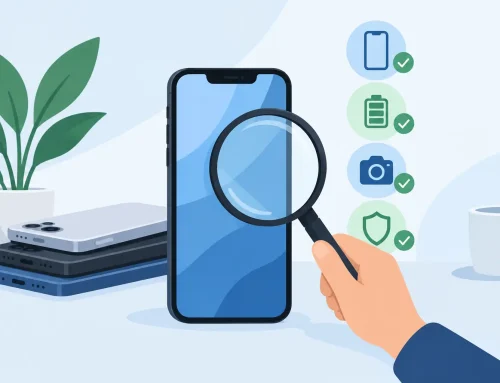
A used phone can save you a lot of money. It can also turn into a costly mistake fast if the device is locked, badly repaired, or carrying a weak battery that barely lasts half a day. If you want to know how to buy used phones safely, the key is simple – check the phone, check the seller, and never rush because the price looks good.
For most buyers, the real goal is not just getting the cheapest phone. It is getting a phone that still has strong daily performance, clean activation status, decent battery health, and no hidden issues that show up a week later. That is where a careful buying process matters.
How to buy used phones safely before you pay
Start with the basics. You need the exact model name, storage size, color, network status, and physical condition before you even compare prices. “iPhone 13” is not enough. An iPhone 13 with 128GB, battery health at 90%, and original parts is a very different deal from one with 82% battery health and a replaced display.
Price should make sense against condition. If the listing is far cheaper than similar units, there is usually a reason. Sometimes that reason is harmless, like cosmetic wear. Sometimes it is not, like a non-genuine screen, hidden motherboard repair, or account lock risk. Cheap is only a good deal when the device is still ready for daily use.
Ask direct questions early. Has the phone been repaired before? Is the battery original? Is Face ID, Touch ID, fingerprint unlock, or camera autofocus working properly? Is it a local set or an import set? A serious seller should be able to answer clearly without avoiding details.
Check the seller as closely as the phone
A lot of buyers focus on specs and forget the source. That is a mistake. A clean-looking phone from the wrong seller is still a risky purchase.
If you are buying from an individual, look for clear photos of the actual device, not stock images. See if the seller can show the screen on, battery health page if available, IMEI, and all sides of the phone. If replies are vague or inconsistent, walk away. A genuine seller usually wants a smooth deal and will not have trouble showing the basics.
If you are buying from a store, the standard should be higher. A proper retailer should already have checked the device, verified key functions, and made the condition clear. This is one reason many buyers prefer a used phone from a shop instead of a random meetup. You may not get the absolute lowest price, but you usually get more confidence, and that matters.
Verify the phone is not locked or blacklisted
This is one of the most important parts of how to buy used phones safely. A phone can look perfect and still be unusable if it has an activation lock, account lock, carrier lock, or blacklist issue.
For iPhones, make sure the previous owner has signed out of iCloud and that Activation Lock is off. If that is not cleared before purchase, you can end up with a phone you cannot activate properly. For Android phones, check that the Google account has been removed and the device is reset the right way.
You should also verify the IMEI. The IMEI shown in settings should match the IMEI on the SIM tray, box, or device label where applicable. If those numbers do not match, that is a red flag. A mismatch can point to parts swapping, a board replacement, or a more serious history.
Carrier status matters too. An unlocked phone gives you more flexibility. A carrier-locked phone may be fine if you know exactly what network it works with, but it should be priced accordingly. If the seller cannot explain this clearly, do not assume anything.
Inspect the physical condition properly
Cosmetic wear is normal on used phones. What matters is whether the wear is only cosmetic or a sign of impact damage.
Check the frame for dents, bends, and heavy corner damage. A scratched back panel is one thing. A bent frame is another. Frame damage can affect screen fit, waterproof sealing, and even internal components.
Look closely at the screen. Small hairline scratches are common and often acceptable. What you do not want are dead pixels, screen burn, touch issues, ghost touch, poor brightness, or signs that the display was replaced badly. On OLED phones, display quality matters a lot because replacement costs can be high.
Also inspect the camera lenses. Cracked lens glass, dust under the lens, or shaky image stabilization can affect photo quality more than people expect. A used phone is only a deal if the main features still perform properly.
Test the functions that matter every day
A proper hands-on test tells you more than a listing ever will. If possible, insert a SIM card, connect to Wi-Fi, open the camera, and test charging before making payment.
Make a quick checklist in your head. Test the touchscreen across the full display, front and rear cameras, speaker, earpiece, microphone, vibration, charging port, wireless charging if supported, buttons, and biometric unlock. Turn Bluetooth and Wi-Fi on. Check whether the phone detects a network normally. If the phone supports dual SIM or eSIM, confirm that too if it matters for your use.
Battery condition deserves special attention. Battery health is easy to check on iPhones, but on many Android phones you may need to judge by usage, charge speed, heat, and drain during testing. A used phone with poor battery life may still be worth buying, but only if the price reflects the likely replacement cost.
Ask about parts replacement and repair history
Not every repaired phone is bad. A properly replaced battery or screen can be perfectly acceptable. The problem is when repairs are hidden, low-quality, or done with poor parts.
Ask what was replaced, when it was replaced, and whether original parts were used. Some buyers are fine with aftermarket screens to save money. Others want original components for better brightness, touch response, or biometric compatibility. Neither approach is wrong, but you should know what you are paying for.
Water damage is different. Even if the phone works today, past liquid damage can lead to later issues with charging, cameras, Face ID, or motherboard stability. If a seller admits the phone had water damage before, treat that as a higher-risk purchase and expect a lower price.
Compare value, not just sticker price
A lot of buyers get stuck on the lowest number. That is understandable, but it can backfire.
A slightly more expensive used phone with verified battery condition, clean lock status, working biometrics, and store-tested functions is often better value than a cheaper device with unknown history. This is especially true for popular models from Apple, Samsung, Google, Xiaomi, and other major brands where replacement parts and repair quality vary a lot.
Storage also affects value more than many people expect. A 256GB model in clean condition may be a better buy than a cheaper 128GB unit if you plan to keep it for years. The same goes for RAM on Android phones. Saving a small amount upfront can feel less worthwhile if the phone becomes limiting too soon.
Buy where testing is possible
If you can test the phone in person, do it. It reduces guesswork and lets you confirm the condition yourself. This is one area where an established retailer has a clear advantage over a casual seller. Being able to inspect, power on, and test a phone before payment lowers the risk.
For buyers in Singapore, this is why many prefer stores that allow in-person checking and clearly state product condition. Gadget Affair, for example, focuses on inspected stock and in-store testing, which is useful if you want a straightforward purchase instead of gambling on a listing.
That said, online buying is not automatically unsafe. It just demands better photos, better communication, and clearer return terms. If the seller resists basic verification, that is your answer.
When to walk away
Sometimes the safest move is simply not to buy. Walk away if the seller rushes you, refuses testing, avoids sharing the IMEI, will not confirm lock status, or gives different answers each time you ask about repairs.
You should also walk away if the phone gets unusually hot during a short test, charges inconsistently, shows camera fogging, has weak speaker output, or restarts by itself. These problems can be expensive and hard to fix.
A used phone should save you money, not give you a repair project. The best deals usually look ordinary – fair price, clear condition, honest answers, and no drama. That is usually the right sign to trust.