You are comparing two phones that look almost identical. Same model, same storage, same color. Then you notice one line in the listing: local set. If you have ever wondered what does local set mean, the short answer is simple – it refers to a device that was officially meant for sale in your country through authorized distribution.
For phone buyers, that small label can affect warranty, network compatibility, software support, and after-sales service. It can also affect price. That is why it shows up so often in product listings, especially when you are comparing deals and trying to avoid surprises after purchase.
What does local set mean?
A local set is a phone, tablet, or wearable that was imported and distributed through the brand’s official channel for the local market. In practical terms, that usually means it was meant to be sold in that country from the start, with local warranty terms, approved network band support, and region-specific packaging or accessories.
When a seller says a device is a local set, they are usually telling you it is not a gray import or parallel import unit. It is an official market unit.
That sounds straightforward, but there is a catch. The exact meaning depends on the country where you are buying. In Singapore, for example, a local set usually means a Singapore-authorized unit. In the US, a local set would mean a unit officially intended for the US market. So the phrase always depends on the local market being discussed.
Local set vs import set
The easiest way to understand local set status is to compare it with an import set.
An import set is a genuine device that was originally intended for another country or region, then brought in for sale outside the official local channel. It is not automatically fake, defective, or low quality. In many cases, it is the exact same hardware family. But it may come with a different charger, different model number, different warranty coverage, or different supported bands.
That is where buyers get tripped up. They see a lower price and assume the only difference is where the box came from. Sometimes that is mostly true. Sometimes it is not.
A local set usually gives you fewer unknowns. An import set may save money upfront, but the trade-off can show up later if you need service, want specific network features, or care about local resale value.
Why local set matters when buying a phone
For most buyers, local set matters for four main reasons: warranty, compatibility, support, and resale.
Warranty is usually the first one. A local set often comes with official local warranty coverage, which means you can go through approved service channels in your country. An import set may have shop warranty instead, or warranty valid only in the original country of sale. That does not always make it a bad buy, but it does change the risk.
Compatibility is the second issue. Phones sold in different regions can support different 4G and 5G bands. They may also handle features like VoLTE, Wi-Fi calling, eSIM, or dual SIM differently. A local set is more likely to work as expected with local carriers right out of the box.
Support is where things get overlooked. Some region-specific devices get software updates on a different schedule. Others may come with preloaded apps, language defaults, or regional restrictions that are annoying rather than serious. Still, if you want the easiest ownership experience, local set is usually the safer option.
Resale matters too. Many buyers prefer a local set because it is easier to verify and often easier to resell later. If you trade in or sell your device in the future, local set status can make the listing more attractive.
Does local set mean better quality?
Not necessarily.
A local set does not automatically mean the phone is physically better made than an import set. If both are genuine units from the same brand, the core build quality may be very similar or even identical. The difference is usually not about hardware quality alone. It is about how well the device fits the local market and how easy it is to support after the sale.
So if you are asking whether local set means more reliable, the better answer is this: it often means more reliable to own, not always more reliable to manufacture.
That distinction matters. A cheaper import unit can still be a good deal if you know exactly what you are getting and the seller is clear about warranty and model details.
How to check if a phone is a local set
Do not rely on the product title alone. Ask for specifics.
Start with the model number. Brands often use slightly different model codes for different markets. That code can tell you whether the phone was intended for your region.
Then check the warranty terms. If the seller says local set, ask whether it comes with official local manufacturer warranty or store warranty. Those are not the same thing.
You should also confirm network support, especially for 5G. Most buyers assume any modern phone will fully support local carriers, but that is not always true. A phone can work fine for calls and data while still missing some bands or carrier features.
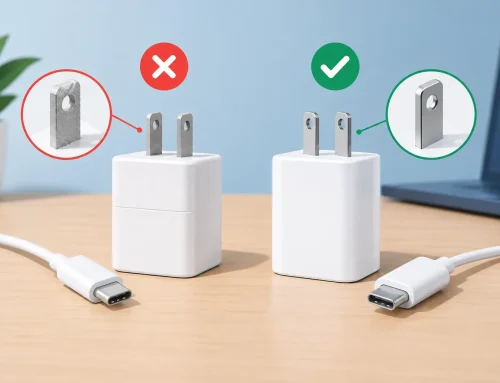
Packaging can provide clues too. Local sets may include locally approved plugs, regulatory labels, and region-appropriate printed materials. That said, packaging alone should not be your only test because boxes can vary by batch.
If you are buying used, ask whether the device was originally sold as a local set and whether there is proof of purchase. A used local set can still be a better buy than a used import set if condition and pricing are close.
Is a local set always the best choice?
Not for everyone.
If your priority is the lowest possible price and you are comfortable with shop warranty, an import set can make sense. This is especially true for buyers who upgrade often, rarely use official service centers, or know how to verify model compatibility before buying.
But if you want fewer issues, easier after-sales support, and stronger resale appeal, a local set is usually worth paying a bit more for. It is the safer choice for everyday buyers, students, working professionals, and anyone buying a main device they depend on every day.
This is even more relevant if you are buying a higher-priced flagship. The more you spend, the more valuable official support tends to be.
What does local set mean in used phone listings?
In used listings, local set usually means the phone was originally an official local-market unit when first sold. That can still be useful because it helps you understand the device background, expected compatibility, and possible warranty history.
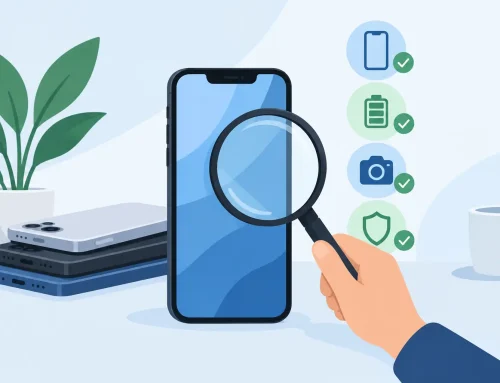
But with used devices, local set should never be the only thing you look at. Battery health, screen condition, repair history, water damage, and whether the phone has been opened matter just as much. A local set in poor condition is still a poor buy.
This is why serious buyers tend to look at the full picture: local set status, cosmetic condition, functional testing, and whether the seller has checked the device properly. If a store lets you inspect and test the phone before buying, that reduces risk more than a label alone.
Common misunderstandings about local set
One common mistake is thinking local set means carrier locked. Usually, it does not. Local set simply refers to the intended market channel, not necessarily whether the phone is locked to a network.
Another mistake is assuming all non-local sets are fake. That is also wrong. Many import sets are genuine products. The issue is not authenticity by default. The issue is whether support, compatibility, and warranty match your expectations.
Some buyers also assume local set means guaranteed better resale at any price. Not exactly. It helps, but pricing, condition, accessories, and battery health still drive the deal.
When the local set label is worth paying attention to
If you just want a phone that works properly in your market, gets local support, and is easier to live with, pay attention to the local set label. It is one of those small details that can save you time and money later.
If the listing is vague, ask questions before you buy. A trustworthy seller should be able to explain whether the device is a local set, what warranty applies, and what you can expect after purchase. That is especially important when comparing similar models with different prices.
The best deal is not always the cheapest one on the page. Sometimes the better value is the device with clearer origin, proper support, and fewer headaches once you start using it.