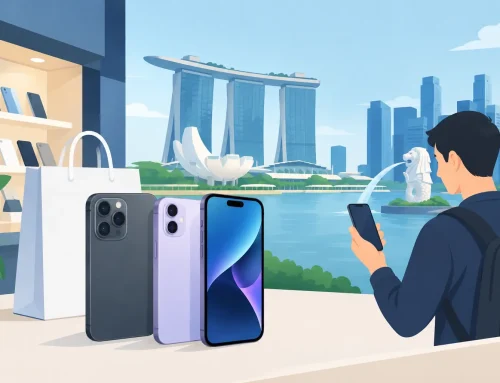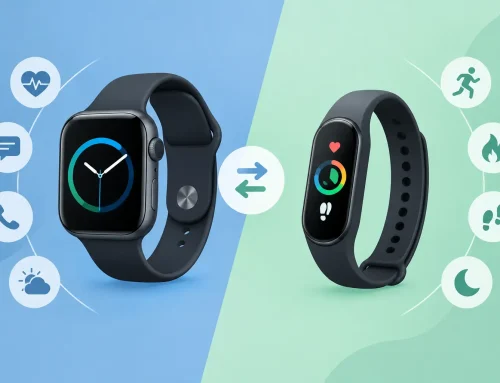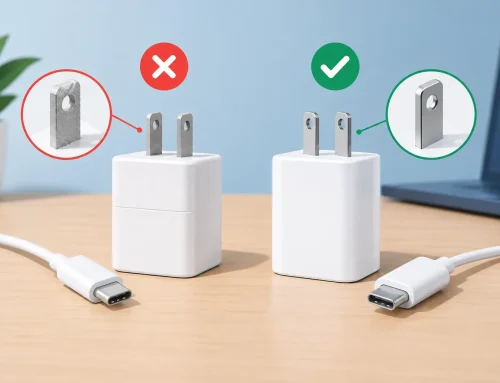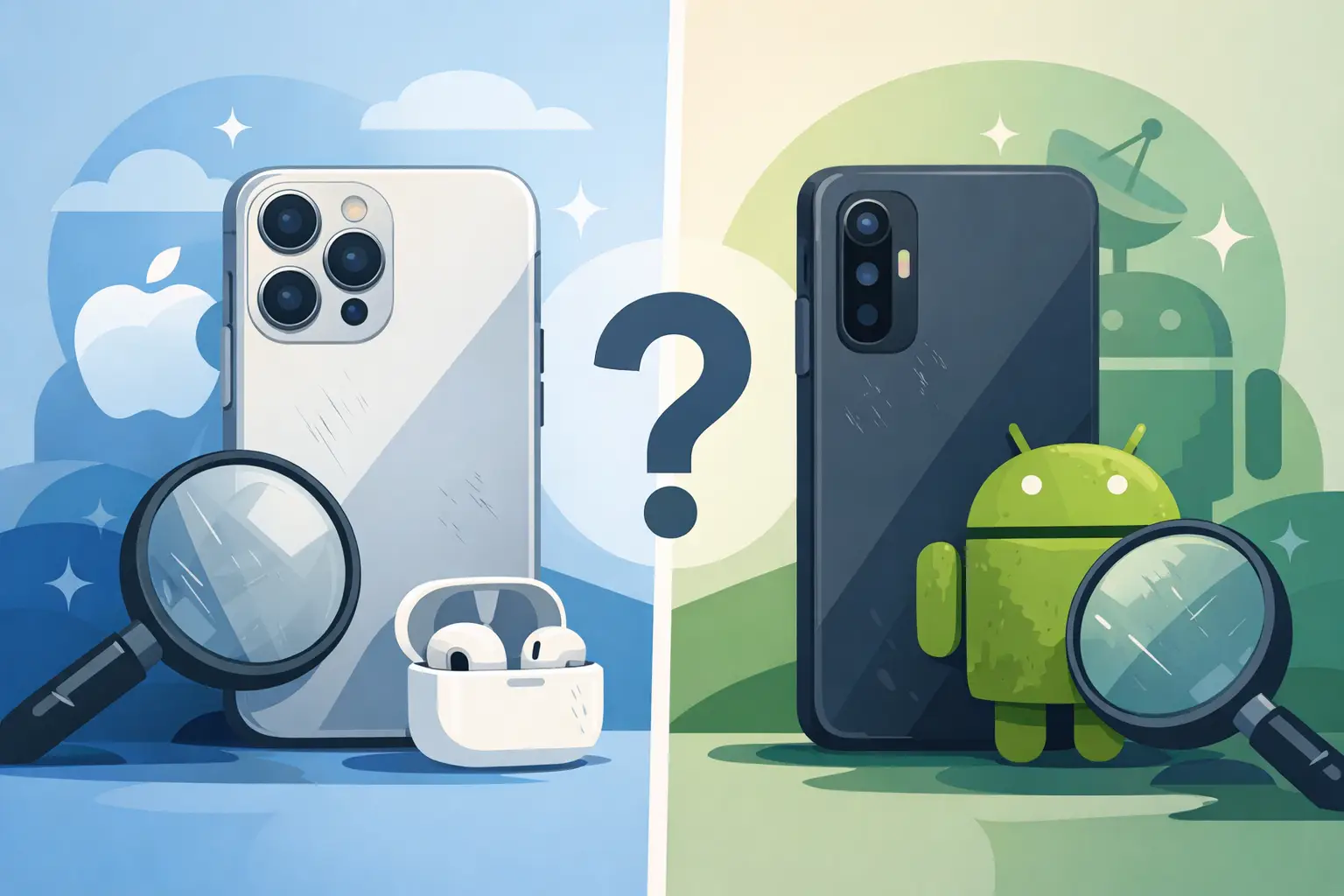
A cheap phone stops being a good deal the moment it gives you battery problems, poor updates, or hidden repair history. That is why the used iPhone or Android question is not really about brand loyalty. It is about what you need the phone to do, how long you want to keep it, and how much risk you are willing to take for the price.
For most buyers, there is no single correct answer. A used iPhone often makes sense if you want longer software support, strong resale value, and a simple buying decision. A used Android often makes more sense if you want more choice, lower entry prices, and better hardware value at the same budget. The right pick depends on where you are trying to save and where you do not want to compromise.
Used iPhone or Android: Start with your budget
If your budget is tight, Android usually gives you more room. In the used market, the same amount of money often gets you newer hardware specs on Android, such as more RAM, a higher refresh rate display, faster charging, or more storage. That matters if you care about day-to-day usability and do not want the phone to feel dated too quickly.
A used iPhone, on the other hand, usually holds its price better. That is good when you sell later, but it also means you pay more upfront for an older device. A three-year-old iPhone can still cost as much as a newer used Android with stronger specs on paper. Whether that premium is worth it depends on how much you value iOS, app optimization, and resale value.
For buyers shopping below the midrange, Android often wins on value. For buyers with a bit more flexibility, iPhone starts to look stronger because the gap in long-term support and resale becomes more meaningful.
Software support matters more in used phones
When you buy new, software support feels far away. When you buy used, it matters immediately.
Apple has a strong track record for supporting iPhones for years. That means a used iPhone that is already a few generations old may still receive major iOS updates and security patches. If you plan to keep the device for another two to three years, this can be a major advantage. It lowers the chance that your phone will feel obsolete too soon.
Android is more mixed. Some brands do a very good job with updates, while others are less consistent, especially on lower-cost models. A used Samsung or Google device may still offer decent support depending on the model year, but older budget Android phones can age out much faster. That does not always make them a bad buy. It just means you need to check the exact model, not only the brand.
This is one of the biggest reasons some buyers choose a used iPhone even when the hardware seems older. They are paying for a longer runway.
Price versus hardware value
This is where Android gets strong.
If you compare a used iPhone and Android at the same price, Android often gives you more hardware. You may get a bigger battery, more storage, an OLED display, better zoom options, or dual SIM support depending on the model. For practical buyers, that is hard to ignore.
The trade-off is that hardware value does not always equal better long-term experience. A used Android phone with strong specs can still feel like a shorter-term buy if the software support is ending soon or if spare parts and battery replacements are harder to sort out later.
A used iPhone usually gives less spec value on paper, but more predictability. Performance is often still smooth, app support is strong, and accessories are easy to find. If you want the safer, simpler option, that consistency has real value.
Used iPhone or Android for battery and condition
Battery health is one of the biggest factors in any used phone purchase.
With iPhone, battery health is easier to check directly in the settings on many models. That gives buyers a clearer picture of wear. If battery health is already low, you know from the start that replacement may be needed sooner rather than later. That kind of transparency helps.
On Android, battery condition is not always displayed as clearly, and it can vary by brand and model. Some used Android phones may look excellent externally but still have weaker battery performance from heavy use. This is why proper inspection matters more than assumptions.
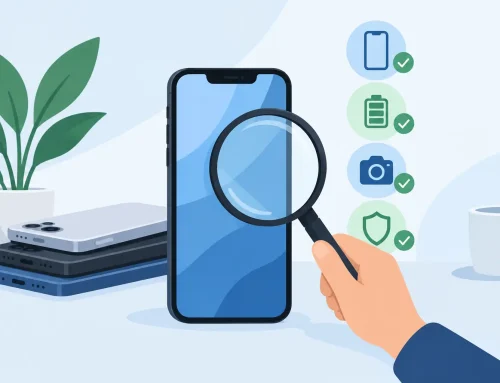
Condition also goes beyond scratches. You want to know whether Face ID or fingerprint unlock works properly, whether the screen is original, whether charging is stable, whether cameras focus correctly, and whether there are signs of prior repair. A well-checked used phone is usually better value than a cheaper unit with unclear history.
App experience and ecosystem
Some buyers already know what they want here. If you use a Mac, iPad, Apple Watch, or rely on iMessage and AirDrop, a used iPhone is usually the practical choice. You are not just buying a phone. You are keeping your current setup simple.
Android is better for flexibility. There are more form factors, more brands, and more feature combinations. If you want customization, faster charging, better multitasking on some devices, or features that Apple may not prioritize, Android gives you more variety.
This matters more than people admit. A phone is something you use every day. Saving money on the wrong operating system can become annoying fast.
Camera quality is not just about megapixels
Used buyers often compare cameras by numbers, but real-world results depend more on processing and consistency.
iPhones usually do well in this area. Even older models often deliver reliable photo and video quality, especially for social media, casual portraits, and everyday use. The camera experience is straightforward and usually consistent across apps.
Android is broader. Some used Android flagships can outperform older iPhones in zoom, low-light detail, or screen quality for media capture. But results vary a lot by model. A used flagship Android can be a camera bargain. A used lower-tier Android with a big megapixel count may not be.
If camera matters, compare exact models instead of choosing by operating system alone.
Repairs, parts, and resale
Used phones should also be judged by what happens after purchase.
iPhones generally have stronger resale value. If you upgrade often or think you may trade in later, that helps offset the higher purchase price. Buyers know the brand, demand stays steady, and pricing is easier to predict.
Android phones tend to depreciate faster, which is bad when selling but good when buying. That is why smart used buyers often get strong deals on Android. The downside is that resale later may be lower than expected, especially for lesser-known or older models.
Repairs depend on model and parts availability. Common devices from major brands are generally easier to support than obscure models. Still, the key point is simple: buy a used phone with clear condition checks now, and you reduce repair headaches later.
So which should you buy?
Buy a used iPhone if you want a safer long-term pick, stronger software support, better resale value, and a more predictable ownership experience. It is often the easier choice for buyers who do not want to research too much or who already use Apple products.
Buy a used Android if you want the most hardware for your money, more choices across brands and price points, and a better shot at finding a newer device within a limited budget. It is often the smarter value buy if you are comfortable comparing models carefully.
For students and everyday users, the answer is often budget first, then condition, then support life. For upgraders, it may be resale value first. For bargain hunters, Android usually opens more doors. For buyers who want the least hassle, iPhone often stays ahead.
A lot also depends on where you buy. In a used phone, the inspection process matters almost as much as the model itself. A properly tested device with clear condition details, working features, and honest grading is usually the better deal than a slightly cheaper phone with unanswered questions. That is one reason many buyers prefer to shop where they can inspect the unit, test it, and ask direct questions before paying.
If you are still deciding, stop asking which platform is better in general. Ask which phone gives you the best mix of condition, support, battery, and price for the amount you are spending. That is usually where the right answer shows up.