A phone that still turns on after five years is not necessarily a phone that has lasted well. If the battery drains by lunchtime, security updates have stopped, and storage is constantly full, it is time to replace it. For shoppers asking which phone brands last longest, the better question is which brands keep their phones useful, secure, repairable, and worth reselling for the longest time.
The short answer: Apple, Samsung, and Google are usually the safest long-term choices. But the right pick depends on your budget, whether you buy new or used, and how you use your phone every day.
Which phone brands last longest in real use?
Brand matters, but the specific model matters more. A higher-end phone from a dependable brand will usually age better than that brand’s lowest-cost model. Flagship and upper-midrange phones generally get stronger processors, better cameras, more storage options, tougher materials, and longer software support.
For most buyers, long life comes down to four things: software updates, battery health, repair availability, and performance headroom. A phone with a fast chip and enough storage may still feel good after four or five years. A cheaper model with limited memory can feel slow much sooner, even if the hardware is still physically intact.
Apple, Samsung, and Google lead because they have established update programs, widespread repair options, and strong resale demand. Xiaomi, OnePlus, Nothing, Oppo, Honor, and other value-focused brands can also be good buys, especially when the upfront price is lower. The trade-off is that update support, parts availability, and resale value may vary more by model and region.
Apple iPhone: the strongest all-around long-term bet
iPhones have a strong reputation for lasting because Apple supports older models with software updates for many years. This matters beyond getting new features. Ongoing security updates protect banking apps, payment services, and personal data, while newer app versions are more likely to keep working properly.
iPhones also hold their value well. If you upgrade after two or three years, an iPhone often has a better trade-in or resale price than many Android phones bought at a similar price. That can lower the real cost of owning it, even if the initial purchase price was higher.
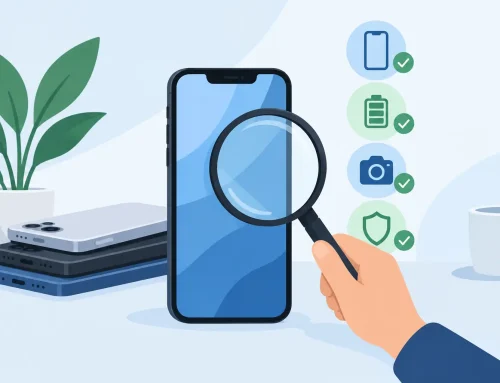
The main weakness is battery wear. Like every modern phone, an iPhone battery loses capacity over time, especially with frequent charging, heat exposure, and heavy gaming. The good news is that battery replacement can make a well-kept iPhone feel significantly newer. For buyers considering used phones, check battery health, storage capacity, Face ID function, camera performance, and whether the device is carrier-unlocked.
An older iPhone can still be a smart value purchase, but avoid going too far back just because the price looks attractive. A model with limited remaining software support can become a false economy.
Samsung: long support with more Android choice
Samsung is one of the best answers to which phone brands last longest for Android users. Its recent flagship Galaxy S models and selected Galaxy A-series phones receive long update commitments, making them practical choices for buyers who plan to keep a device for several years.
Samsung’s advantage is range. You can choose a premium Galaxy S or Galaxy Z device for top performance and cameras, or select a higher-spec Galaxy A model for a lower upfront cost. For long-term use, do not focus only on the lowest price. A model with more RAM and at least 128GB of storage will usually stay comfortable longer than a basic version with limited space.
Repair access is also a plus. Samsung devices are widely used, so cases, screen protectors, charging cables, and repair services are generally easier to find than for less common brands. Screens on premium Galaxy phones can be expensive to replace, however. A good case and screen protector are not glamorous purchases, but they can be the cheapest way to extend the life of your phone.
Foldable phones deserve extra consideration. They are improving quickly, but their moving screens and hinges create more potential wear points than a standard slab phone. Buy one for the large display and compact design, not because it is the safest choice for maximum durability.
Google Pixel: excellent software, with a few practical checks
Google Pixel phones are strong long-term options for buyers who want clean Android software, excellent photography, and long support on newer models. Google controls the Android experience closely on Pixel devices, so feature updates and security patches arrive directly rather than waiting for another manufacturer.
A Pixel is especially appealing if camera quality and smart software features matter more than gaming performance. Newer Pixel models have long support periods, which gives them a clear advantage over many older budget Android phones.
Before buying, consider local repair access and your preferred service options. Pixels are popular, but repair parts and same-day service can be less convenient in some areas than they are for iPhones or Samsung Galaxy phones. That does not make them a poor choice. It simply means a low-cost repair can be a bigger factor in long-term ownership than the brand name alone.
Value brands can last well, if you buy the right tier
Xiaomi, Poco, OnePlus, Nothing, Oppo, Honor, Realme, and similar brands often offer impressive specifications for the money. You may get a larger battery, faster charging, more storage, or a smoother display at a price where Apple, Samsung, and Google offer a more basic device.
The catch is not that value brands are automatically less reliable. Many are built well and can easily handle several years of normal use. The bigger differences are usually software support length, update timing, accessory availability, and used-market demand.
If you are shopping in this category, choose a recent model with enough memory and storage from day one. Look for at least 8GB of RAM if you multitask heavily, game, or plan to keep the phone for four years. Choose 256GB storage if you take lots of photos and videos and do not want to rely on cloud storage. A good processor and adequate storage often matter more to long-term speed than a headline-grabbing charging specification.
Nothing phones can be a sensible middle-ground option for buyers who want a different design and cleaner software feel without moving to flagship pricing. Xiaomi and Poco can offer strong value for performance-focused users. Oppo, Honor, and OnePlus may suit buyers looking for polished hardware and fast charging. Compare the exact model’s update promise before deciding.
What to check before buying a phone you want to keep
Do not judge longevity by the launch price alone. A discounted older flagship can be better than a brand-new entry-level model, but only if it still has meaningful software support remaining and its battery is in good condition.
When comparing phones, check these practical details:
- Software support remaining: A phone near the end of its update life may be cheap for a reason.
- Storage and RAM: More capacity helps the phone stay responsive and reduces the need to delete photos or apps.
- Battery condition: For used phones, battery health and charging behavior matter as much as cosmetic condition.
- Screen and frame condition: Cracks, deep dents, loose buttons, and display burn-in can lead to expensive repairs.
- Repair and accessory availability: Common models are easier and cheaper to protect and fix.
- Resale value: A phone with strong demand gives you more flexibility when it is time to trade in.
For a new phone, buy a protective case early and avoid regularly leaving it in hot cars or direct sun. Heat is one of the fastest ways to reduce battery health. For any phone, keeping some free storage space and installing updates can prevent slowdowns that make a device feel older than it is.
Buying used can extend your budget, not your risk
A checked used phone can be one of the best ways to get a longer-lasting device without paying full retail price. A two-year-old iPhone, Galaxy S model, or Pixel with good battery health and clean condition may offer better cameras, performance, and build quality than a similarly priced new budget phone.
The key is inspection. Confirm that the screen, cameras, speakers, microphones, charging port, buttons, biometric login, Wi-Fi, and cellular connection all work as expected. Check that the device is not activation-locked and that its storage size suits your needs. Buying from a seller that tests used stock and clearly states condition removes much of the uncertainty.
At Gadget Affair, buyers can compare new and inspected pre-owned devices across several brands, making it easier to balance price, condition, and how long the phone is likely to remain useful.
The longest-lasting phone is usually not the newest or most expensive one. It is the model with enough performance for your routine, years of support left, a healthy battery, and a price that still makes sense when you eventually trade it in.