A cracked screen does not automatically mean your phone is worthless. If you want to sell damaged phones Singapore, the key is knowing what damage affects resale value, what can still be accepted, and how to hand over the device safely. A phone with a visible crack, tired battery, weak speaker, or scratched frame may still have usable parts and real trade-in value.
The honest answer is that every device is assessed differently. A recent iPhone, Samsung Galaxy, Google Pixel, or Xiaomi phone with a broken display can still be worth more than an older model in perfect condition. Model, storage capacity, working features, repair history, and overall demand all matter.
What Counts as a Damaged Phone?
Damage is not limited to a shattered screen. Many phones still turn on and work normally but have issues that lower their resale value. Common examples include screen cracks, dead pixels, touch problems, battery health issues, damaged camera lenses, charging faults, speaker or microphone problems, water exposure, bent frames, and broken buttons.
Cosmetic wear is usually the least serious. Light scratches, small dents, or paint chips are expected on used devices and may only reduce the offer slightly. Functional faults matter more because they affect whether the phone can be resold as a working pre-owned device or needs repair and parts replacement first.
A phone that does not power on may still be worth selling. It could have a failed battery, charging port issue, damaged screen, or motherboard fault. The exact value will be lower because the buyer cannot fully test the unit immediately, but newer models and popular brands can still have demand for parts or repair.
What Determines Your Damaged Phone’s Value?
When selling a damaged phone, do not judge the offer by the damage alone. Two phones with the same cracked display can receive very different quotes.
The biggest factor is the exact model and configuration. A newer 512GB flagship generally holds more value than an entry-level model with the same fault. Storage matters, especially for iPhones and premium Android devices, because higher-capacity variants remain more useful to the next owner.
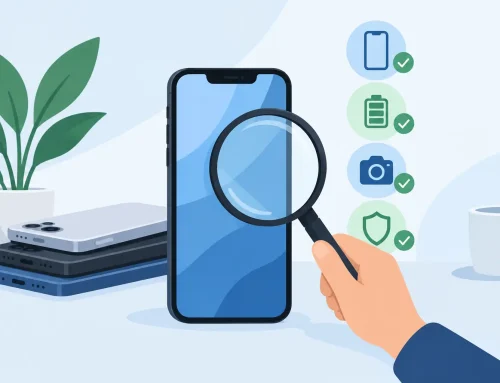
The next question is whether the device is usable. Can it turn on? Does the touchscreen respond? Can it charge? Are Face ID, fingerprint unlock, cameras, Wi-Fi, Bluetooth, SIM detection, speakers, and microphones working? A device with one isolated fault is easier to assess than one with several issues.
Originality also matters. A phone with an official display or battery may be valued differently from one repaired with aftermarket parts. That does not mean aftermarket repairs make a phone impossible to sell, but it is best to state them upfront. Clear information avoids wasted time and gives the buyer a fairer picture of the device.
Finally, account status can make or break a sale. A phone that is activation locked, Google locked, still tied to an unpaid installment plan, reported lost, or blocked by a carrier may have little to no resale value. Before bringing your phone in, make sure you are the rightful owner and can remove all account locks.
Before You Sell Damaged Phones in Singapore, Protect Your Data
A damaged phone can still hold your photos, banking apps, messages, saved passwords, and authentication codes. Even if the screen is broken, take data security seriously before selling or trading it in.
Start by backing up anything you need. For iPhone users, that may mean an iCloud backup or transferring data directly to a new device. Android users can back up through their Google account or a manufacturer backup tool. If the display is unreadable but the phone still works, a repair shop may be able to help you access the device long enough to back it up. Whether that is worth paying for depends on how important the data is.
After your backup is complete, sign out of your Apple ID, Google account, Samsung account, and any other manufacturer accounts. Disable Find My on an iPhone and remove Factory Reset Protection on Android. Then factory reset the device. A proper reset is essential because it protects your privacy and allows the buyer to test, repair, and prepare the phone for resale.
Remove your physical SIM card and any memory card. If you use an eSIM, transfer or remove the eSIM plan according to your carrier’s process before erasing the phone. Do not forget connected devices either. Unpair an Apple Watch, Bluetooth tracker, or smartwatch if it is still linked to the phone.
If the phone cannot be operated because of severe damage, tell the buyer before you visit. A professional assessment can still be possible, but you should not assume data removal can be completed without the passcode or account details.
Be Straight About the Condition
The quickest way to get an accurate quote is to describe the phone clearly. Saying it is “slightly damaged” when the screen flickers, the rear glass is broken, and Face ID does not work only creates a mismatch during inspection.
Mention the model, storage, color, whether it powers on, and the faults you know about. For example: iPhone 14 Pro 256GB, cracked front glass, display works, cameras work, battery drains quickly, Face ID working. That is far more useful than simply saying “iPhone with crack.”
If there has been water exposure, say so even if the phone currently works. Liquid damage can cause corrosion that appears later, which changes the repair risk. The same applies to phones that restart randomly, overheat, lose signal, or have been repaired multiple times.
Honesty is not just about being fair to the buyer. It saves you a trip, speeds up the assessment, and helps you decide whether the final offer is reasonable for the device’s actual condition.
Should You Repair It First or Sell It Damaged?
Repairing before selling can make sense, but only when the numbers work. A screen replacement may improve the sale price, yet it also costs money and can introduce questions about part quality. If you pay for a repair but the increase in trade-in value is small, selling the device as-is may be the better choice.
This is especially true for older models. Spending a large amount on a display, back glass, battery, or motherboard repair for a phone that has already dropped in market value may not be practical. Selling it damaged gives you a straightforward way to put some value toward your next device.
For newer, higher-value models, a simple repair can be worth considering if the rest of the phone is in excellent condition. Ask for a repair estimate and compare it with realistic resale value, not just the price of a similar phone listed online. Listings do not always reflect what buyers actually pay, and a fully working used device is not equivalent to one with unresolved faults.
Why a Physical Inspection Is Usually Needed
Photos help show cracks and dents, but they cannot confirm the full condition of a damaged phone. An in-person check lets the buyer test display responsiveness, cameras, charging, network connection, biometrics, battery behavior, account status, and signs of hidden damage.
That inspection protects both sides. You know why the quote is offered, and the buyer can avoid guessing about faults that may be expensive to repair. For a damaged device, a transparent assessment is more useful than an inflated online estimate that drops sharply when you arrive.
Bring the phone itself and, if available, proof of purchase. The box, cable, and accessories can be useful, but they are usually less important than the phone’s model, condition, and clean account status. Do not hold off on selling just because you no longer have the original packaging.
Turn an Old Faulty Phone Into Your Next Upgrade
A damaged phone is not always a write-off. It can reduce the cost of a replacement, clear out a drawer, and give a usable device or its parts a second life. Gadget Affair can assess eligible phones in person, so you can get a clear view of what your device is worth before deciding what to do next.
Before you head down, charge the phone if possible, back up your files, remove your accounts, and be ready to explain the faults plainly. That small bit of preparation makes the process faster and helps you move from a damaged device to your next phone with fewer surprises.