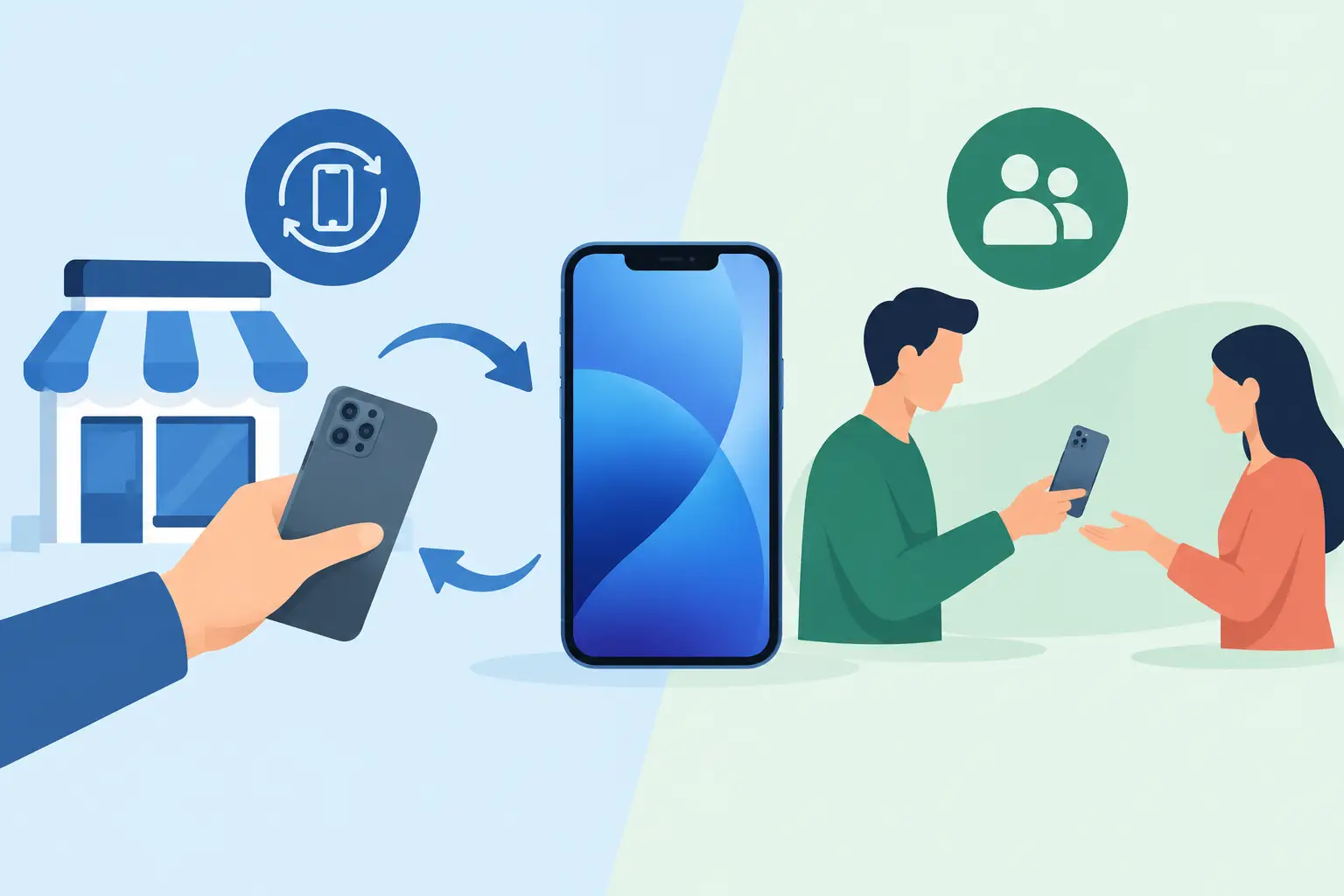
Your old phone can lower the cost of your next upgrade, but the phone tradein versus private sale decision is not only about the highest number on paper. A private buyer may pay more. A trade-in can save you time, reduce risk, and let you walk away with your next device sooner. The better option depends on your phone’s condition, how urgently you need to upgrade, and how much work you are willing to take on.
Phone Trade-In Versus Private Sale: The Real Difference
A trade-in is a direct transaction with a retailer or buy-back service. Your device is assessed, a value is offered based on its model and condition, and you receive cash, store credit, or an offset against another purchase. The process is designed for speed. If the quoted value is fair and you are already buying a replacement phone, it can be the cleanest route.
A private sale means you list the phone yourself and deal directly with individual buyers. You choose the asking price, take photos, answer messages, negotiate, arrange a meetup or delivery, and collect payment. You keep more control over the sale, but you also handle the admin and the risk.
The gap between the two is your payment for convenience. A private buyer is often willing to pay closer to current market value because they are buying for personal use. A retailer has to inspect the device, cover operating costs, offer some level of assurance to the next buyer, and account for the risk of resale. That is why a trade-in quote may be lower, even when it is reasonable.
When a Trade-In Makes More Sense
A trade-in is usually the stronger choice when time and certainty matter more than squeezing out every last dollar. If your current phone is still in good working condition and you want to upgrade this week, a verified buy-back process removes several steps from the equation.
It is also useful when you do not want strangers asking whether your “best price” is flexible at midnight, or backing out after you have reserved the device. With a trade-in, you know where to go, what will be checked, and whether the offer works for you. If it does not, you can simply keep the phone.
For many upgraders, the biggest benefit is timing. You can assess the old device and choose a new or pre-owned replacement in one visit. At Gadget Affair, customers can also view and test available used phones before deciding, which helps when you want to turn one working device into another without a long gap in between.
A trade-in can be especially practical if any of these apply:
- You need your replacement phone quickly for work, school, banking, or travel.
- You prefer a clear inspection and immediate value over listing and negotiating.
- Your device has cosmetic wear that could lead to arguments with private buyers.
- You are trading in multiple devices, such as older family phones or tablets.
- You would rather avoid arranging meetups and checking payment from unfamiliar buyers.
The key is to be realistic about condition. Light scratches, screen marks, dents, weak battery health, camera issues, repaired parts, missing accessories, or display defects can affect the quote. A reliable trade-in assessment should explain what is being evaluated instead of giving you a vague number with no basis.
When a Private Sale Is Worth the Extra Work
Private sale is often the better route for a popular, well-kept device. Recent iPhones, Samsung Galaxy models, Google Pixels, and other recognizable phones with good storage capacity tend to attract buyers when priced properly. If your phone is unlocked, fully functional, clean, and comes with its box or accessories, you may be able to earn a noticeably higher amount than a trade-in offer.
The upside is strongest when you can wait for the right buyer. A buyer shopping for that exact color, storage configuration, or local set may see more value in your phone than a general resale quote reflects. This is also true for models that are temporarily hard to find new.
But private-sale pricing has to match reality. Check what similar devices are actually selling for, not only the highest asking prices still sitting on a marketplace. Then price according to your phone’s real condition. Calling a phone “like new” when it has visible frame scratches or a battery warning may bring messages, but it will not create a smooth sale.
You should also factor in the hidden cost of selling yourself. A higher selling price is not automatically a better deal if you spend days replying to low offers, traveling across town, or dealing with a buyer who claims there is a problem after the handover. Your time has value too.
Condition Can Change the Math
The condition of your device matters in both options, but it plays out differently. A retailer follows a consistent inspection process. A private buyer may be more emotional or selective. One buyer may overlook a small scratch because the price is good, while another may use it to push for a steep discount.
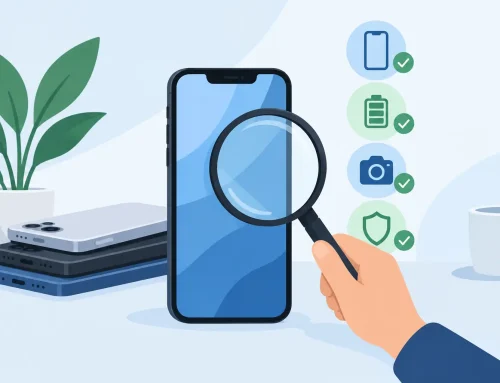
Before choosing either route, test the basics yourself. Check the screen for dead pixels, touch response, cameras, speakers, microphone, charging port, buttons, Face ID or fingerprint functions, Wi-Fi, Bluetooth, and mobile signal. Confirm the device is not locked to an account or blocked by an unpaid installment plan.
Battery condition deserves special attention. Buyers increasingly ask about battery health, particularly for older iPhones. A phone that lasts only a few hours may still sell, but it should be priced honestly. The same goes for replaced screens, third-party repairs, water exposure, and intermittent faults. Full disclosure protects your reputation and prevents a sale from turning into an unpleasant dispute.
Do Not Sell Your Data With the Phone
Whether you trade in or sell privately, prepare the device before handing it over. Back up the information you want to keep, including photos, messages, authenticator apps, and eSIM details. Transfer what you need to the new device first, if possible.
Then sign out of your cloud account, remove the SIM card, turn off device tracking and activation locks, and perform a factory reset. Do not hand over a phone that is still tied to your Apple ID, Google account, Samsung account, or other device protection service. A locked phone can lose most of its value and creates unnecessary trouble for everyone.
For a private sale, meet in a safe public place if you are meeting in person. Let the buyer test the phone, but keep control of the device until payment is confirmed in your own banking app. Do not rely on screenshots, emails, or messages claiming that a transfer is pending. If something feels rushed or suspicious, walk away.
A Simple Way to Decide
Choose a trade-in if the offer feels fair, you are ready to upgrade now, and convenience is your priority. It is the practical choice for busy users, phones with normal wear, and anyone who prefers a straightforward transaction.
Choose a private sale if your phone is in excellent condition, demand for the model is strong, and you are comfortable managing listings, questions, negotiation, and safe handover. The extra return can be worthwhile when the price difference is meaningful, not just a small amount.
There is no universal winner in phone tradein versus private sale. Get a realistic trade-in quote first, then compare it with what similar phones are truly selling for privately. If the difference barely covers your time and hassle, take the easy route. If your device is a clean, desirable model and the gap is substantial, a private sale may be worth the effort.
Your old phone still has value, but only if it is accurately assessed, safely reset, and sold through a method that fits your schedule. Pick the option that gives you a fair return without turning an upgrade into a second job.