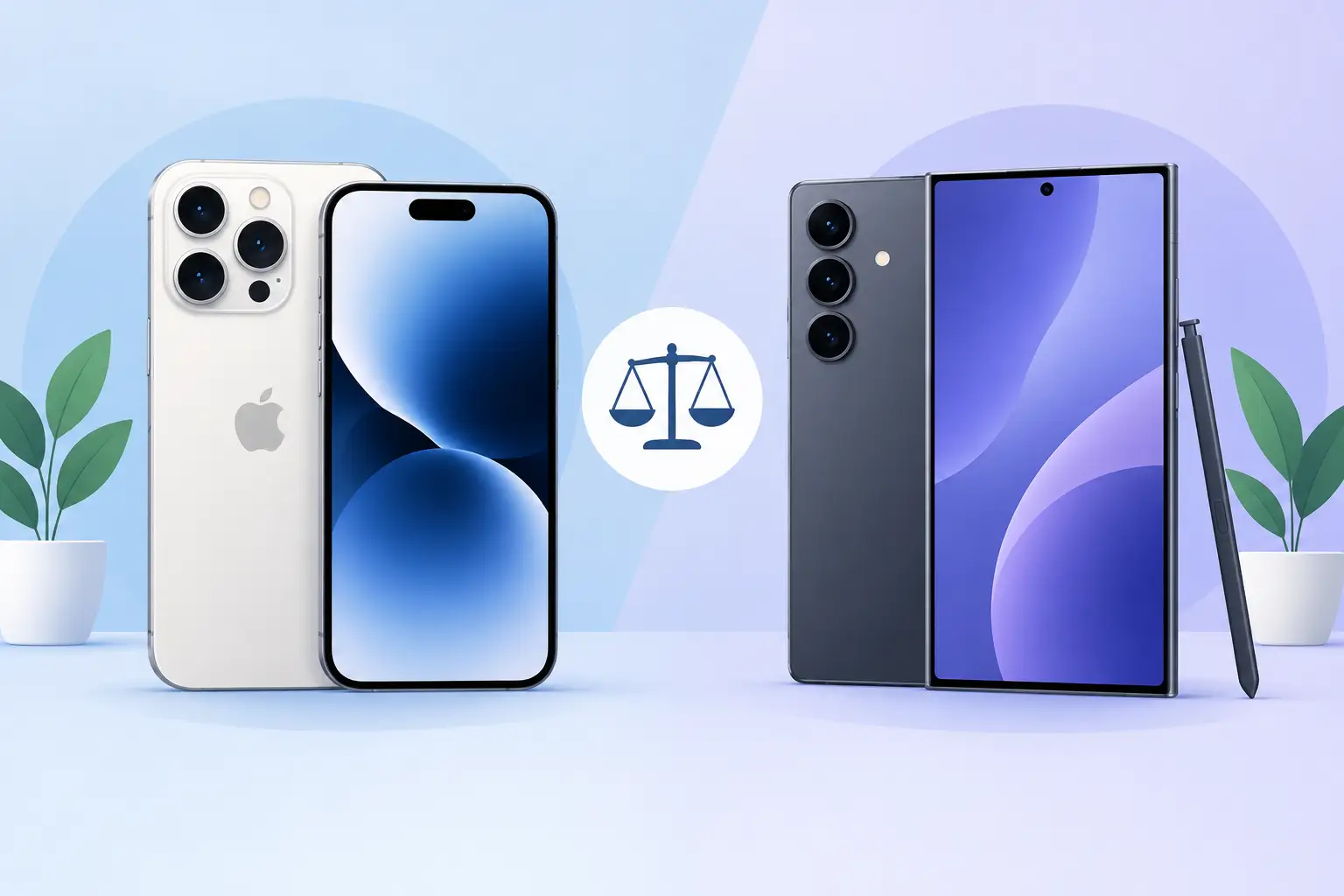
A phone upgrade gets expensive fast when you are comparing flagship prices, storage options, trade-in value, and monthly plans. The iPhone Samsung decision is not really about which logo looks better. It is about which device fits how you use your phone, what you are willing to spend, and how long you plan to keep it.
Both brands make excellent phones across different price ranges. Apple is usually the easier choice for people already using a Mac, iPad, Apple Watch, or AirPods. Samsung gives buyers more variety, from affordable Galaxy A-series models to high-end Galaxy S and foldable phones. Neither is automatically better for everyone.
iPhone Samsung Comparison: Start With Your Budget
Price is where the differences become obvious. iPhones generally keep a simpler lineup. You choose between a standard model, a larger Plus model where available, and Pro versions with upgraded cameras, displays, and performance. The entry price can still be high, especially when you move to larger storage capacities.
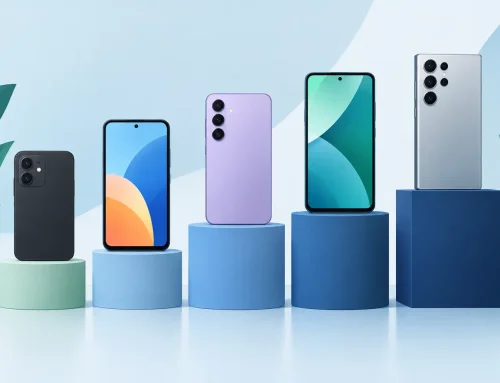
Samsung covers more ground. A Galaxy A-series phone can be a sensible choice if you want a large screen, dependable battery life, and everyday apps without paying flagship money. The Galaxy S series competes directly with iPhone Pro models, while Galaxy Z Fold and Z Flip devices are for buyers who specifically want a folding form factor.
For value-focused shoppers, the smartest comparison is often not a new iPhone versus a new Samsung flagship. It may be a verified pre-owned iPhone Pro versus a newer midrange Samsung, or a previous-generation Galaxy S model versus the current standard iPhone. Compare the actual storage, condition, battery health where relevant, warranty coverage, and final price instead of shopping by launch year alone.
New, Used, or Previous Generation?
A previous-generation flagship can still be a very good buy. You may get a brighter display, better camera hardware, and more premium materials than a brand-new lower-tier phone at a similar price. That said, condition matters greatly with used devices. Check for screen burn-in on OLED displays, camera focus issues, charging-port wear, speaker quality, frame damage, and whether Face ID or fingerprint authentication works properly.
If you are buying used, do not assume every device is equal because the model name is the same. A clear condition grade and the chance to test the device make the decision much safer. At Gadget Affair, customers can inspect and test pre-owned devices in store before deciding, which is useful when a few hundred dollars in savings are on the table.
Software: Simple Consistency or More Control?
Apple’s iOS is consistent and straightforward. Apps are tightly optimized, settings are generally easy to find, and software updates tend to reach supported iPhones at the same time. If you are moving from an older iPhone, the transfer process is familiar, and features such as iMessage, FaceTime, AirDrop, and iCloud can make daily use more convenient.
Samsung uses Android with One UI on top. It offers much more flexibility in how the phone looks and behaves. You can customize your home screen, use split-screen apps, change default apps more freely, manage files with less restriction, and tailor many small settings that iPhone users may never see. Samsung also has strong multitasking features, especially on larger Ultra and Fold models.
The trade-off is simple. iPhone is usually better for people who want a predictable, clean experience with minimal setup. Samsung suits people who like options, want a more personalized layout, or use their phone for work tasks that benefit from multitasking. Neither approach is wrong. It depends on whether you want your phone to stay out of the way or give you more controls to adjust.
Ecosystem Can Be the Deciding Factor
Your other devices matter more than many spec sheets suggest. An iPhone makes sense if your photos, notes, passwords, calls, and files already move between Apple devices. Apple Watch only works with iPhone, so that alone settles the question for some buyers.
Samsung works well with Galaxy Watches, Galaxy Buds, Galaxy tablets, Windows PCs, and SmartThings-compatible home products. Android also gives you a wider choice of watches and accessories across different brands. If you do not already own either ecosystem, do not buy based on ecosystem pressure alone. Choose the phone that meets your budget and daily needs first.
Cameras: Look Beyond the Megapixel Count
Both iPhone and Samsung flagships can take great photos. The difference is often in style rather than basic quality. iPhones are known for natural-looking video, reliable skin tones, and consistent results across apps. If you record a lot of short videos, take video calls, or post directly to social platforms, an iPhone is often the safer pick.
Samsung flagships usually offer more zoom flexibility, particularly on Ultra models. They can also produce punchier colors and more dramatic-looking images straight from the camera. That can be appealing for travel, concerts, food shots, and distant subjects. But stronger processing is not always more accurate, and results can vary in low light or with moving subjects.
Do not pay for a Pro or Ultra camera system if you mostly scan documents, photograph your pet, and take occasional family photos. A standard iPhone or a solid Galaxy A or Galaxy S model can do those jobs well. Spend more on camera hardware only if photography and video are a genuine part of how you use your phone.
Battery, Charging, and Everyday Convenience
Battery life depends on screen size, network signal, gaming, camera use, and battery age. Still, both brands offer phones that can comfortably get many users through a day. Larger models usually last longer, but they are heavier and less comfortable for one-handed use.
Samsung often has an advantage in charging flexibility. Many Galaxy phones support faster wired charging than iPhones, and some models offer reverse wireless charging for accessories. iPhone charging is improving, and wireless charging is convenient, but buyers who regularly need a quick power top-up may prefer Samsung’s faster charging options.
Accessories should be included in your budget. A quality case, screen protector, charging cable, and suitable power adapter protect the phone and reduce unpleasant surprises after purchase. For a used device, it is also worth checking whether the charging cable and adapter are included or need to be purchased separately.
Resale Value and Trade-In: The Cost You Recover Later
iPhones generally hold their resale value better than most Android phones. That does not mean every iPhone is a bargain, but it can reduce the real cost of ownership when you upgrade again in two or three years. A well-kept iPhone with decent storage and a healthy battery is often easier to resell or trade in.
Samsung phones can depreciate faster after launch, especially when big promotions arrive. That is a disadvantage if you buy brand-new at full price and upgrade often. On the other hand, it creates opportunities for shoppers looking at previous-generation or pre-owned Galaxy devices. The first owner takes the biggest price drop, while the next buyer may get premium features for less.
Keep the box, use a case, avoid unauthorized repairs, and look after battery health if resale value matters to you. Storage capacity also affects demand. A 256GB model may cost more upfront, but it can be worthwhile if you store lots of photos, videos, games, or work files.
Which One Should You Buy?
Choose an iPhone if you already use Apple devices, value straightforward software, want dependable video performance, or care strongly about resale value. It is also a sensible choice for users who want to keep their phone for several years without spending time tweaking settings.
Choose Samsung if you want more choices at different prices, prefer Android customization, need stronger zoom or faster charging, or want features such as split-screen multitasking and foldable displays. Samsung is particularly worth considering when you can find a good deal on a recent Galaxy S model.
Before you pay, compare the exact model, storage size, device condition, included accessories, and trade-in offer. The best phone is not the most expensive one on display. It is the one you will still be happy using after the excitement of upgrade day is gone.