A phone can lose a surprising amount of value in the few weeks after a new model lands. But age is only part of the picture. Current phone buyback trends show that condition, storage capacity, repair history, and local resale demand can matter just as much as the name on the back.
For anyone planning an upgrade, the practical question is not simply, “What did I pay for this phone?” It is, “What can this phone still offer its next owner?” That is what a realistic buyback quote is built around.
Phone Buyback Trends Are Moving Beyond Brand Name
Apple and Samsung flagships still tend to hold value better than many other devices, especially models from the last two or three years. They have broad demand, long software support, and an established market for pre-owned units. That does not mean other brands have no trade-in value. Xiaomi, Google, Oppo, Nothing, Honor, and value-focused Android models can be good buyback candidates when the model is recent, the storage is useful, and the device is in clean working order.
The bigger shift is that buyers are looking more closely at the complete device, not just its model number. A 256GB phone with a healthy battery, original parts, and a clean screen may attract more interest than a newer 128GB unit with a weak battery or a replacement display. Storage matters because apps, photos, games, and offline content take up more space than they did a few years ago. For popular models, higher-capacity versions often have a stronger resale advantage.
Demand also changes quickly. A model that is easy to resell this month may soften after a new launch, a major price promotion, or a flood of similar trade-ins. This is why two quotes for the same phone, given months apart, can look very different.
Condition Is Now the Real Price Divider
Most customers know that a cracked screen affects value. What can catch people out is how many smaller condition issues add up. A phone may power on and still need a lower quote if the cameras struggle to focus, the speaker sounds distorted, Face ID or fingerprint unlock does not work, or the charging port is loose.
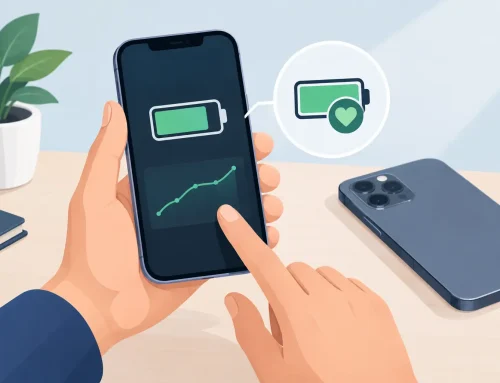
Battery health has become a major part of the conversation, particularly for iPhones and older premium Android devices. A phone with noticeably short battery life is less attractive to the next buyer because a battery replacement may be needed soon. The same applies to overheating, random restarts, ghost touches, screen burn-in, and weak mobile signal.
Repair history matters, too. A properly repaired phone can still be usable and sellable, but original components generally support stronger resale confidence. On some models, non-genuine displays or batteries can trigger warning messages, reduce water resistance, affect screen quality, or make future repairs harder. Being upfront about repairs is always better than hoping they will not be noticed during testing.
What a proper device check looks for
A fair assessment should go beyond a quick look at the screen. It should check the display, touch response, cameras, microphones, speakers, buttons, charging, biometric functions, connectivity, battery condition, and signs of damage or unauthorized parts. The phone should also be checked for activation locks, account locks, and blacklist issues.
That process protects both sides. You know why a quote is offered, and the next buyer gets a device that has been tested instead of a mystery unit with a nice-looking case.
The Best Time to Sell Is Usually Before a Launch
Waiting until the next phone is officially announced can cost you. Once a replacement model reaches stores, more people put their older devices up for sale at the same time. Supply rises, buyer attention shifts, and buyback prices commonly soften.
If you already know you are upgrading, getting a quote before the launch window is often the sensible move. This is especially true for flagship phones, where annual refresh cycles are predictable. It may be worth holding a phone a little longer if you need it as your daily device, but do not expect its value to stay flat while you wait.
There is a trade-off. Selling too early means you may need a temporary phone, while selling too late can mean a lower quote. The right timing depends on whether convenience or maximum value matters more to you.
Complete Sets Still Help, but They Are Not Everything
Original boxes, charging cables, and unused accessories can make a device easier to resell. They help verify the model and create a better experience for the next owner. For some premium devices, having the full set can support a stronger offer.
Still, the phone itself matters more than the packaging. A spotless, fully working phone without a box is normally a better buyback candidate than a boxed phone with screen damage, battery problems, or account restrictions. Do not delay selling just because you cannot find the original cable.
For foldables, smartwatches, tablets, and phones with specialized accessories, completeness can have a bigger impact. A missing stylus, damaged hinge, absent watch charger, or worn-out band may affect both buyer demand and the value offered.
Local Set Status and Network Compatibility Matter
Buyers want devices that work properly where they live. Local sets, supported network bands, eSIM capability, and warranty status can all influence demand. In Singapore, customers commonly look for clear information on whether a unit is a local set, its storage variant, and its physical condition before they commit.
Imported phones are not automatically a bad choice, but they may appeal to a narrower group of buyers if warranty coverage differs or certain network features are limited. The same is true for region-specific camera shutter behavior, dual-SIM configurations, or software differences. A transparent listing makes those differences manageable. A vague one makes buyers walk away.
Account Locks Can Turn a Good Phone Into a Problem
One of the most important phone buyback trends is the stronger focus on security checks. A phone must be properly signed out of its previous owner’s accounts before it can be safely transferred to someone else.
For iPhones, Find My and Activation Lock need to be removed. For Android phones, Google accounts and factory reset protection need to be cleared. If the device is still financed, reported lost, or blacklisted, it may not qualify for buyback at all. These are not minor admin details. They determine whether the device can be activated and resold legally.
Before handing over your device, back up what you need, sign out of your accounts, remove your SIM card or eSIM if appropriate, and factory reset the phone only after confirming your backup is complete. If you are unsure, ask for help before resetting. Losing photos or authentication-app access is far more frustrating than spending a few extra minutes preparing the device.
How to Get a Cleaner, Faster Quote
You do not need to spend money restoring every old phone before requesting a buyback. In some cases, a repair costs more than the extra value it creates. A badly cracked display on an older budget model, for example, may not be worth replacing purely to improve a trade-in quote.
What does help is presenting the phone honestly and in a testable state. Charge it, remove the case, clean the screen, bring any key accessories, and know the exact model and storage capacity. Mention known faults upfront. A transparent description avoids wasted time and makes the final assessment more predictable.
At Gadget Affair, customers can bring in eligible devices for an in-person evaluation rather than guessing from marketplace listings. That is useful when a phone has minor wear but is otherwise fully functional, because condition can be assessed properly instead of judged from a few photos.
A good buyback is not about chasing an unrealistic number. It is about receiving a clear offer for the phone you actually have, then putting that value toward the next device with no awkward surprises.