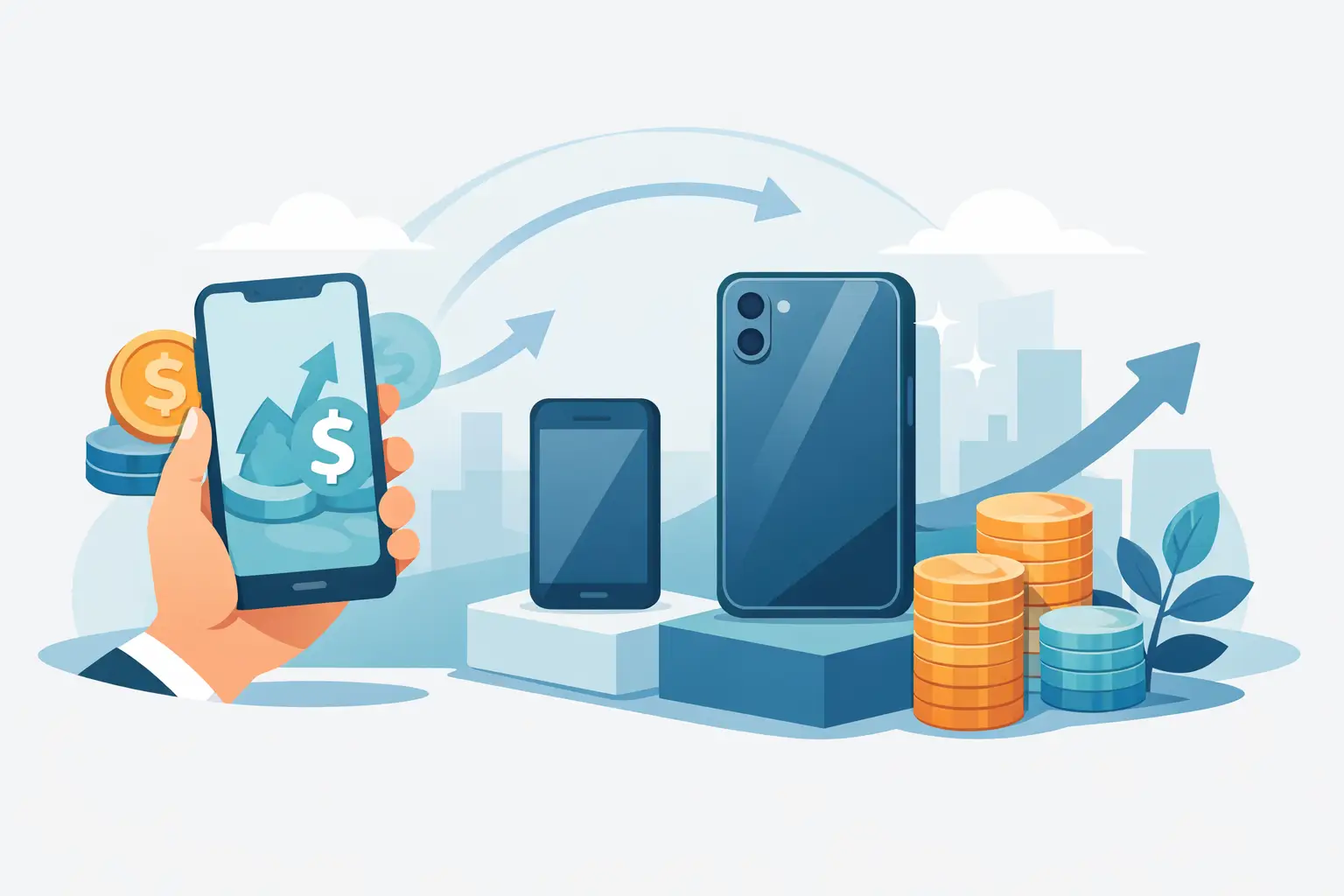
That old phone in your drawer is not just clutter. If you want to buy back phones for cash or trade-in value, timing, condition, and a few basic checks can make a real difference in what you get.
A lot of people wait too long. They upgrade, move the old device aside, and assume they will deal with it later. The problem is that used phone prices usually fall faster than most accessories, tablets, or wearables. A phone that still has solid resale value today can lose a noticeable amount after the next major launch cycle, battery drop, or network shift.
If your goal is simple – get a fair offer, avoid hassle, and move on quickly – it helps to know how phone buy-back works before you hand over your device.
How buy back phones services usually work
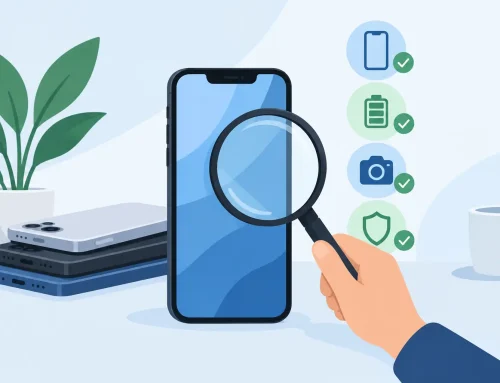
A buy-back service is straightforward. A shop or reseller checks your phone model, storage, condition, battery health, network status, and whether the device is fully functional. Based on those details, they make an offer. You either accept it for cash or use the value toward another purchase.
That sounds simple because, in most cases, it is. Where people get confused is value. Two phones with the same model number can get very different offers. A clean device with strong battery health, no screen burn, and no repair history will usually hold value better than one with cosmetic wear, replaced parts, or activation issues.
This is why serious buyers do not just look at the brand name. They look at actual resale readiness. An iPhone 13 with 256GB storage in clean condition is not priced the same as an iPhone 13 with a weak battery, deep frame dents, and Face ID issues. The same goes for Samsung Galaxy, Google Pixel, Xiaomi, Oppo, and other Android models.
What affects the value when you buy back phones
The biggest factor is usually model demand. Popular iPhones and Samsung models tend to move faster in the resale market, which can support stronger buy-back pricing. Mid-range Android phones can still have value, but pricing depends more on condition, age, and local demand.
Storage matters more than many sellers expect. A 256GB version may get a better offer than a 128GB version, but not always enough to match the original retail price gap. Resale value is based on what the next buyer is willing to pay, not what you paid on launch day.
Condition is the next major factor. Light wear is normal. Cracked screens, dead pixels, camera issues, speaker faults, charging port problems, and swollen batteries are not. Even if the phone still powers on, defects reduce resale value because the buyer taking in the device also takes on repair risk.
Battery health can also change the offer, especially on iPhones where battery percentage is easy to check. If the battery is well below normal service levels, the phone may still be accepted, but the offer may be adjusted.
Then there is lock status. If the phone is iCloud locked, Google locked, blacklisted, or still tied to unpaid installments, most legitimate buyers will either reject it or quote very low because it cannot be resold normally.
Why some phones get better offers than others
Not every used device is equally easy to resell. That is the real reason pricing varies.
A phone with strong market demand, complete functions, and clean cosmetics can go back into circulation quickly. That makes it a lower-risk purchase for the shop and a better-value device for the next customer. A phone with uncertain repair history or poor battery life takes more time to inspect, prep, and sell.
There is also a difference between older flagship phones and cheaper entry-level models. An older flagship often retains better resale appeal because the performance, display quality, and cameras are still competitive for secondhand buyers. A low-cost budget phone may have started at a lower price and simply has less room to retain value over time.
That is why two-year-old premium models sometimes outperform newer budget devices in the used market.
How to prepare your phone before selling it
If you want the best result, spend a few minutes preparing the device properly. This is one of the few parts you can control.
Start with your data. Back up photos, contacts, messages, app data, and anything else you want to keep. After that, sign out of all accounts, turn off device tracking features such as Find My iPhone or Google device protection, remove eSIMs if applicable, and perform a full factory reset.
Clean the phone carefully. You do not need to make it look brand new, but fingerprints, dust in the speaker grills, and a dirty case do not help. Presentation matters because it supports the impression that the device was looked after.
If you still have the box, charging cable, or original accessories, bring them along if asked. They do not always transform the offer, but they can help complete the package. More importantly, be honest about repairs, part replacements, or known issues. A proper inspection will usually find them anyway.
Sell for cash or trade in for your next device?
This depends on what you need.
If your priority is immediate money back, a straight sale is usually the cleanest option. You hand over the device, the phone is checked, the offer is made, and the transaction is done. This works well if you already bought your next phone elsewhere or if you simply want to clear out unused devices.
If you are upgrading, trade-in can be more practical. It reduces the amount you need to pay upfront and makes the switch faster. For many buyers, convenience is worth as much as squeezing out every last dollar from a private sale.
Private selling can sometimes produce a higher number on paper, but it comes with trade-offs. You have to create listings, answer messages, deal with lowball offers, arrange meetups, and handle payment risks. For some people that is fine. For others, it is not worth the extra time.
A buy-back service usually makes more sense when you want speed, a direct inspection process, and less uncertainty.
When is the best time to buy back phones
Sooner is usually better, especially if the phone is still in good condition.
Prices often soften after major new releases because older models suddenly face more competition in both new and used channels. If your phone is one generation behind and still desirable, selling before or shortly after the next release cycle can help protect value.
Battery condition also matters over time. A phone that works perfectly now may be worth less six months later if battery health drops, the display develops issues, or wear becomes more obvious. Holding onto a spare device only makes sense if you actually need it as a backup.
If it has been sitting untouched for months, that is usually your sign.
Common mistakes sellers make
The biggest mistake is assuming all phones of the same model are worth the same amount. They are not. Condition, battery, lock status, and market demand all matter.
The second mistake is forgetting account removal. Sellers factory reset the phone but leave activation locks in place. That slows everything down and can stop the sale completely.
Another common problem is unrealistic price expectations. The resale market does not follow launch pricing. It follows current demand, current stock levels, and the actual condition of the device in front of the buyer.
Finally, some people delay too long while trying to get a perfect offer. In many cases, waiting costs more than the small difference between one reasonable quote and another.
What to look for in a phone buy-back shop
Trust matters more than hype. You want a shop that checks devices properly, explains what affects the quote, and gives you a clear process. The offer does not have to be the highest possible in every case, but it should make sense based on the phone’s condition and resale potential.
It also helps if the business already handles both new and used devices. That usually means they understand current market movement, storage variants, model demand, and what buyers actually want. If they inspect carefully and move stock regularly, pricing tends to be more grounded in real demand instead of guesswork.
For sellers in Singapore who want a direct and practical option, Gadget Affair fits that approach. It focuses on everyday devices, fair value, and quick transactions rather than making the process feel complicated.
A good buy-back experience should feel simple. Know your phone’s condition, clear your data, bring realistic expectations, and act before the device gets too old to matter. The best time to sell is usually when your phone still has clear value to the next buyer.