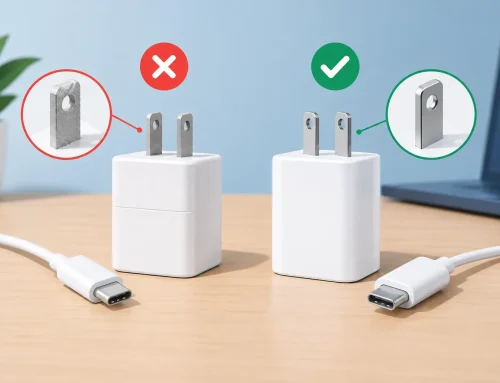
Price tags can look similar until one small detail changes the whole deal – local set status. If you are comparing local set smartphone deals, that detail matters because it affects warranty support, network compatibility, resale value, and how straightforward the buying process will be.
For many buyers in Singapore, a good phone deal is not just about getting the lowest number on the screen. It is about getting a device that is ready to use, easy to verify, and backed by support that makes sense locally. That is where local set phones usually stand out, especially when you are choosing between brand-new units, sale items, and inspected used stock.
What local set smartphone deals really mean
A local set smartphone is generally a unit intended for the Singapore market. That usually means the device packaging, warranty route, charger setup, software support, and network compatibility are aligned with local expectations. It sounds basic, but this is often the difference between a smooth purchase and a frustrating one.
When shoppers compare prices online, they sometimes see a cheaper unit and assume it is the better buy. Sometimes it is. Sometimes the lower price comes with trade-offs such as a different warranty channel, region-specific software behavior, or less clarity on what exactly is included in the box. A local set deal is usually more appealing when you want fewer questions after checkout.
This matters even more if you change phones often. Buyers who upgrade every year or two tend to care about resale value, and local set units are often easier to explain and sell later. A buyer looking at your used phone will usually feel more confident if the origin and support path are clear.
Why local set smartphone deals appeal to practical buyers
Most customers shopping this category are not trying to make a hobby out of buying a phone. They want a fair price, known condition, and a simple answer to the question, “If something goes wrong, what happens next?” Local set phones help with that.
The first advantage is support clarity. If the device is intended for local sale, there is usually less guesswork around warranty handling and service expectations. That does not mean every local set deal is automatically the best one, but it does remove a lot of friction.
The second advantage is compatibility confidence. Singapore buyers want devices that work properly with local networks and day-to-day usage. Most major brands are already good here, but local market units reduce the chance of odd gaps in supported features or setup differences.
The third advantage is easier comparison. When a listing clearly shows brand, storage, RAM, local set status, and condition, you can compare offers faster. That is especially useful when you are choosing between a new mid-range model and a used flagship that landed at a similar price.
Where the real value is in local set deals
The best deal is not always in the newest launch. In many cases, value sits one level below the headline model. A previous-generation iPhone, Samsung Galaxy, Google Pixel, Xiaomi, Oppo, or Nothing phone can be the smarter buy if the price gap is big enough and the condition is clear.
This is where local set smartphone deals become more interesting than a simple discount banner. You are not only comparing brands. You are comparing timing, storage variants, and whether buying new or used gives you more for your budget.
A student may get better value from a local set mid-range Android device with strong battery life and enough storage for daily apps, photos, and school use. A young professional might prefer an older flagship because the camera, display, and performance still feel premium while the price has dropped to a more reasonable level. Someone replacing a damaged phone may just want ready stock today, not a preorder or a complicated import arrangement.
In each case, local set status adds confidence, but the value depends on the full package. Price matters, but so do battery health, physical condition, included accessories, and whether the device has been properly checked.
New vs used local set smartphone deals
There is no one right answer here. It depends on your budget and how much risk you are willing to take.
A new local set phone is the easier choice if you want untouched condition, cleaner warranty expectations, and the latest battery life. It is also the better fit for buyers who keep a phone for several years. Paying more upfront can make sense if it reduces the need for replacement or repair later.
A used local set phone can be the better value play if the inspection is thorough and the listing is transparent. This is especially true for higher-end models that depreciate quickly after launch. If a phone has been checked properly and you can review its condition before buying, the savings can be substantial without feeling like a gamble.
The trade-off is simple. New gives you more certainty. Used gives you more specs per dollar. The smarter option depends on whether you care more about long-term freshness or immediate value.
How to judge a deal without getting distracted by the sticker price
A cheap phone is not automatically a good buy. The better approach is to check what you are actually paying for.
Start with the basics: brand, model, storage, RAM, and local set status. Then look at condition and support. On used devices, inspection quality matters a lot. A listing should make it clear whether the unit has been checked and whether you can test it in person. That last point is underrated. Being able to see and handle the phone reduces purchase anxiety fast.
You should also think about your own usage before chasing extra specs. Many buyers overspend on performance they will never use. If your routine is messaging, video, payments, social apps, and casual photos, a good mid-range local set phone can be enough. If you edit content, game heavily, or need stronger cameras, stretching for an older flagship may be smarter than buying a current entry-level model.
Timing also changes the deal. Sale periods, trade-in opportunities, and stock rotation can all create price drops. Retailers that handle both new and used inventory often have more flexibility here because they are not relying on one type of buyer. A customer trading in an old device can reduce the final cash outlay, which can turn a decent deal into a very good one.
What to ask before buying
A serious buyer usually asks a few direct questions. Is the phone a local set? Is it new or used? If used, what has been tested? What is the cosmetic condition? What accessories are included? Is the listed storage the exact variant in stock?
These are not fussy questions. They are the questions that prevent disappointment.
If you are buying used, ask whether you can inspect the device before committing. If you are buying new, ask whether the exact color and storage combination is available now. A deal is only useful if the unit you want is actually ready for purchase.
For buyers comparing multiple brands, it also helps to ask which models are currently offering the strongest value at your budget. A dependable retailer will usually point you toward the models that make practical sense, not just the most expensive one on the shelf.
Why local availability still matters
Fast delivery sounds good until you need help after the sale. Local stock matters because it shortens the gap between browsing and owning, and it makes after-sales questions easier to handle. If you need a phone urgently, ready stock is part of the deal.
This is one reason neighborhood retailers still matter even when shoppers compare everything online first. You can check specifications online, compare pricing, and narrow down your shortlist, but local availability gives you one more thing that screenshots cannot – certainty.
At a shop like Gadget Affair, that practical side is the point. Buyers looking at local set deals are usually not chasing hype. They want a phone that is available, fairly priced, and clearly presented, whether it is a new release, a discounted model, or a tested pre-owned unit.
The smart way to shop local set smartphone deals
If you want the best result, do not start by asking which phone is cheapest. Start by setting your budget, your must-have storage, and whether you are open to used devices. Then compare local set options across a few brands instead of locking into one name too early.
That simple shift usually improves the outcome. It opens up more value, especially in the mid-range and previous-generation flagship categories. It also keeps you focused on what matters in real use: reliability, battery life, camera consistency, and whether the phone is actually worth the money today.
A good phone deal should feel straightforward. When the listing is clear, the unit is ready, and the support path makes sense locally, you spend less time second-guessing and more time buying the device that fits your needs.