A prepaid line is simple until you run out of data before payday, a payment does not go through, or your number is close to expiring. This guide to prepaid mobile top ups helps you add credit with less guesswork, choose the right top-up amount, and avoid paying for a plan that does not match how you actually use your phone.
Prepaid works well when you want control. There is no long contract, no surprise bill at the end of the month, and no need to pay for more data than you need. The trade-off is that you need to keep an eye on your balance, data allowance, and validity period yourself.
What a prepaid mobile top up actually does
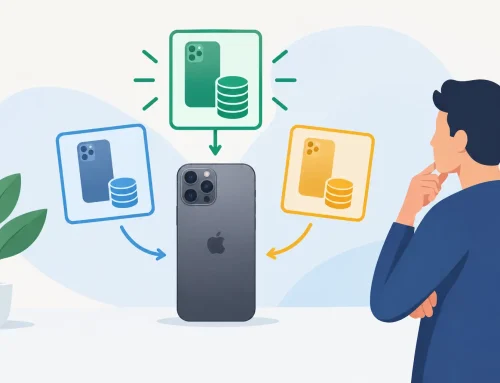
A top up adds value to your prepaid account. Depending on your carrier and the product you select, that value may be general account credit, a data package, talk time, international calling credit, or a bundle that combines several of these.
This difference matters. General credit can often be used for calls, texts, and add-ons, but it may not give you the best value for mobile data. A data bundle usually gives more gigabytes for the same spend, though it may expire sooner or be limited to certain uses. Before paying, read the package name and validity details rather than assuming every top up works the same way.
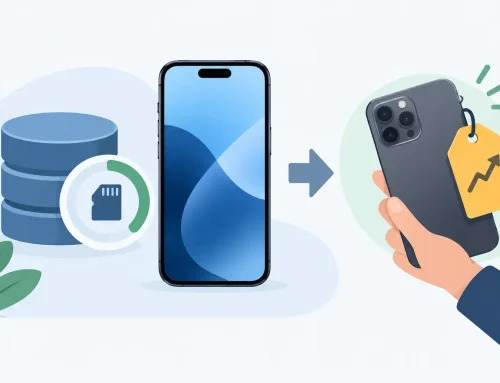
If you mainly use Wi-Fi at home, work, or school, a smaller data add-on may be enough. If you commute, stream music, use maps, hotspot a laptop, or watch videos away from Wi-Fi, buying a larger data pack upfront can cost less than repeatedly adding small amounts of credit.
Guide to prepaid mobile top ups: choose the right amount
The best top-up amount is not always the biggest one. It depends on your usage pattern and, just as importantly, the expiration rules on your prepaid line.
Start by checking how much data you used over the last 30 days in your phone settings or carrier app. Do not base your decision on one unusual weekend of gaming or travel. Look for a normal month. Then choose a plan or add-on with a little breathing room, not double what you need.
A sensible approach is to compare the cost per gigabyte, the validity period, and what happens after the data runs out. Some plans reduce your speed. Others charge from your main balance or require a separate add-on. A cheap-looking package is less attractive if it expires before you can use it.
Match the top up to your routine
A light user who mostly sends messages and checks email has different needs from someone who runs video calls on mobile data. Consider these common patterns before you reload:
- Light use: messaging, banking apps, email, occasional browsing, and Wi-Fi most of the day.
- Everyday use: social media, music streaming, maps, ride-hailing, and regular browsing while out.
- Heavy use: video streaming, hotspot use, frequent downloads, and online gaming away from Wi-Fi.
- Travel or backup use: short-term data needs, a second phone, or an emergency line that must stay active.
For backup numbers, the priority may be validity rather than lots of data. For a primary number, a recurring prepaid package can be more convenient, provided you keep enough money in the payment method and review the renewal date.
Ways to add prepaid credit
Most carriers offer several top-up methods, and the best choice comes down to speed, payment preference, and whether you are topping up your own number or someone else’s.
A carrier app or website is usually the easiest option. You can see your current balance, select a package, pay digitally, and keep a receipt in one place. It is useful if you want to set up an automatic reload, although auto reload should be used carefully if your monthly spending changes often.
Digital wallets and online banking can also be convenient, especially for quick credit reloads. Check that the mobile number is entered correctly before confirming payment. A top up sent to the wrong number can be difficult, and sometimes impossible, to reverse once the carrier has processed it.
Physical top-up vouchers are still useful when you prefer cash, do not have a payment card available, or are buying credit for a family member. Keep the receipt until the credit appears in the account. If a voucher code is scratched, damaged, or exposed, treat it like cash. Do not share the code with anyone.
If you prefer a face-to-face option, a reliable mobile retailer can help confirm the correct number and product before the transaction is completed. At Gadget Affair, customers can also ask about prepaid top-up options while checking out phones, SIM cards, or essential accessories.
Check validity before you pay
Your prepaid balance and your prepaid number do not always follow the same expiry date. This is where many users get caught out.
A data add-on may last seven, 14, or 30 days. Main account credit may have a different validity period. Meanwhile, your SIM line may require a minimum reload or chargeable activity within a set period to remain active. Letting the line expire can mean losing the number, remaining credit, account access, and two-factor authentication tied to that number.
Set a reminder several days before your line’s expiry date, particularly for a spare phone, child’s device, or travel SIM. Do not wait until the last minute. Processing delays, payment issues, or an incorrect top-up product can leave you without service when you need it.
Avoid common prepaid top-up mistakes
The most expensive errors are usually small ones repeated over time. Topping up in tiny amounts can cost more than choosing the right bundle. Buying a large package that expires unused is the opposite problem. Review your habits every few months, especially after changing jobs, moving, starting school, or getting home broadband.
Also watch for promotional language. “Unlimited” data may have a fair-use limit, speed cap, hotspot restriction, or shorter validity period. Promotions can be good value, but only when the terms match your use. If you need full-speed data for hotspot work, read that part first.
Never give one-time passcodes, voucher PINs, or account login details to someone claiming they need to “verify” your top up. Real payment confirmations do not require you to send a code to a stranger. If a deal sounds unusually cheap and asks for payment outside normal checkout channels, walk away.
What to do when a top up fails
First, do not keep retrying the payment immediately. Multiple attempts can create duplicate pending charges. Check whether your bank, wallet, or card shows the transaction as pending, successful, or declined. Then look at your carrier balance and app history to see whether the credit or package was already applied.
If payment was successful but the top up is missing, save your transaction reference, time of purchase, amount, and the mobile number used. These details make it much faster for the seller or carrier to trace the transaction. If you entered the wrong number, report it straight away, but be aware that completed reloads may not be reversible.
For voucher-based top ups, enter the code exactly as shown and avoid repeated guesses. Too many incorrect attempts can lock the voucher process temporarily. Keep the physical voucher and proof of purchase until everything is resolved.
Keep costs predictable without losing connectivity
Prepaid gives you flexibility, but it works best with a simple routine: check your remaining data before buying more, choose bundles based on real usage, and track expiry dates for both your credit and number. Turn on low-data settings for video apps, app updates, and cloud backups when you are away from Wi-Fi if data disappears faster than expected.
A good top up should feel boring in the best way: the right amount, the right validity period, and enough service to get through your month without an unexpected scramble for credit.