You spot the same phone model in two listings, but one says local set and the other says export set. The price gap looks tempting. That is usually where the real question starts with local set vs export set – are you saving money, or buying extra hassle later?
For most buyers, this is not just a label issue. It affects warranty support, 5G bands, software features, resale value, and how easy the phone is to use in Singapore from day one. If you are comparing deals and trying to stretch your budget, it helps to know where the trade-off is real and where it is overstated.
Local set vs export set: the basic difference
A local set is a device intended for official sale in the market where you are buying it. In Singapore, that usually means the phone was brought in through the brand’s authorized local channel and is meant to work with local network conditions, warranty processes, and regional software support.
An export set is typically a genuine device from another market. It may be imported from places like Hong Kong, China, the Middle East, Europe, or other regions, then sold outside its original intended market. It is not automatically fake, defective, or bad. But it was not originally packaged for your local market, and that difference matters more than many buyers expect.
The easiest way to think about it is this: a local set is built for your market on paper and in support terms. An export set may still work fine, but it comes with more variables.
Why export sets are often cheaper
The lower price is the reason many people even consider an export set. Sometimes the savings are minor. Sometimes they are enough to move you up to a better storage option or a stronger model.
That lower price can happen for a few reasons. The device may come from a market with different taxes or pricing strategy. It may be parallel imported outside the brand’s official local channel. It may also have different demand patterns, which creates extra stock in one region and better pricing in another.
For budget-focused buyers, that discount is attractive. But price should not be viewed on its own. If an export set saves you money upfront but gives you weaker warranty support, missing features, or lower resale value, the total value may not be as strong as it first looks.
Warranty is usually the biggest separator
If you ask what matters most in local set vs export set, warranty is usually the first answer.
A local set commonly includes official local manufacturer warranty, assuming the seller states that clearly. If something goes wrong, you usually have a straightforward service path through the brand’s authorized support network in your market.
An export set may come with seller warranty instead of manufacturer warranty. That does not automatically make it bad. A reliable retailer can still handle issues properly. But it is not the same as having direct local manufacturer backing. Service timelines, parts availability, and repair procedures may differ.
This is where buyers need to slow down and ask specific questions. Who handles defects? How long is the warranty? Is it official brand coverage or in-house shop coverage? What happens if the phone needs parts that are not standard for the local market?
If you upgrade often and rarely keep a phone long, you may care less. If you want peace of mind for one to two years, local set usually feels safer.
Network compatibility can be fine, or annoying
Not every export set has network issues, but this is one of the main risks.
Modern phones often support many bands, and some export units work perfectly well on local carriers. Still, there can be differences in 4G and 5G band support depending on the market version. In daily use, that may show up as weaker coverage in certain areas, less stable 5G, or lower data performance compared with the local set version.
This is especially relevant if you rely heavily on mobile data for work, gaming, hotspot use, or commuting. A phone that works “well enough” is not always the same as one that is fully optimized for local networks.
Dual SIM behavior can also vary by region. So can eSIM support. Some buyers assume all versions of the same model have identical features. That is not always true.
Software and region-specific features matter more than people think
A phone can share the same name across markets and still behave differently.
An export set may ship with different firmware, region-based apps, language defaults, or feature restrictions. In some cases, camera shutter sound behavior, call recording availability, contactless payment support, AI features, or system apps can differ by region. Even update timing may vary.
This does not mean export software is worse. Sometimes it is just different. But if you want a straightforward setup, fewer surprises, and software behavior that aligns with your local market, the local set is easier.
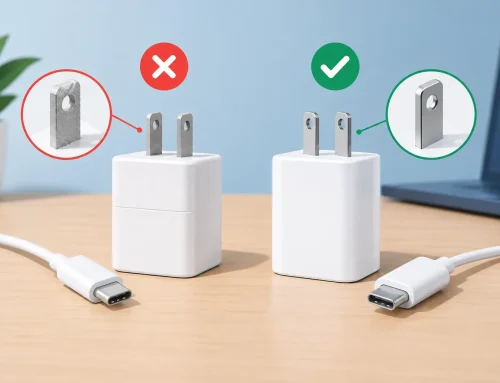
You should also be careful with charger type, packaging, and pre-installed apps. Some export sets may include a plug type meant for another country or accessories that differ from local retail expectations.
Resale and trade-in value usually favor local sets
A cheaper purchase price can help today, but think about your exit later.
When it is time to sell or trade in your device, local sets usually have broader appeal. Buyers are more comfortable with them because warranty status is clearer, compatibility concerns are lower, and the phone is easier to verify as a market-correct unit.
Export sets can still be resold, but they often face more questions. Some buyers will negotiate harder once they see it is not a local set. Trade-in offers may also reflect that reduced demand.
If you upgrade every year or two, this point matters. A local set may cost a bit more upfront but hold value better, which can narrow the real price gap over time.
When an export set can still be a smart buy
Not every export set is a compromise. Sometimes it is the right choice.
If the seller is transparent, the savings are meaningful, and the specific model is known to work well on local networks, an export set can be good value. This is especially true for buyers who know exactly what they are getting and are less concerned about official local warranty.
It can also make sense when the export version offers a configuration that is hard to find locally, such as a certain color, storage capacity, or memory variant. Some buyers prioritize that over official local channel status.
The key is that you should buy an export set because you understand the trade-off, not because the listing was vague and the price looked good.
How to compare local set vs export set before paying
A good seller should be able to answer a few simple questions without dancing around them. Ask whether the unit is local or export. Ask what warranty applies and who handles repairs. Ask whether the model supports local 4G and 5G bands, whether eSIM works if you need it, and whether the box contents match what you expect.
You should also confirm the exact model number, not just the model name. Two phones with the same marketing name can have different regional versions. That is where many mistakes happen.
If you are buying used, this becomes even more important. A used export set is not automatically a bad deal, but the condition, battery health, network support, and warranty situation all need to be checked properly. A retailer that allows inspection and testing gives you a much clearer buying path than a random listing with limited details.
Which one should most buyers choose?
For most everyday buyers, a local set is the safer and simpler option. You usually get clearer warranty support, better resale confidence, and fewer questions about compatibility or software behavior. If you want a phone that works as expected and is easier to deal with later, local set is the practical choice.
An export set makes sense when the price gap is worthwhile and the seller is clear about what you are buying. It suits more informed buyers who are comfortable checking model numbers, warranty terms, and network support before committing.
The wrong move is not choosing export over local. The wrong move is paying local-set expectations for an export-set device just because the listing was unclear.
If you are comparing phones and want fewer surprises, ask the boring questions first. Warranty, model number, network support, and resale value are not exciting, but they are usually what decide whether a deal stays good after the checkout screen.