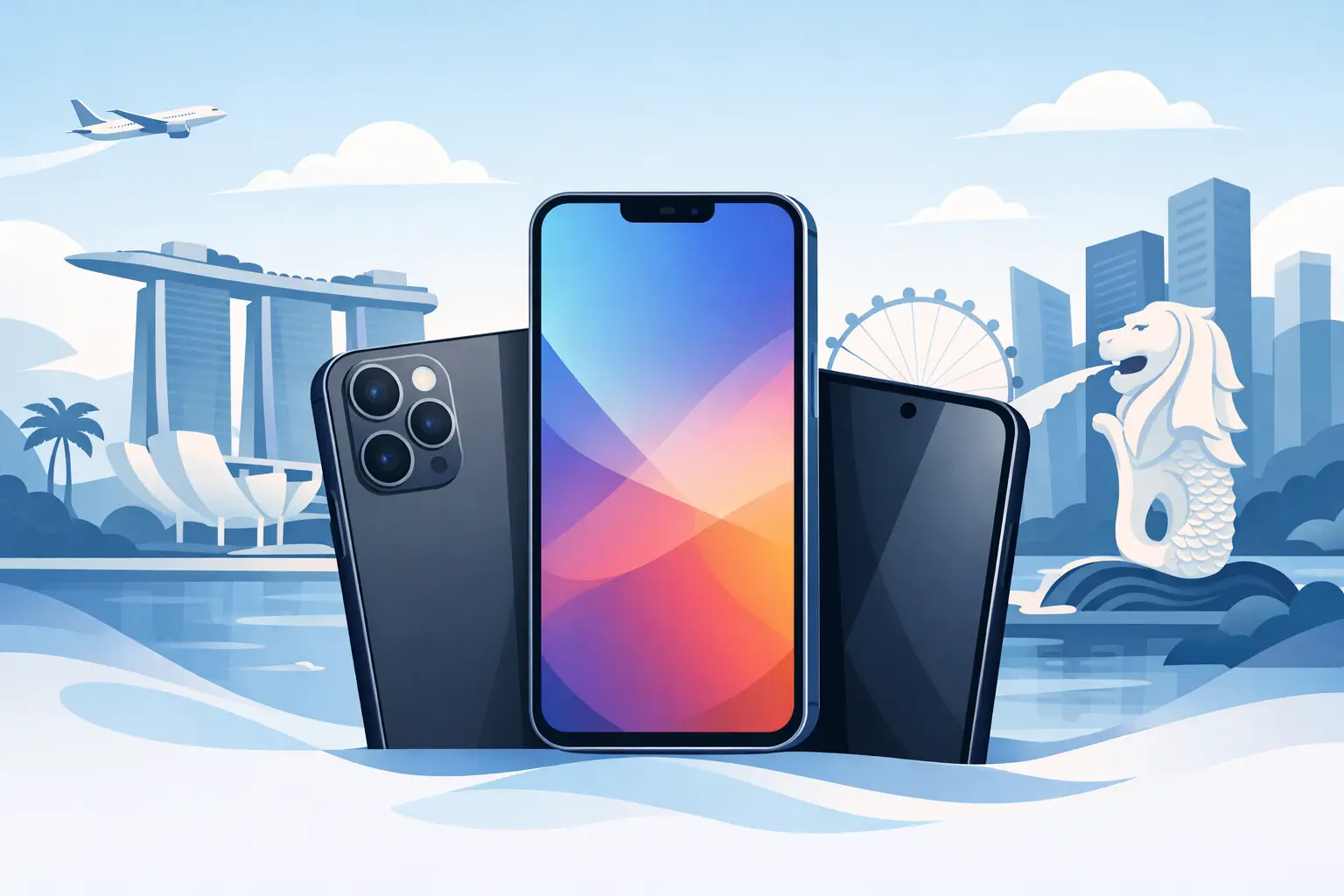
A phone that looks good on paper can still be the wrong buy once you factor in price, storage, local set availability, and how long you plan to keep it. That is why shoppers comparing new smartphones Singapore options are usually not just asking which model is newest. They are asking which one makes sense for their budget, daily use, and upgrade cycle.
In Singapore, the smartphone market moves fast, but most buyers still fall into a few clear groups. Some want the best camera and fastest chip. Some want a reliable everyday phone below flagship pricing. Others are replacing an aging device and want to stretch value further through a trade-in. If you are buying with those real-world priorities in mind, the best choice is rarely about hype alone.
What matters when buying new smartphones Singapore shoppers actually use
The first filter is price tier. Premium flagships from Apple and Samsung still lead on top-end performance, camera processing, display quality, and resale strength. The trade-off is simple – you pay much more upfront, and many buyers will not use half the extra power they are paying for.
Mid-range phones are where a lot of practical value sits. Brands like Xiaomi, Poco, Oppo, Realme, Honor, and Nothing keep pushing stronger displays, larger batteries, and better memory configurations into lower price brackets. For many students, working adults, and general users, this category hits the sweet spot. You get enough speed for messaging, video, work apps, gaming, and social media without flagship-level pricing.
Entry-level devices still matter too, especially for backup phones, first phones, elderly users, or anyone who wants basic reliability. Here, battery life, screen size, and storage matter more than benchmark scores. A cheaper phone with 256GB storage may be a smarter buy than a slightly faster model that fills up too quickly.
Which brands stand out in new smartphones Singapore listings
Apple remains the easy choice for buyers who want long software support, strong resale value, and a familiar ecosystem. If you already use AirPods, an Apple Watch, or a MacBook, sticking with iPhone often makes sense. The downside is cost. Even older iPhone generations can stay expensive compared to Android phones with stronger hardware specs on paper.
Samsung covers the broadest spread. Its flagship Galaxy models are for buyers who want premium screens, polished cameras, and proven brand support. Its A-series devices are often more relevant for value-focused buyers because they bring recognizable branding and dependable day-to-day use without pushing into ultra-premium pricing.
Google phones appeal to a smaller but informed group. They are attractive if you care about clean software, fast Android updates, and camera quality driven by software processing. Availability and pricing can be the deciding factors, since not every buyer wants to pay extra for the software-first experience.
Xiaomi and Poco stay popular because they usually offer aggressive specs for the money. More RAM, faster charging, and high refresh rate displays are common selling points. The trade-off can be personal preference around software interface and how much you value long-term update consistency.
Honor, Oppo, Realme, Sharp, Infinix, and Nothing each serve buyers who are looking beyond the biggest two brands. Some stand out on battery value, some on design, some on pricing. This is where checking exact model specs matters. One lineup may be tuned for camera use, while another is clearly built to win on price and battery.
How to compare models without overpaying
Start with storage, not marketing. A phone with 256GB is often the safer buy than a cheaper variant with 128GB, especially if you keep lots of photos, videos, apps, or offline media. Running out of space early makes a good deal feel bad very quickly.
RAM also matters, but only to a point. For basic use, 8GB is already comfortable on many Android devices. If you multitask heavily, game often, or want more breathing room over time, higher RAM can help. But paying a large premium for a memory jump alone is not always justified.
Battery size and charging speed can matter more than pure processor branding. A phone used all day for messaging, navigation, streaming, and payment apps needs dependable battery life. Fast charging is especially useful for busy users who top up in short windows instead of charging overnight.
Camera claims need context. More lenses do not always mean better photos. Some buyers will get better results from a well-tuned dual-camera system than a cheaper phone trying to sell a four-camera setup. If camera quality matters, look at consistency in daylight, indoor shots, video stabilization, and low-light performance – not just megapixel count.
New smartphones Singapore buyers should match to actual use
If you are buying for school or work, focus on battery, storage, and network reliability. You need a phone that can handle video calls, note-taking, mobile hotspot use, and daily app switching without becoming frustrating after a few months.
If you game often, look beyond the chipset name and check heat management, battery drain, screen refresh rate, and memory configuration. Some phones benchmark well but throttle under longer gaming sessions. Others are more balanced and deliver smoother real play.
If you mainly use your phone for photos, family videos, and social media, camera software, storage, and display quality should lead your decision. You may not need a flagship, but you do need a phone that gets exposure and skin tones right consistently.
If you upgrade every two to three years, spending a bit more on a stronger model can make sense. If you change phones more often or are replacing a damaged device fast, mid-range value is usually the smarter move.
Why local availability and transparent listings matter
A good deal is only good if you know exactly what you are getting. Singapore buyers often check whether a device is a local set, what storage variant it is, and whether the listed specs match actual stock. That matters because price comparisons become misleading very quickly when models differ by RAM, storage, region, or included accessories.
Clear listings reduce wasted time. So does buying from a retailer that actually carries a broad range of brands and price points instead of steering every customer toward one model. For practical buyers, convenience is not a slogan. It means stock that is ready, pricing that is stated clearly, and enough information to compare before making a trip or placing an order.
This is also where a neighborhood retailer can be more useful than a generic marketplace listing. If you want to compare a budget Android phone with a more established mid-range model, seeing actual options side by side helps you make a faster and more confident decision.
Trade-in can change the math on a new phone
A lot of buyers look at the sticker price but ignore the phone sitting in their pocket. If your current device still has value, a trade-in or buy-back option can reduce the real cost of upgrading more than a small sale discount.
This is especially useful for iPhone and Samsung users, where older devices often hold resale value better. But even for other brands, moving an old device instead of letting it sit unused can make a new purchase more manageable. The key is being realistic about condition, battery health, storage, and market demand.
For buyers trying to stay within a fixed budget, the best move is often not choosing the absolute cheapest new model. It is combining a sensible mid-range upgrade with value recovered from the old phone.
Getting the best value without chasing the cheapest price
The cheapest listing is not always the best buy. A slightly higher price can still be better value if the phone is a local set, has the right storage tier, or comes from a retailer that is clear about what is in stock. That is usually more useful than saving a small amount and ending up with the wrong variant.
Gadget Affair fits this kind of buyer well because the focus is straightforward – current stock, multiple brands, practical pricing, and upgrade options that include trade-in. That matters when you want to compare new phones seriously instead of guessing from incomplete listings.
If you are shopping for a new smartphone in Singapore, keep the decision simple. Buy for your real usage, not the spec sheet fantasy. The right phone is the one that feels fairly priced on day one and still feels like a good call six months later.