A phone that lasts through a workday, takes clear photos of receipts and family moments, runs banking and messaging apps properly, and does not feel slow after six months is usually the right phone. For most buyers, Xiaomi phones for everyday use make sense because the brand puts large batteries, generous storage, and useful features into price ranges where some competitors start cutting corners.
The catch is that Xiaomi has a wide lineup. A low-priced Redmi, a Redmi Note, a Poco, and a Xiaomi flagship can all look similar on a product page while delivering very different experiences. The smart move is not simply buying the model with the biggest number in its name. It is matching the phone to the way you actually use it.
What Everyday Use Really Demands
Everyday use is not a light workload. It means WhatsApp conversations running all day, maps during commutes, payment and banking apps, web browsing, video calls, food delivery, photos, music, and the occasional game. A phone does not need flagship-level power for that, but it does need enough memory, dependable battery life, a screen you can read outdoors, and software you are comfortable using.
For most people, 8GB of RAM is the comfortable starting point. It helps apps stay open when you switch between a browser, social apps, email, and messaging. A 6GB model can still work well for lighter users, especially at the right price, but it may feel more limited over a longer ownership period.
Storage matters just as much. A 128GB phone is workable if you mostly stream media and regularly clear photos. Choose 256GB if you take plenty of videos, keep offline downloads, play games, or want to avoid managing storage every few months. MicroSD expansion is useful when available, but it should be a bonus rather than the only reason to accept very low internal storage.
Battery is the feature you notice every day
Many Xiaomi and Redmi models are known for 5,000mAh or larger batteries. That is a practical advantage, not just a spec-sheet win. A good battery means less anxiety when you leave home in the morning, spend time on mobile data, or use navigation after work.
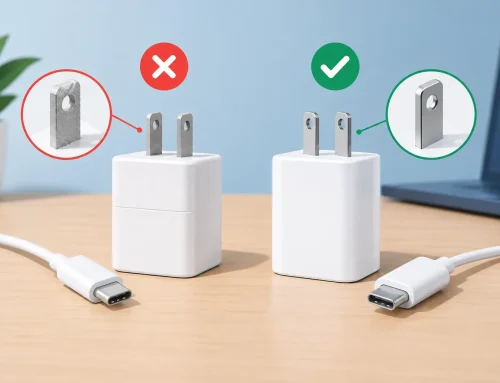
Fast charging is helpful, too, but check what comes in the box and what charging speed the phone actually supports. A phone may advertise fast charging while the included adapter is slower, or it may need a compatible charger purchased separately. If you are upgrading from an older device, this detail can affect your daily experience more than a minor processor upgrade.
Choosing Xiaomi Phones for Everyday Use by Budget
The best tier depends on what you are trying to avoid. Some buyers want the lowest possible upfront cost. Others are happy to spend more if it means better cameras, a smoother display, and an extra year or two before the next upgrade.
Entry-level Redmi models: for calls, apps, and essentials
Entry-level Redmi phones suit users who want a recognizable brand, big screen, good battery life, and enough performance for the basics. They are a sensible choice for students, older family members, backup phones, or anyone replacing a damaged device without spending heavily.
Expect solid performance for messaging, video streaming, ride-hailing apps, online shopping, and casual photos. The trade-off is usually a more modest processor, slower charging, less impressive low-light photography, and occasional pauses when several apps are open. These are not deal-breakers if your usage is straightforward, but they are worth accepting honestly before you buy.
Look for at least 6GB RAM and 128GB storage where possible. If the price gap to an 8GB/256GB version is reasonable, that upgrade is often better value than changing the color or adding a basic accessory bundle.
Redmi Note models: the practical sweet spot
For many people, the Redmi Note range is where Xiaomi becomes especially compelling. These phones typically balance price, display quality, battery capacity, charging, cameras, and daily performance more effectively than entry-level options.
A Redmi Note model is a strong fit for young professionals, students who use their phone for everything, and buyers who expect to keep a device for two to four years. You can generally expect a sharper AMOLED or high-refresh-rate display on many variants, more capable main cameras, and performance that is comfortable for multitasking.
Do not assume every Redmi Note version has the same features. Some variants prioritize 4G value, while others add 5G support, a stronger chipset, improved camera stabilization, or faster charging. Compare the exact RAM, storage, network version, and model suffix before deciding. The name alone is not enough.
Higher-spec Xiaomi models: for people who use a phone as a main camera
Higher-tier Xiaomi phones make more sense when camera quality, display brightness, faster performance, or premium build matters to you every day. They are a better match for frequent travelers, mobile gamers, content creators, and users who edit photos, join long video calls, or rely heavily on their phone for work.
You will usually get a faster processor, better image processing, improved low-light shots, and smoother long-term performance. The trade-off is simple: these models cost more, and the difference may be unnecessary if most of your day is messages, videos, and browsing.
Before paying flagship money, ask whether you need the top camera system or simply a phone that takes consistently good shots in normal lighting. A well-priced midrange device can be the smarter purchase for everyday use, especially if you would rather put the savings toward earbuds, a case, or a future trade-in.
Check These Details Before You Buy
A good deal is only good when the exact device matches your needs. Before committing, check the storage and RAM configuration rather than relying on the product family name. Also confirm whether it is a local set, what warranty applies, and whether it supports the network bands and eSIM features you need.
Software is another personal preference. Xiaomi phones use HyperOS on newer models, with a feature-rich interface and plenty of customization. Some users like the extra controls, themes, and utility tools. Others prefer a simpler interface with fewer preinstalled apps. Spend a few minutes looking at the software in person if possible. You will interact with it more than you will interact with the processor name.
Camera specs deserve a reality check. A high megapixel number can be useful, but it does not automatically mean better photos. For everyday pictures, focus on how quickly the camera opens, whether photos look natural in indoor lighting, how the main camera handles moving subjects, and whether the front camera works well for video calls. Secondary macro or depth cameras are less important than a good main camera.
If you are considering a pre-owned Xiaomi phone, condition matters as much as model year. Check battery behavior, charging port fit, screen condition, cameras, speakers, buttons, biometric unlock, and network connectivity. A verified used device can offer excellent value, particularly when it has higher storage or a better camera setup than a new entry-level phone at the same price.
When a Xiaomi Phone Is Not the Best Fit
Xiaomi is not automatically the right answer for every buyer. If long software support is your top priority, compare the update policy of the exact model against alternatives in the same price range. If you strongly prefer a minimal software experience, another brand may feel more comfortable from day one.
Buyers who need the strongest resale value may also want to compare market demand before choosing. Xiaomi devices can represent very good upfront value, but resale prices vary by series, storage option, condition, and how quickly newer models arrive. This is where choosing a popular model and protecting it with a proper case and screen protector can pay off later.
For practical buyers, the best phone is rarely the most expensive one on the shelf. Choose the Xiaomi that has enough RAM and storage for your habits, battery life you can trust, and a camera you will actually use. Test the feel in hand when you can, compare the exact configuration, and buy the model that leaves you confident rather than stretched.