A phone listing can look perfect until you notice one small line: local set. That detail affects warranty, service support, resale value, and sometimes even network compatibility. If you are comparing prices and wondering how to check local set phones before paying, the safest move is to verify more than just the box and sticker.
What local set phones actually mean
A local set phone is a device officially meant for sale in the country where you are buying it. In practical terms, that usually means the phone was distributed through authorized local channels and is more likely to come with local warranty support, local plug type, and software or network compatibility that fits the market.
This matters because two phones can look identical and still be different behind the scenes. One may be a proper local unit with manufacturer-backed coverage in your market. The other may be an imported set, often called an international set or gray import, with different warranty terms and a different model number.
Lower price does not always mean bad value. Some imported phones work perfectly well. The problem starts when buyers assume every warranty claim, repair request, or software feature will be handled the same way. That is where checking first saves trouble later.
How to check local set phones before you buy
The easiest mistake is relying on the seller’s title alone. If a product listing says local set, ask for proof. A proper check usually takes a few minutes and gives you a clearer picture of what you are paying for.
Check the exact model number
Start with the model number, not just the phone name. A phone can be sold under the same marketing name in different regions while carrying different hardware variants. The model number is the cleanest way to identify whether the unit was intended for your market.
You can find it on the box, inside the phone settings, or on the invoice if the seller provides one. Compare the model number shown on the device with the one on the retail box. If they do not match, stop and ask why.
This step matters because some phones have regional differences in 5G bands, dual SIM support, eSIM support, or software features. A mismatch does not automatically mean the phone is fake, but it does mean the listing needs closer inspection.
Verify the IMEI
If you want to know how to check local set phones the smart way, always ask for the IMEI. The IMEI helps confirm the identity of the device and can be checked against the box and the phone itself.
Dial *#06# on the phone and compare the number shown with the label on the box and any receipt or invoice. These numbers should line up. If the seller refuses to share the IMEI before purchase, that is not always a deal breaker for privacy reasons, but they should at least be willing to verify it in front of you during viewing or collection.
The IMEI alone does not prove local set status in every case. What it does do is help you confirm that the hardware, box, and paperwork belong together.
Ask about the warranty source
This is where many buyers get caught. A seller may say the phone has warranty, but that does not always mean manufacturer local warranty. It could be shop warranty, third-party warranty, or overseas warranty.
Ask one direct question: Is this covered by the official local distributor or manufacturer in this market? If the answer is vague, ask for the warranty card, proof of purchase, or serial number verification details.
A true local set usually has a clearer service path. If the screen fails or the battery has an issue within the coverage period, you should know exactly where the phone can be serviced. If the warranty depends only on returning to one seller, the value is different even if the price looks attractive.
Review the retail packaging and contents
Box details can help, but they should not be your only test. Labels may show region-specific information such as importer details, compliance marks, SKU labels, or local warranty references. Packaging should also look consistent, not resealed or altered.
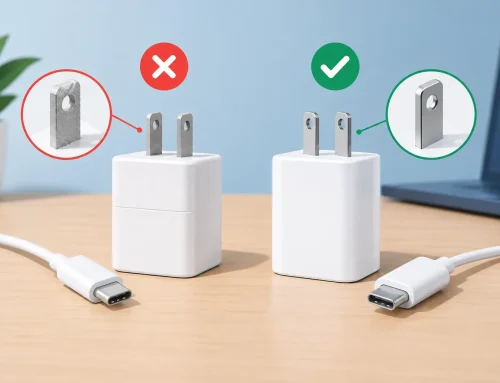
Check whether the plug type, printed documentation, and included accessories match what is normally sold in your market. Some brands no longer include chargers, so do not treat missing accessories as proof by itself. Look for overall consistency.
If the box looks fine but the seller cannot explain where the stock came from, keep asking. A clean box is helpful, not conclusive.
Check network support, not just warranty
A phone can be genuine and still be a poor fit for your region. That is why network support should be part of how to check local set phones, especially if you use 5G or depend on strong indoor coverage.
Different market variants may support different LTE and 5G bands. In daily use, that can affect signal strength, call quality, data speeds, and future compatibility. This is more relevant for imported sets, but it is still worth confirming for any phone you buy.
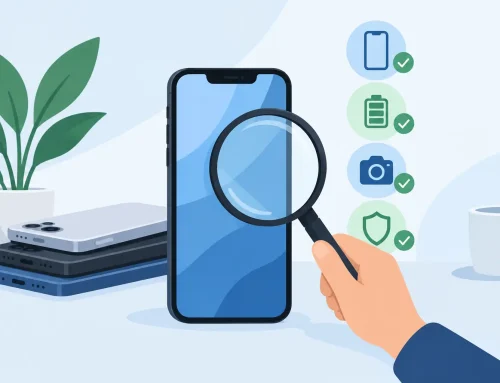
If you are buying in person, insert a SIM and test basic functions. Make a call, turn on mobile data, test Wi-Fi, Bluetooth, front and rear cameras, speakers, and charging. For used devices, this matters even more because local set status does not guarantee perfect condition.
Why local set status affects resale value
If you upgrade often, local set status is not just about peace of mind today. It can also affect what your phone is worth later. Buyers and trade-in shops usually prefer devices with easier warranty verification, familiar model numbers, and paperwork that makes sense locally.
That does not mean imported sets have no resale value. They do. But they often need more explanation, and some buyers will offer less because they assume higher risk. If the price gap at purchase is small, a local set may hold value better over time.
Red flags to watch for
Some issues show up quickly once you know what to look for. Be careful if the seller cannot provide a matching model number, avoids IMEI checks, gives unclear answers about warranty, or offers a price that is much lower than the rest of the market without a good reason.
Also watch for listings that use broad phrases like original set or warranty available without naming the warranty provider. Those phrases sound reassuring, but they do not answer the real question.
For used phones, another red flag is when the device condition is described in detail but the origin is not. Battery health, scratches, and storage size are important, but so is whether the unit was meant for local sale and how support will work after purchase.
Buying new vs used local set phones
The checking process is slightly different depending on whether the phone is brand new or pre-owned.
For a new phone, focus on model number, seal condition, warranty source, and invoice details. Ask whether activation has already happened. Some buyers assume sealed means unactivated, but that is not always true.
For a used phone, add a proper physical and functional inspection. Check battery health where available, test Face ID or fingerprint unlock, inspect cameras for fogging or focus issues, and confirm there is no activation lock or account lock. A used local set phone with verified origin and proper testing is usually a safer buy than a vague listing with a lower price.
Should you always choose a local set?
Not always. It depends on the price difference, the brand, the warranty situation, and how you plan to use the phone.
If the imported version is significantly cheaper and you are comfortable without official local warranty, it may still be a reasonable deal. This is more common for buyers who upgrade often, use secondary phones, or know exactly which model variant they want.
But if you want easier support, fewer questions at resale, and less risk around network or service issues, local set usually makes more sense. For most everyday buyers, paying a bit more for clearer support is often the better value.
The safest way to buy
The best sellers make this easy. They can show the model number, explain the warranty clearly, verify the IMEI, and let you inspect the phone properly. That applies whether you are buying online or in-store.
If you are shopping with a retailer that handles both new and used devices, ask how they check pre-owned stock and whether in-person testing is available. A store that is comfortable with inspection is usually easier to deal with after the sale too. That is one reason buyers in Singapore often prefer hands-on mobile shops like Gadget Affair when they want clear local set details without the guesswork.
A good phone deal is not just about getting the lowest number on the price tag. It is about knowing exactly what you are buying, what support comes with it, and whether the device fits your needs from day one. If a seller can answer those points clearly, you are already in a much better position.