That old iPhone sitting in your drawer is losing value every month. If you’re wondering how to trade in iPhone the right way, the goal is simple – protect your data, understand what affects price, and avoid leaving money on the table.
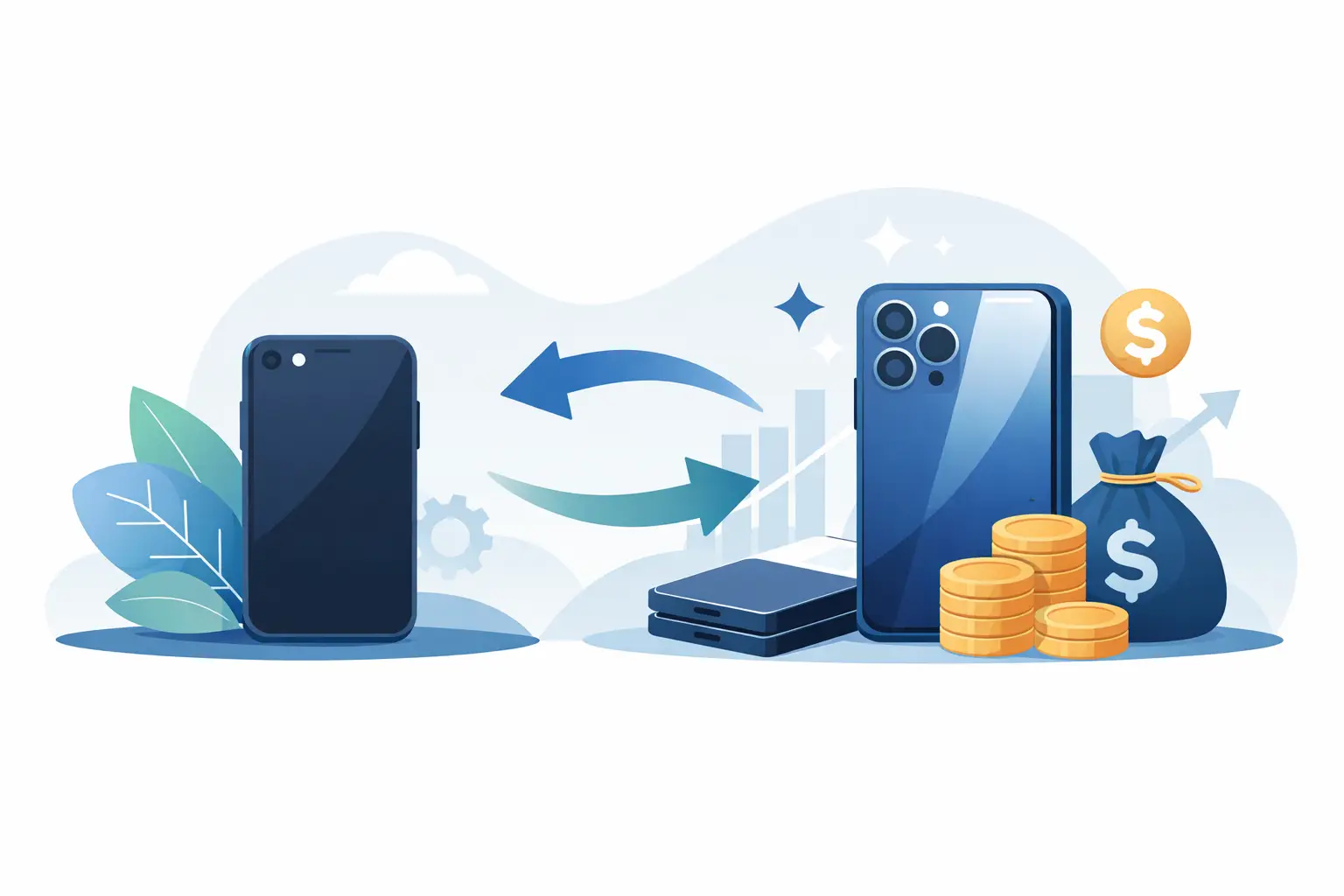
A trade-in can be the fastest way to lower the cost of your next phone. It is not always the highest payout compared with selling to another person, but it is usually the easier option. For most buyers, that balance of speed, convenience, and predictable pricing is exactly the point.
How to trade in iPhone without losing value
The best trade-ins start before you even ask for a quote. Condition matters, but timing matters too. An iPhone traded in before a new model launch often holds value better than one traded in after the market gets flooded with upgrades.
Storage size, battery health, model year, and whether the device is unlocked all affect what you can get. A clean iPhone 14 with higher storage will usually attract a stronger offer than a base storage model with visible wear, even if both still work fine. Buyers also look closely at screen condition, camera function, Face ID, charging, and any signs of previous repair.
If your phone has a cracked back glass, weak battery, or faulty buttons, you can still trade it in, but expect a lower offer. That does not mean you should automatically repair it first. Sometimes the repair cost is higher than the extra value you will recover. It depends on the model and the type of damage.
What buyers usually check before accepting a trade-in
Most trade-in checks are straightforward. They want to confirm identity, ownership, working condition, and resale potential. If you know what is being checked, you can prepare properly and avoid delays.
First, they verify the exact model, storage, and carrier status. Many customers assume they own an unlocked device, then find out it is still tied to a network or installment plan. That can affect eligibility or lower the quote.
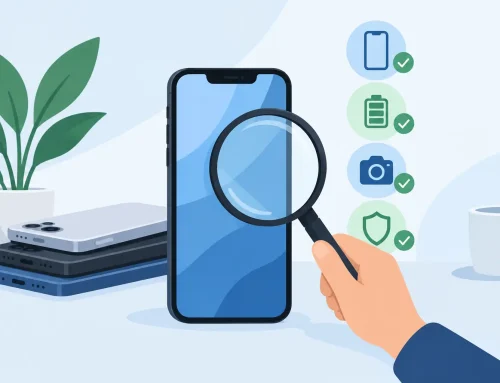
Second, they inspect the physical condition. Scratches are normal. Deep dents, display burn-in, dead pixels, heavy frame damage, or signs of water exposure are more serious. Original parts can also matter. If the screen or battery was replaced with a non-genuine part, some buyers may reduce the offer because future reliability is harder to judge.
Third, they test key functions. This usually includes touch response, cameras, speakers, microphones, Wi-Fi, Bluetooth, charging, Face ID or Touch ID, and button response. A phone that turns on is not enough. It has to work properly across the basics.
Finally, they check whether Activation Lock is removed. If Find My iPhone is still on, the trade-in process usually stops there. No serious buyer wants a device that cannot be reset and reused legally.
How to prepare your iPhone before trading it in
If you want a smoother trade-in, spend ten minutes getting the phone ready. This is where a lot of people make simple mistakes.
Start by backing up your data to iCloud or a computer. Photos, chats, notes, and app data are easy to forget until after the phone is gone. Once your backup is confirmed, sign out of iCloud, turn off Find My iPhone, and erase all content and settings. Do not hand over a phone with your Apple account still attached.
Take out the SIM card if you still use a physical one. If your iPhone uses eSIM, make sure your carrier transfer is completed on your new device first. Then give the phone a basic cleaning. You are not restoring it for display, but a clean screen and body help the inspection go faster and create a better impression.
If you still have the box or charging cable, bring them if the store accepts complete sets. Not every buyer pays extra for accessories, but complete packaging can help in some cases. At minimum, bring your ID if required and make sure the phone has enough charge for testing.
Should you fix damage before a trade-in?
This is where the answer changes from phone to phone. If the issue is minor, like dirt in the charging port or an old screen protector making the display look rough, fix it. If the issue is major, such as a cracked OLED display or motherboard fault, get a repair quote before making assumptions.
For older iPhones, expensive repairs usually do not make financial sense before trade-in. You may spend too much and recover too little. For newer models, especially Pro models, repairing the screen or battery might improve the trade-in value enough to be worth considering.
The smarter move is to compare both numbers. Ask what the device is worth as-is, then compare that with the likely value after repair minus the repair cost. Convenience matters too. Some customers would rather accept a slightly lower trade-in than spend more time arranging repairs.
Where to trade in an iPhone
You generally have three options: brand programs, carrier offers, and independent phone buyers or retailers.
Brand and carrier trade-ins can be simple, especially if you are already buying a replacement from them. The catch is that some offers come as bill credits, promotional terms, or limited-time values tied to a specific upgrade. That can be fine if you were planning that exact purchase anyway. It is less attractive if you want flexibility.
Independent retailers and buy-back shops are often more direct. You get an assessment based on actual device condition and current resale demand. This route can make sense if you want a straight transaction, a quick answer, or the option to apply the value toward another device on the spot. In Singapore, a practical local shop such as Gadget Affair can also be useful if you want to test your upgrade choice in person while settling the trade-in at the same time.
The right choice depends on what matters most to you. Highest headline value is not always the best real-world deal if it comes with restrictions or delayed credits.
Common mistakes when learning how to trade in iPhone
The biggest mistake is waiting too long. iPhones hold value better than many phones, but they still depreciate. Once a newer model is widely available, prices on older devices usually soften.
Another common mistake is guessing the condition instead of checking it honestly. If you describe the phone as excellent but it has battery service warnings or camera issues, the final quote will likely drop. Accurate expectations save time.
People also forget to remove Activation Lock, fail to back up their data, or arrive with a dead battery and no passcode ready for testing. These are small problems, but they slow down the process and can make a smooth trade-in feel harder than it needs to be.
There is also the pricing trap. Some customers fixate on the highest number they see advertised. Trade-in value is rarely one flat rate. It depends on model, condition, storage, market demand, and whether the buyer can verify everything on the spot.
How to get a fairer trade-in quote
Start with the exact model number, storage size, and a realistic description of condition. Mention any repairs, battery warnings, or faults upfront. A fair quote starts with accurate information.
It also helps to compare more than one offer, but compare the structure, not just the number. Ask whether the quote is cash, store credit, or promotional credit. Ask if the value changes after inspection. Ask if cracked glass, low battery health, or replacement parts affect the final amount.
If you are upgrading at the same time, look at the total deal. A slightly lower trade-in can still be better if the replacement phone is priced competitively and available immediately. This matters to practical buyers who care about total out-of-pocket cost, not just the trade-in line by itself.
When trading in is better than selling privately
Private sales can sometimes bring in more money, but they also bring more work. You need to create listings, answer messages, deal with no-shows, and meet strangers. There is also more pressure to prove condition, battery health, and legitimacy.
Trade-in is better when you want speed, less hassle, and a cleaner upgrade path. It is also the safer choice for customers who value convenience and want the deal done in one place. If your phone is older, has moderate wear, or sits in the mid-range of resale demand, the difference between private-sale value and trade-in value may not be large enough to justify the extra effort.
A good trade-in is not about squeezing every last dollar out of an old phone. It is about getting fair value, saving time, and moving to your next device without unnecessary friction. If you approach it with realistic expectations and a properly prepared iPhone, the process is usually much simpler than people expect.