A cheap phone is only a good deal if it still does the job well six months from now. That is the real point of any guide to buying refurbished phones – not just finding the lowest price, but knowing what you are paying for and what risks you are avoiding.
Refurbished phones can save you a serious amount compared with buying brand-new, especially if you are looking at recent iPhone, Samsung, Google, or Xiaomi models. For students, everyday users, and anyone upgrading on a budget, they often make more sense than stretching for a sealed box. But not every refurbished phone is equal, and not every seller checks stock the same way.
What refurbished actually means
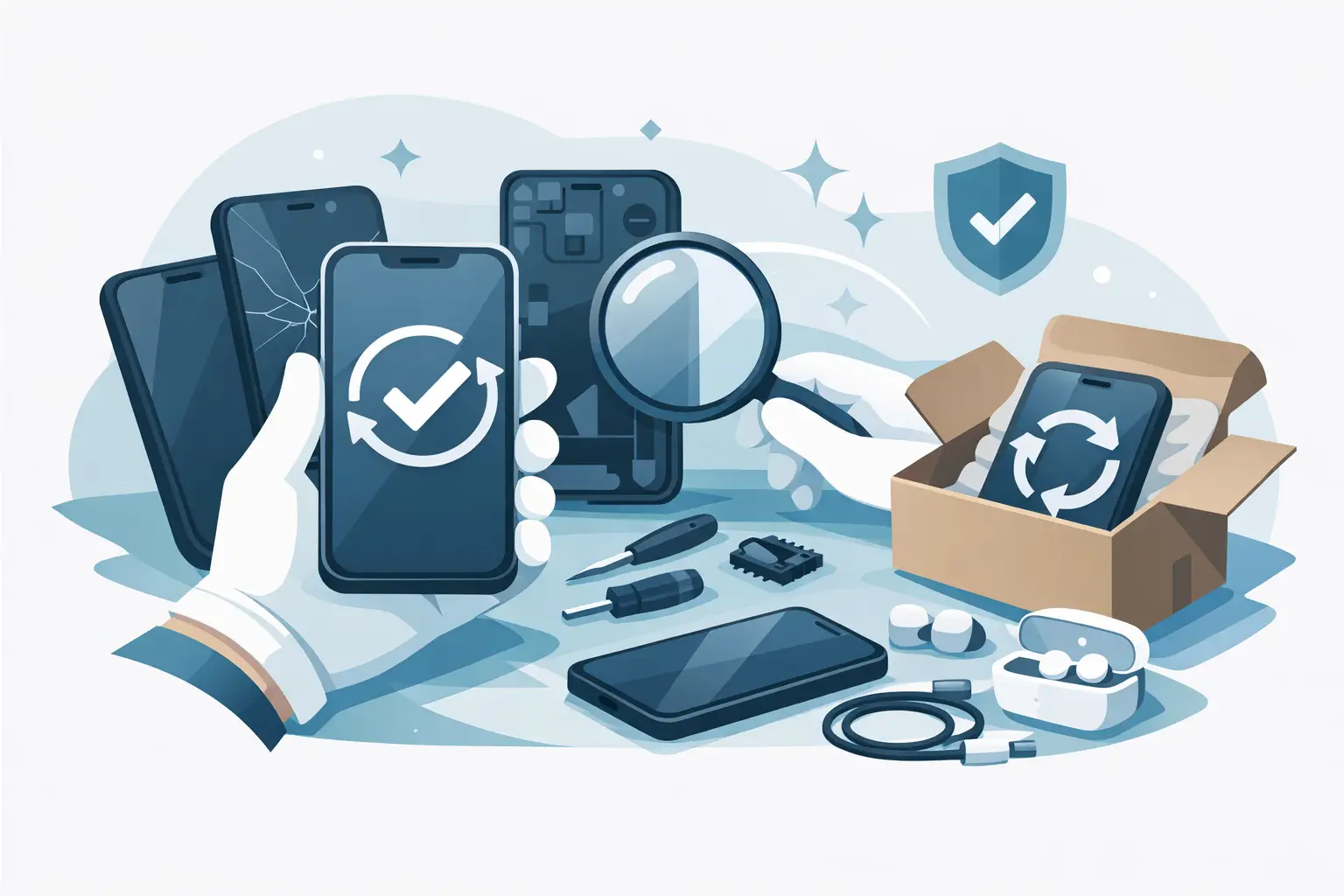
A refurbished phone is not just any used phone. In a proper retail setting, it usually means the device has been inspected, tested, cleaned, and prepared for resale. Depending on the seller, it may also have had parts replaced, software reset, and cosmetic grading assigned.
That sounds simple, but this is where buyers get caught. One store may call a phone refurbished after full functional checks and battery testing. Another may use the same word for a device that was only wiped and turned back on. That is why the process behind the listing matters more than the label itself.
If you see terms like used, pre-owned, secondhand, and refurbished used almost interchangeably, slow down and ask questions. A good listing should make the condition clear instead of hiding behind vague wording.
A practical guide to buying refurbished phones without overpaying
The first thing to check is model value, not just model name. An iPhone 13 at a low price may still be a poor buy if the battery is weak, the storage is too small, or the condition is rough enough that you will need repairs soon. On the other hand, a clean older flagship with healthy battery performance can be better than a newer entry-level device.
Start with how you actually use your phone. If you mainly need messaging, banking, maps, and social apps, you do not need to chase the newest chipset. If you game heavily, shoot video often, or keep phones for years, spending a bit more on a stronger model is usually worth it.
Storage is where many buyers try to save money and regret it later. A lower-priced 64GB phone can look attractive until system files, photos, and app updates start filling it up fast. For most users now, 128GB is the safer floor. If you keep a lot of media on-device or use your phone for work, 256GB may be the better long-term buy.
Condition matters more than small price gaps
When comparing refurbished phones, do not focus on price alone. Cosmetic grade, battery health, screen condition, and frame wear all affect real value. A phone that costs a little more but has a cleaner display and better battery usually gives you fewer problems and better resale value later.
Screen condition deserves extra attention. Light hairline marks may be acceptable if the price is right, but deeper scratches, dead pixels, touch issues, or signs of panel replacement should be checked carefully. With OLED phones especially, look for burn-in, uneven brightness, and discoloration.
Frame dents also tell a story. Minor marks are normal on used stock, but heavy corner damage can suggest past drops. That does not always mean internal issues, but it should make you inspect the device more closely.
Battery health is not a small detail
If there is one area buyers underestimate, it is battery condition. A refurbished phone can look excellent outside and still give a poor daily experience if the battery drains quickly or shuts down under load.
For iPhones, battery health is easier to check directly in the settings. For Android phones, it depends more on testing and seller transparency. If battery information is not clearly stated, ask what was checked. Was charging tested? Was abnormal drain observed? Was the battery replaced if performance fell below an acceptable level?
A cheaper phone with poor battery health is rarely a bargain. You either live with weak performance or spend more on replacement later. If you rely on your phone for commuting, school, work, or mobile payments, battery reliability is basic, not optional.
Check what was tested before sale
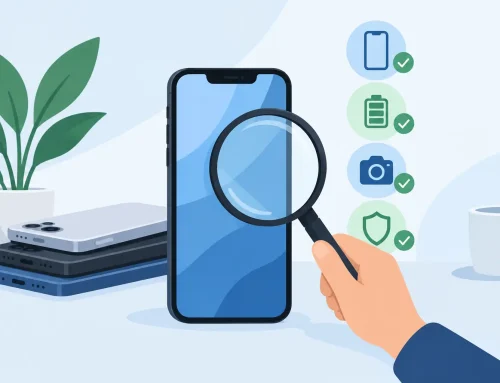
A proper refurbished phone should be tested beyond just powering on. Core checks should include touchscreen response, cameras, speakers, microphones, charging, buttons, Wi-Fi, Bluetooth, signal reception, and face or fingerprint unlock if the model supports it.
This is where buying from an established retailer has a real advantage over random marketplace deals. You want a seller that is used to handling trade-ins, inspecting stock, and spotting faults before the phone reaches the shelf. In-store testing is even better because you can verify the basics yourself before paying.
If you are buying online, product descriptions should still be specific. Clear condition notes, storage and RAM details, local set status, and any stated quality checks help reduce guesswork.
Warranty and return policy separate good deals from risky ones
A refurbished phone without any warranty may still be cheap, but you are taking on more of the risk. Even short coverage is useful because some issues only show up after a few days of normal use.
Look at what the warranty actually covers. A stated warranty sounds reassuring, but terms matter. Does it cover functional faults only? Is battery covered? What happens if Face ID, camera focus, or charging becomes inconsistent after purchase? A straightforward return or exchange process is part of the value, even if the price is slightly higher.
For many buyers, peace of mind is worth more than saving a small amount upfront. That is especially true if the phone is for daily use and not just a backup device.
Be careful with locked, imported, or unclear sets
A refurbished phone can be priced low for reasons that are not obvious at first glance. It may be locked, missing original features, repaired with lower-grade parts, or not intended for your local market.
That does not mean every imported set is bad. Sometimes it is completely fine. But you should know what you are buying. Check network compatibility, eSIM support if you need it, and whether features like contactless payment, camera shutter behavior, or warranty support differ by region.
If a listing is vague about whether the phone is local, unlocked, or fully functional, treat that as a warning sign. Good sellers make key details easy to understand.
Accessories and replacements affect total cost
A refurbished phone may look cheap until you add the things you still need. Charger, cable, screen protector, case, and possible battery replacement all affect the real price.
This is why side-by-side price comparison should be honest. Compare the final usable cost, not just the sticker price. A slightly higher-priced unit that is in better shape and ready to use can be the smarter buy than a cheaper listing that needs extra spending right away.
Who should buy refurbished and who should not
Refurbished phones make the most sense for buyers who care about value, brand quality, and practical performance more than having the newest release. If you want a dependable iPhone or Samsung without paying launch pricing, refurbished is often the sweet spot.
They also work well for secondary phones, student devices, first phones for younger users, and upgrades from aging budget models. You can often get a better screen, camera, and build quality by buying an older flagship refurbished rather than a brand-new low-end phone.
But it depends on your priorities. If you want maximum battery lifespan, top water resistance confidence, or full manufacturer support for as long as possible, a brand-new device may still be the better fit. Refurbished is about balance, not perfection.
Final checks before you pay
Before you commit, confirm the exact model, storage, color, condition grade, battery status, warranty, and what is included in the box. Turn on the phone if possible. Test the camera, speakers, charging port, buttons, biometrics, and call signal. If the seller allows in-person testing, use it.
A reliable shop should not make these checks feel difficult. Clear answers, transparent listings, and tested stock are what make refurbished worth considering in the first place. At Gadget Affair, that practical approach is exactly what many buyers want – a fair price, a phone that is ready to use, and fewer surprises after checkout.
The best refurbished phone is not the cheapest one on the page. It is the one that fits your budget, has been properly checked, and still feels like a smart buy after the first week of real use.