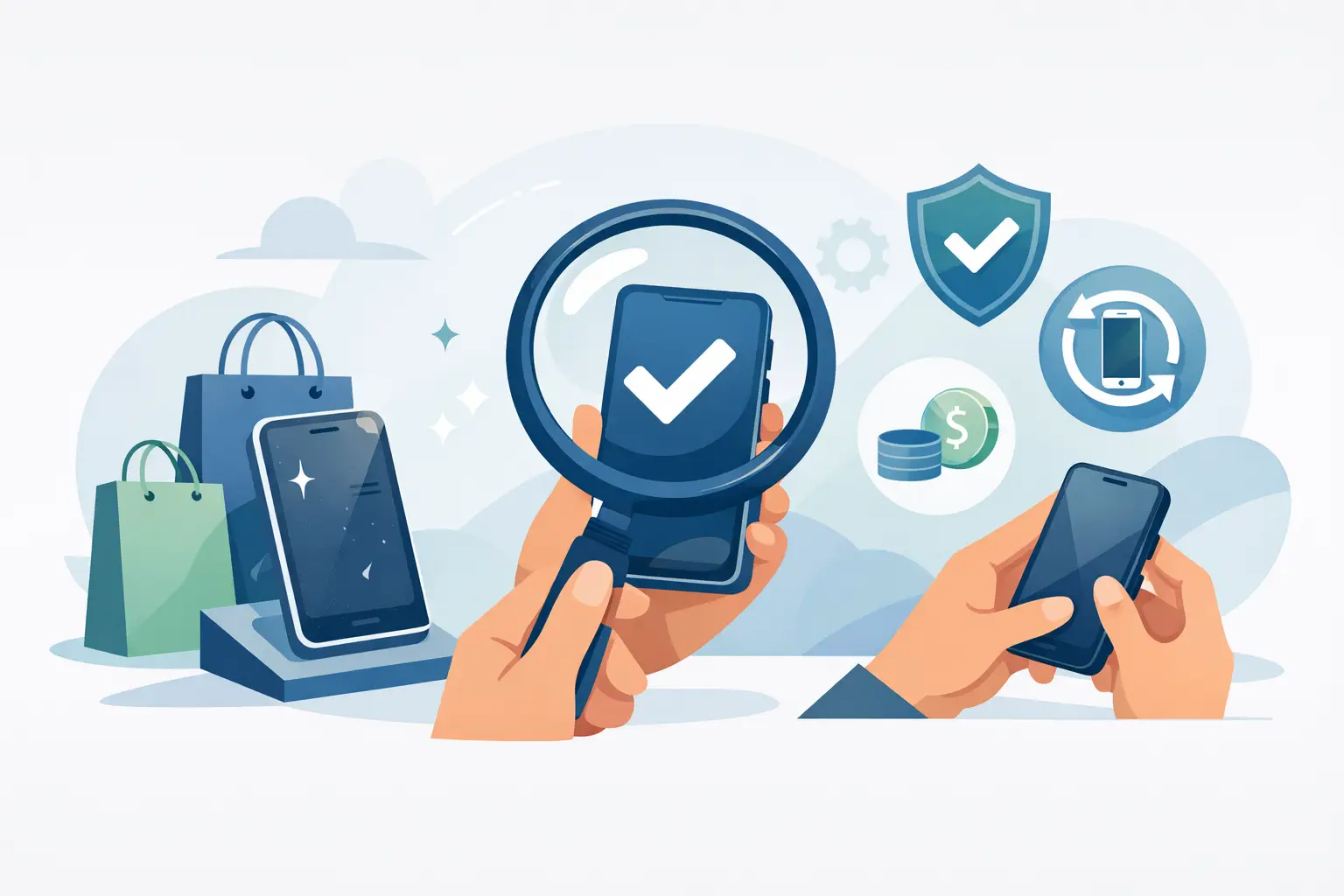
That price gap is usually what starts the conversation. You compare a brand-new phone against a used one with the same storage, same core features, and often very similar real-world performance, and the used model can look like the smarter deal right away. So, are used phones worth buying? In many cases, yes – but only when the condition, battery health, seller checks, and pricing actually line up.
For most buyers, the real question is not whether used phones are good or bad. It is whether the specific phone in front of you is worth the asking price. A well-kept pre-owned iPhone, Samsung, Google Pixel, or Xiaomi device can give you strong value. A poorly checked unit with hidden issues can become expensive fast.
Are used phones worth buying for everyday use?
If you mainly need reliable daily performance for calls, messaging, banking apps, social media, streaming, photos, and work basics, a used phone often makes a lot of sense. Many phones from the last two to three years are still fast enough for normal use, even if they are no longer the newest release.
This matters most when you are buying with a fixed budget. Instead of stretching for a low-tier new device, you may be able to get a better camera system, a sharper display, more storage, or stronger build quality by choosing a used model from a higher tier. That is often where the value is.
The trade-off is simple. You save money upfront, but you have to pay more attention to condition. A new phone gives you clean cosmetic condition, a fresh battery, and full confidence about device history. A used phone gives you a lower entry price, but it requires better checking before you buy.
When buying used is the better deal
Used phones are usually worth considering when the savings are meaningful, not just small. If the price difference between new and used is minor, the new unit may be the safer buy. But when the used option gives you a clear discount, especially on mid-range and flagship models, it can be the better purchase.
This is common with iPhones and premium Android phones. A one- or two-generation-old flagship can still feel smoother and more premium than a brand-new budget phone. Better cameras, better screens, wireless charging, stronger chipsets, and higher resale value can all carry over.
Used phones also work well for secondary needs. Maybe you need a backup phone, a student phone, a travel device, or a work line. In those cases, paying full retail for a new model is not always necessary. A properly tested used device can cover the job without overpaying.
The biggest risks with used phones
The main risk is not that the phone is used. The main risk is buying a used phone that has not been checked properly.
Battery health is one of the biggest issues. A phone can look clean outside and still have a battery that drains too fast, overheats, or shuts down under load. This is especially relevant for older devices. If battery condition is weak, the lower price may not be such a bargain once you factor in replacement cost and inconvenience.
Screen quality is another major point. Some units have scratches that are easy to accept. Others have deeper issues like burn-in, dead pixels, touch problems, ghost touches, or non-original replacement panels with poorer brightness and color. Those are the kinds of problems that affect daily use.
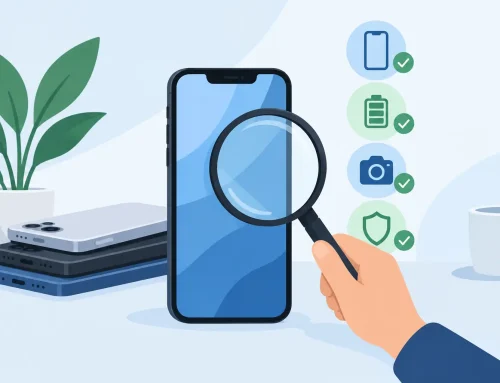
You also want to watch for frame damage, weak cameras, speaker issues, charging port wear, bad Face ID or fingerprint sensors, and signal problems. A used phone is only worth buying when the important functions are working as expected.
Then there is the account and network side. Activation lock, Google account lock, blacklisting, unpaid contract history, or region-related limitations can turn a cheap phone into a useless one. This is why source matters so much.
How to tell if a used phone is worth the price
Start with the model itself. Check how old it is, how long it will still receive software updates, and what similar units are selling for in your market. A phone can be cheap and still be poor value if support is ending soon or if parts are harder to replace.
Then look at condition in practical terms, not just labels like excellent or good. Cosmetic wear is one thing. Functional issues are another. Light marks on the frame may be fine if the screen, battery, cameras, and buttons all work properly. A cleaner-looking unit with hidden faults is the worse buy.
Battery condition deserves separate attention. On some phones, battery health can be checked directly in the settings. On others, it may need testing through diagnostics or real use. If battery capacity has dropped heavily, the price should reflect that.
Storage also matters more than many buyers expect. A used phone with higher storage can be the better long-term purchase, especially if you keep lots of photos, videos, games, or offline content. Paying slightly more for 256GB instead of 128GB can be smarter than buying the cheapest unit and running out of space.
Finally, compare the used price against a new alternative honestly. If a used phone costs too close to a new one, the used listing loses its edge. The discount needs to be enough to justify the age and wear.
What a reliable seller should already be checking
A good used phone seller should reduce your risk, not pass all the checking onto you. At minimum, the device should be tested for display condition, touch response, battery performance, charging, cameras, speakers, microphone, buttons, Wi-Fi, Bluetooth, cellular signal, and biometric features if supported.
The seller should also verify that the phone is not account-locked and can be activated normally. Clear information on condition, storage, color, and whether it is a local set or otherwise market-compatible helps buyers make faster decisions with less guesswork.
This is where buying from an established retail shop can be very different from buying from a random individual listing. When a business inspects stock, offers transparent condition details, and lets customers test in person, the used buying process becomes much more practical. That is one reason many Singapore buyers prefer to view and test pre-owned devices before paying.
Are used phones worth buying from a store or a private seller?
It depends on what matters more to you – the absolute lowest price or lower purchase risk.
A private seller may offer a cheaper deal. If you know exactly what to check and are comfortable spotting problems, that can work. But private sales usually come with less recourse if something goes wrong after the handoff.
A retail seller will often price slightly higher, but the extra cost can be justified if the phone has been inspected, listed clearly, and made available for testing. For many buyers, especially those purchasing a main daily phone, that extra peace of mind is worth paying for.
At a shop like Gadget Affair, the appeal is straightforward: buyers can compare stock, check condition, and look at practical details before deciding. That makes more sense than gambling on a vague listing with limited testing.
Who should buy used, and who should buy new?
Used phones are a strong fit for students, budget-conscious buyers, parents buying for kids, and users who care more about value than owning the latest release. They also suit shoppers who want better specs for the money and are happy to accept minor cosmetic wear.
A new phone may be the better choice if you want maximum battery life, full manufacturer coverage, pristine condition, or the latest model cycle. It also makes sense if the new device is on a strong promotion and the used discount is too small.
If you upgrade often, used can still be a smart route because you reduce the initial hit. If you keep phones for many years, then software support life becomes more important, and you should be more selective about how old a used model you buy.
The smart way to answer the question
So, are used phones worth buying? Yes – when you buy based on condition, battery health, testing, and real market value instead of just the lowest price.
The best used phone deals are not the cheapest listings. They are the ones that still have solid battery performance, clean functionality, fair pricing, and a seller who is upfront about what you are getting. If the phone has been checked properly and the savings are meaningful, buying used is not settling. It is simply buying smarter.
If you are comparing options, slow down for five extra minutes and judge the actual unit, not just the headline price. That is usually where the good deal shows itself.