A two-year-old flagship phone can now cost less than a new mid-range model while still delivering a better camera, faster processor, and premium build. That is why used device market trends matter to buyers who want more value without taking unnecessary risks. The pre-owned market is no longer only for people looking for the lowest price. It has become a practical option for students, working adults, families, and frequent upgraders who know what they need and what they are willing to pay for.
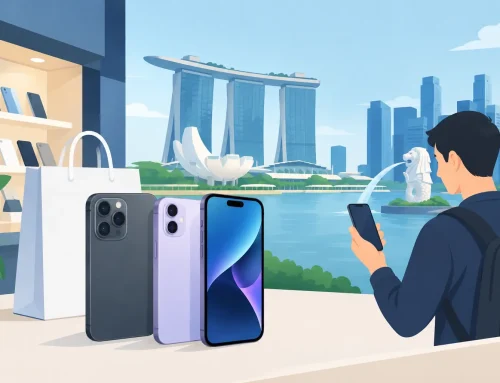
For buyers in Singapore, choice is improving across iPhone, Samsung Galaxy, Google Pixel, Xiaomi, Oppo, and other popular brands. At the same time, device condition, battery health, warranty coverage, and local set status make a real difference. A cheap listing is not always a good deal if the phone has hidden repair issues, poor battery life, or limited support.
Used Device Market Trends Driving Demand
The biggest shift is simple: new phone prices have stayed high, while annual upgrades have become less necessary. Many recent devices remain fast enough for messaging, work apps, streaming, mobile games, contactless payments, and everyday photography for several years. A buyer does not always need the newest release to get a good experience.
This has increased demand for previous-generation flagships. An iPhone Pro model from one or two years ago, a Samsung Galaxy S-series phone, or a Google Pixel can offer features that are still ahead of many entry-level new phones. These include better cameras, brighter screens, water resistance, wireless charging, and more capable processors. The trade-off is that older models have less remaining manufacturer software support and may show more wear.
Demand is also stronger for devices in clean, ready-to-use condition. Buyers are less interested in taking a gamble on an untested phone from an individual seller. They want clear storage details, an honest condition grade, a working display, tested cameras, functioning speakers, and a battery that can handle a normal day. That preference benefits established retailers that inspect devices before resale and allow customers to test a unit in person.
Another clear trend is the growth of trade-ins. More customers now see an old phone as part of the budget for the next one. Instead of leaving an unused device in a drawer, they trade it in to reduce the cost of an upgrade. This keeps more usable phones circulating and gives buyers more choices at different price points.
Why Pricing Can Vary So Much
Two used phones with the same model name can have very different prices. Storage capacity is one reason. A 256GB version is usually worth more than a 128GB version, especially for users who store photos, videos, games, or work files on their phones. Color can affect demand slightly, but condition and storage normally matter more.
Battery condition is another major factor. Batteries naturally lose capacity over time, and a phone that needs frequent charging is less convenient even if it looks almost new. For iPhones, battery health provides a useful starting point. For Android phones, buyers should pay attention to real-world charging behavior, heat, and whether the battery drains unusually fast. Battery wear does not automatically make a device a poor buy, but the price should reflect it.
Repair history also affects value. A phone with an original display and original camera modules may command a higher price than one with third-party replacement parts. This does not mean every repaired device should be avoided. A properly repaired phone can still be a sensible value purchase. The key is disclosure. Buyers should know what was repaired, whether functions such as Face ID, fingerprint recognition, cameras, and water resistance are affected, and whether the price accounts for that history.
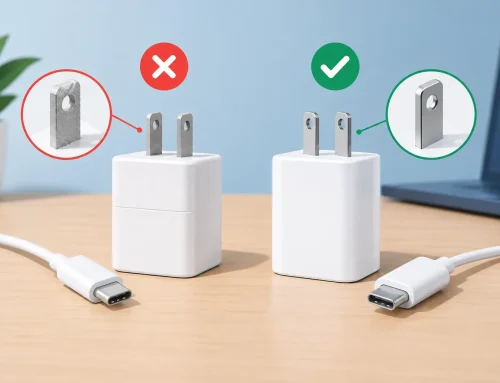
Local set status matters as well. A local set is generally easier for buyers who want compatible features, local warranty coverage where applicable, and fewer questions about region-specific limitations. Imported sets can be attractive when priced lower, but buyers should confirm network compatibility, eSIM support, warranty terms, and whether the device is suitable for daily use in Singapore.
What Holds Value Best in the Used Market
Apple devices tend to hold resale value well because demand stays consistent across several generations. Older iPhones are familiar to buyers, receive software updates for years, and have a broad accessory ecosystem. That does not mean every iPhone is automatically the best value. A lower-priced older model may have limited battery health or less storage, so the full condition still matters.
Samsung flagship phones also retain demand, particularly the Galaxy S and Galaxy Z ranges. Buyers often look for their displays, cameras, stylus support on selected models, and strong performance. Foldable devices deserve extra care during inspection because the inner screen, hinge, and crease area are more specialized than a standard phone display. A foldable with a smooth hinge and clean inner screen can be a good buy. One with display lines, lifting screen protectors, or hinge resistance needs closer evaluation.
Google Pixel phones attract buyers who prefer clean Android software and computational photography. Their resale value can vary more by model and local demand, which can create good opportunities for value-focused shoppers. Xiaomi, Poco, Oppo, Realme, Honor, and Nothing devices can also offer strong specifications for the price, especially when a buyer prioritizes screen size, charging speed, gaming performance, or high storage capacity over brand resale value.
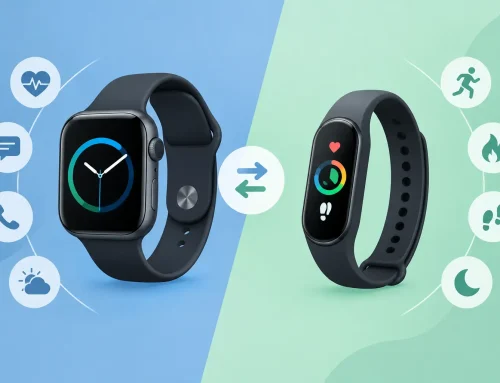
Tablets, smartwatches, earbuds, and gaming-related devices are part of the market too. Their value depends heavily on accessories and account status. A tablet without its charging cable may still be usable, but a smartwatch locked to another account is not. For wireless earbuds, hygiene, battery condition, and charging case function deserve as much attention as sound quality.
How to Buy a Used Phone Without Guesswork
Start with your actual usage. If you mainly use WhatsApp, social media, banking apps, navigation, and web browsing, a recent mid-range phone or older flagship may be more than enough. If you shoot video, play demanding games, edit content, or rely on your phone for work, prioritize processor performance, battery condition, storage, and camera quality.
Then compare the total value, not just the sticker price. A slightly higher-priced phone that has been checked, includes a warranty period, and can be tested may be a safer purchase than a cheaper unit with no return option. The best deal is the device that works properly, fits your needs, and does not create another expense a week later.
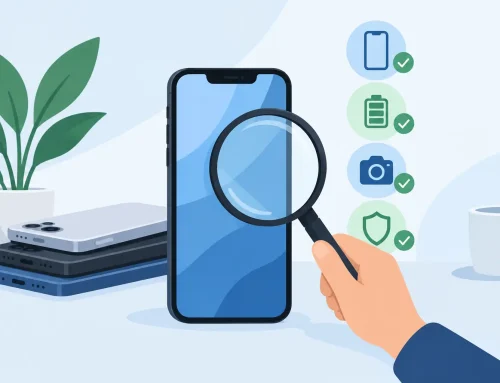
Before paying, check the basics carefully:
- Confirm the exact model, storage capacity, RAM configuration where relevant, and supported SIM or eSIM setup.
- Inspect the screen under bright light for dead pixels, burn-in, deep scratches, touch issues, or display discoloration.
- Test the cameras, microphone, speakers, buttons, charging port, Wi-Fi, Bluetooth, and biometric unlock feature.
- Make sure activation lock, Find My, Google account protection, and any carrier lock have been removed.
- Ask about battery condition, repair history, included accessories, warranty terms, and exchange policy.
For an in-person purchase, take a few minutes to test the device yourself. Gadget Affair’s used-device checks and in-store testing option are useful for buyers who want to see the actual unit before deciding. This is especially worthwhile for premium phones, foldables, tablets, and wearables, where small condition differences can affect value.
Trade-Ins Are Changing Upgrade Decisions
Trade-ins are making the used market more active because they reduce the cash gap between old and new devices. The condition of the trade-in still determines the offer. A phone with a cracked display, weak battery, damaged camera, or account lock will receive less value, and in some cases may not qualify for resale.
If you plan to trade in, keep the original box and accessories if possible, protect the screen and camera lenses, and avoid delaying necessary repairs. Before handing over the phone, back up your data, sign out of accounts, remove eSIMs where required, and reset the device only after confirming the transfer process. These simple steps protect your information and make the transaction smoother.
The market will continue to reward buyers who shop by condition and purpose rather than chasing the newest model. A well-checked used device can stretch your budget further, while a fair trade-in can make your next upgrade easier to justify. Take the time to test, compare, and ask direct questions – the right device is the one that is ready for your everyday use at a price that makes sense.