A phone can be fast, have a good camera, and still feel like every other slab in your pocket. That is the reason people search for a “nothing phone review singapore” before buying. Nothing phones stand out with transparent-style backs, Glyph lights, and clean-looking software, but the real question is simpler: do they give you enough value for the money compared with Samsung, Xiaomi, Google, or a used flagship?
For most buyers, the answer depends on which Nothing model you are considering, whether you prioritize camera results or design, and whether you are buying a local set with proper support. The brand has a clear identity, but it is not automatically the best choice for every budget.
Nothing Phone Review for Singapore Buyers
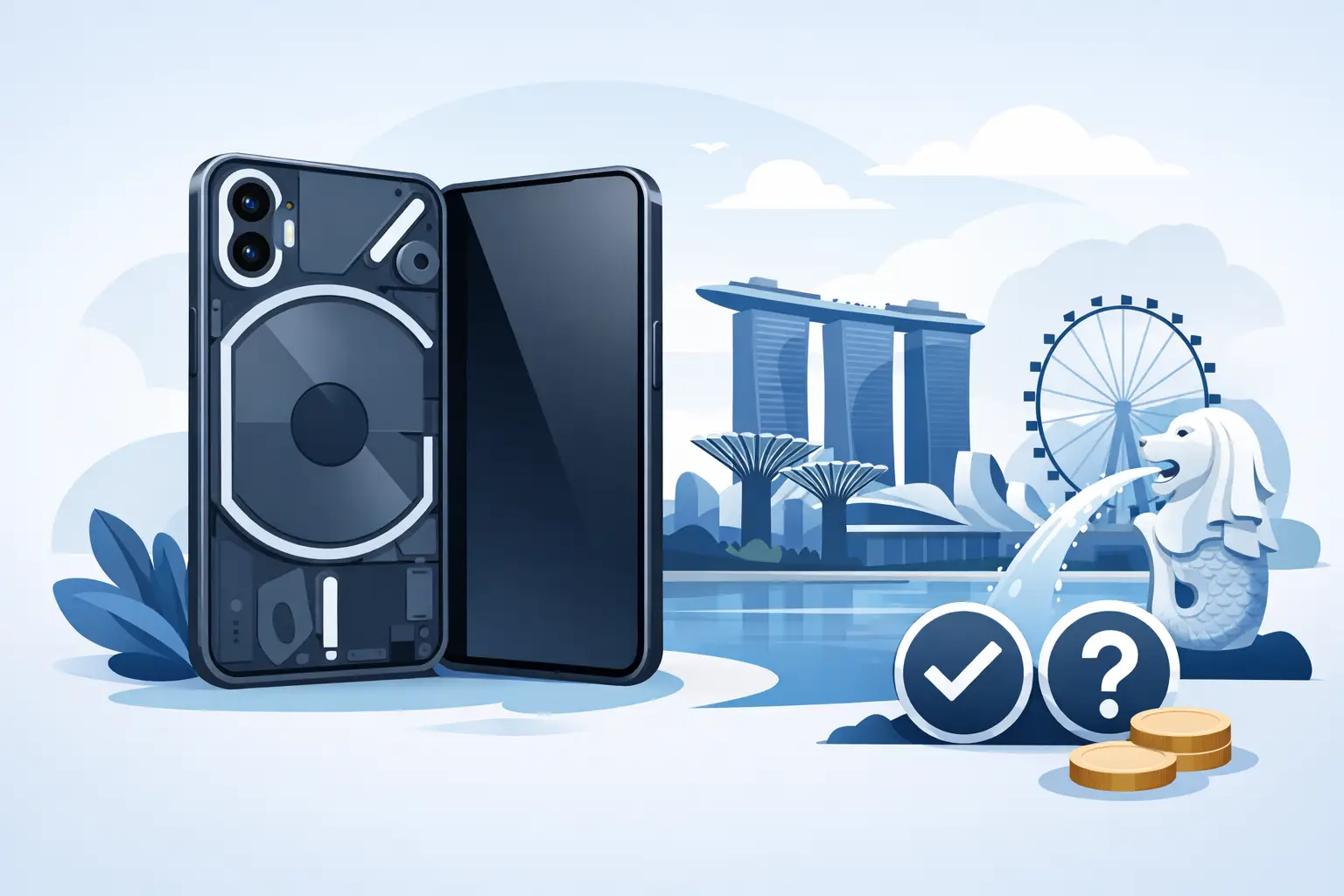
Nothing has built its appeal around being different without being complicated. The Glyph Interface on the rear uses light strips for notifications, timers, charging status, and selected app alerts. It is a conversation starter, but it is also more useful than it first sounds. If your phone is face down during class, at work, or on a table, you can see that something needs attention without constantly lighting up the display.
Still, buy a Nothing phone because you like the full package, not only the lights. The strongest reasons are usually the clean Nothing OS interface, solid screen quality on higher models, decent everyday performance, and a design that does not look copied from every other Android phone.
The trade-off is that Nothing is not always the best specs-per-dollar option. Brands such as Xiaomi, Poco, and Infinix can sometimes offer more RAM, faster charging, or a larger battery for a similar price. Samsung and Google may offer more consistent camera processing and a stronger long-term service reputation. Nothing sits in the middle: distinctive, capable, and generally well-balanced, but not the automatic winner in every category.
Which Nothing Phone Makes Sense?
Nothing’s lineup usually splits into three buying levels: its main Phone series, more affordable A-series models, and CMF by Nothing options. The right one comes down to how much performance and camera quality you actually need.
The main Phone series
The standard Nothing Phone models are for buyers who want a premium-feeling Android device without moving into the highest flagship price tier. Expect better display brightness, stronger processors, more refined materials, wireless charging on selected models, and a more capable camera setup than the budget range.
This is the safer choice for young professionals, heavier social media users, and anyone keeping a phone for two to three years. It handles messaging, work apps, maps, video calls, photos, streaming, and casual gaming comfortably. Higher storage variants are worth considering if you shoot a lot of video, download games, or keep large WhatsApp and Telegram media folders.
The A-series and value models
The more affordable Nothing models keep the recognizable design language while cutting back in areas such as chip performance, camera hardware, charging speed, or premium materials. That is not necessarily bad. For students and everyday users, a lower-priced Nothing phone can be a better buy than paying extra for performance that will never be used.
Just be realistic about expectations. Budget models are good for daily apps, browsing, music, contactless payments where supported, and light gaming. They may be less ideal for demanding games, extensive video editing, or low-light photography. If the price gap to a stronger model is small during a sale, spending a little more can give you better value over time.
CMF by Nothing
CMF devices are aimed more directly at value shoppers. The designs are often playful, the accessories are a major part of the appeal, and the pricing is usually more aggressive. They are worth a look if you like Nothing’s clean software approach but do not need the full Glyph experience or premium construction.
Daily Performance and Nothing OS
Nothing OS is one of the main reasons to consider the brand. It is clean, easy to navigate, and avoids the overloaded feel that some Android interfaces can have. The monochrome visual style will not be for everyone, but it is simple to read and easy to organize. You can still use normal colorful icons and customize the home screen if you prefer a less minimalist look.
For everyday use, the experience feels responsive when the phone has enough RAM and a capable processor. Apps open quickly, scrolling is smooth, and the interface does not bury you under duplicate apps or constant promotional notifications. That matters more than a benchmark score for many users.
Gaming performance depends heavily on the model. A main Phone-series device is more suitable for Mobile Legends, PUBG Mobile, Call of Duty Mobile, and similar titles, while cheaper models are better for casual play with sensible graphics settings. If gaming is your main reason for upgrading, compare the specific chipset, cooling, RAM, and storage configuration before deciding.
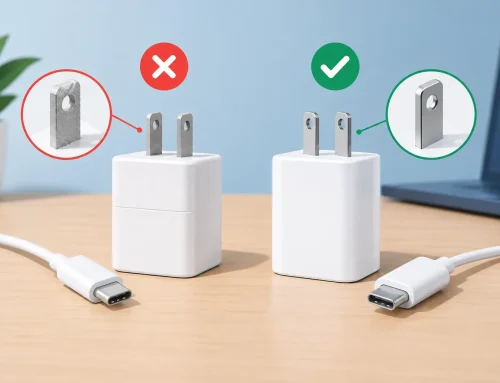
Battery life is generally practical for a full day of typical use, but heavy hotspot use, gaming, navigation, and high screen brightness will change that quickly. Also check what is included in the box. Some phones do not come with a charging brick, so factor in the cost of a suitable USB-C charger if you do not already own one.
Camera Quality: Good, Not Magic
Nothing phones can take attractive photos in daylight. Colors are usually balanced, portraits can look clean, and the camera app is straightforward. For photos of food, documents, pets, travel, and daily moments, most users will be happy with the results.
Night photography is where expectations need to be more measured. Higher-end models perform better, but Nothing does not always match the most expensive Samsung, Apple, or Google phones for consistency in difficult lighting. Moving subjects, indoor scenes, and bright signs against dark backgrounds are the situations where processing differences show up.
If you care most about camera reliability, compare actual photos from the exact model you want. Do not judge an entire brand based on one review of another model. A budget Nothing phone and a newer main-series phone can produce very different results.
What to Check Before Buying in Singapore
A local set matters. It helps reduce uncertainty around warranty coverage, supported network bands, software region, and after-sales options. Before you pay, confirm the exact model number, storage capacity, RAM configuration, color, and whether the device is new or pre-owned.
For a used Nothing phone, inspect the display for burn-in, scratches, dead pixels, and uneven brightness. Test the cameras, speakers, microphones, buttons, USB-C port, fingerprint sensor, Wi-Fi, Bluetooth, and SIM connectivity. The Glyph lights should also be checked, since they are part of what you are paying for.
Ask about battery condition if the device is pre-owned. A clean body does not always mean a healthy battery. It is also smart to check whether the original box, cable, case, and charger are included, although accessories should not outweigh the condition of the phone itself.
At Gadget Affair, buyers who prefer to see a pre-owned device before committing can inspect and test it in person. That is especially useful when comparing a used higher-tier Nothing Phone against a brand-new budget device from another brand.
Who Should Buy a Nothing Phone?
A Nothing phone is a good fit if you want an Android device that feels fresh, prefer cleaner software, and value design without paying top flagship prices. It also works well for users who want a phone that is easy to use daily but does not look generic.
It may not be the best fit if you want the absolute strongest gaming performance for your budget, the most dependable low-light camera, the fastest charging available, or the widest repair and accessory ecosystem. In those cases, a Poco gaming model, a Samsung Galaxy device, a Google Pixel, or a used flagship could be the smarter comparison.
Before deciding, compare the actual selling price, storage tier, local warranty status, and condition against alternatives on the same day. If the Nothing phone still gives you the features you will use and you genuinely like its software and design, that is usually a better reason to buy than chasing a spec sheet number you will never notice.