A cheap SIM can stop feeling cheap the moment you realize the data is throttled, the plan expires in seven days, or your phone cannot use it. Buying a prepaid SIM card online is convenient, but the product listing needs more than a big data number and a low price. The right choice comes down to your phone, your coverage area, and how you actually use mobile data.
Prepaid plans are a practical fit when you want control over spending. There is no long contract, no surprise overage bill, and no need to keep paying for a line you no longer use. That said, not every prepaid option works the same way. A little checking before checkout can save you from paying twice for the plan you really need.
What You Are Actually Buying
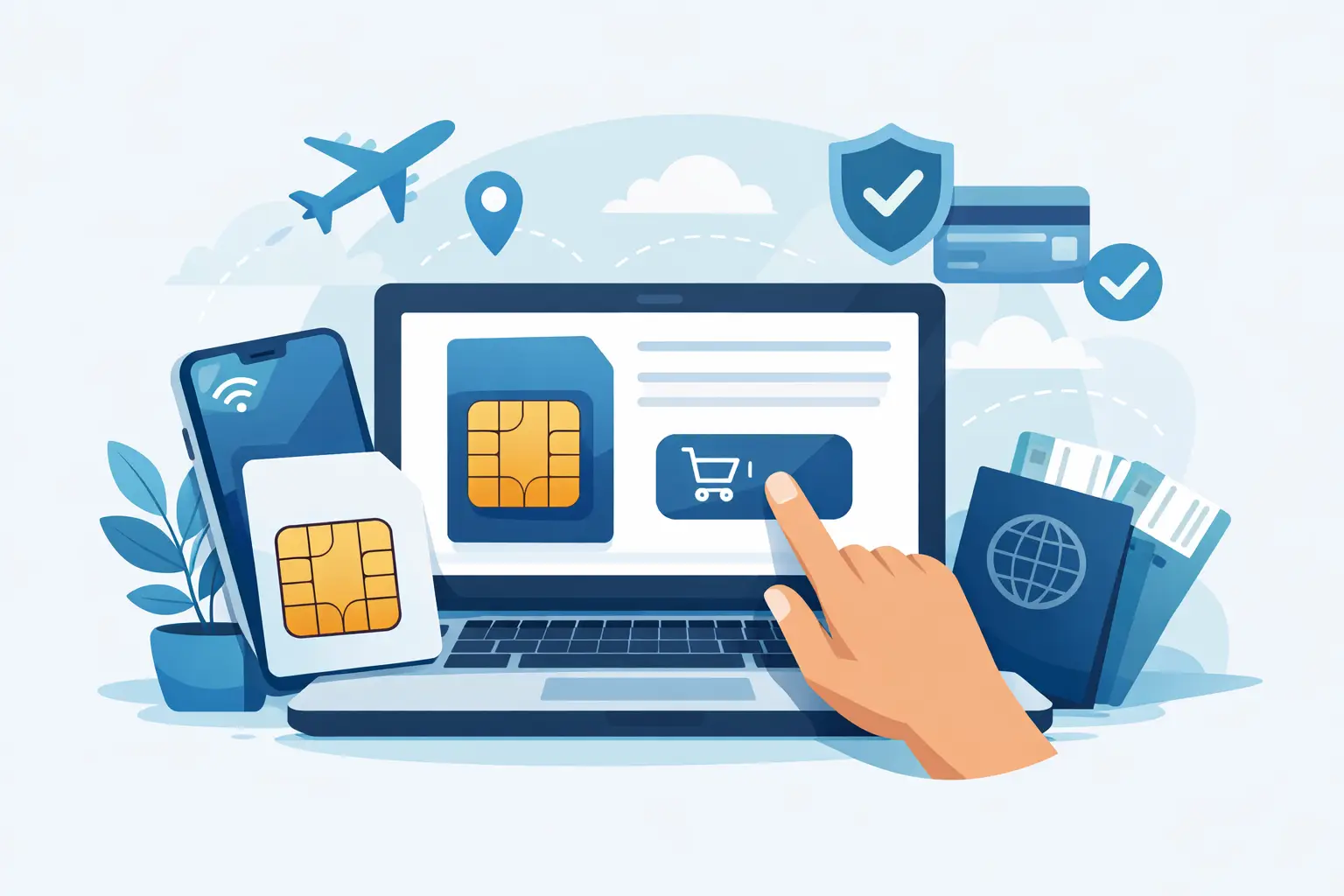
A prepaid SIM is a card or digital profile that connects your phone to a mobile network after you pay for service in advance. Depending on the seller and plan, your order may include a physical SIM card, an eSIM activation code, or both options.
The SIM itself is only one part of the purchase. The real value is in the plan attached to it: how much high-speed data you get, how long it lasts, whether calls and texts are included, and whether you can renew it easily. Do not assume a card labeled “unlimited” gives you unlimited fast data. Many plans offer a set amount of high-speed data before speeds are reduced.
For a primary phone number, reliability matters more than saving a few dollars upfront. For a backup phone, tablet, hotspot, or short trip, a lower-cost plan with a shorter validity period may make perfect sense. Buy for the job, not just the headline price.
How to Buy a Prepaid SIM Card Online
Start with the phone in your hand. The best plan on paper is still the wrong plan if your device is carrier-locked or does not support the network’s required bands.
Confirm Your Phone Is Unlocked
An unlocked phone can generally use SIM cards from different compatible carriers. A phone purchased directly from a carrier may be locked to that carrier, particularly if it is still being financed or has not met its unlock requirements.
Check your device settings, your original purchase details, or contact the current carrier before ordering. Do not rely on the fact that a phone has a SIM tray. A SIM tray only confirms that it accepts a physical card, not that it can join every network.
If you are buying a used phone, ask about lock status before pairing it with a new plan. A clean, unlocked device gives you far more flexibility when comparing prepaid options.
Choose Physical SIM or eSIM
A physical SIM is the familiar small card inserted into your phone. It is a good option for older phones, many budget models, and anyone who prefers a simple card swap. Delivery time matters here, so check when the card will arrive before you need service.
An eSIM is a digital SIM installed by scanning a QR code or following an activation process in your phone settings. It can be useful when you need service quickly or want to keep a second line on the same device. However, eSIM support varies by phone model and region. Some phones support eSIM only, while others support one physical SIM and one eSIM.
If you are moving your existing number, check that the plan supports number transfer. Keep your current service active until the transfer is complete. Canceling your old line too early can make the process harder.
Check Coverage Where You Actually Go
Network names are less useful than coverage at your home, workplace, school, and regular commute. A carrier can perform well in one part of town and poorly in another. Look at the coverage information for your address or ZIP code, then consider the places where you spend most of your week.
Indoor coverage deserves attention too. If you work in a large building, live in a high-rise, or spend time on campus, ask people around you which networks work reliably there. Real-world experience is often more useful than a map alone.
If you travel often, check domestic roaming, international roaming, and data availability before buying. Some prepaid plans are great for local use but have limited travel options. That is not a flaw if it matches your needs, but it is an expensive surprise if it does not.
Compare the Plan Details, Not Just the Data Number
Prepaid listings can look similar until you read the finer details. Give each plan a quick, practical comparison before placing your order. Focus on these points:
- High-speed data allowance: Find out how much data is available at normal speeds and what happens after you reach the limit.
- Plan validity: A 30-day plan, a monthly recurring plan, and a 365-day plan are very different products, even when the data amount looks similar.
- Calls, texts, and hotspot use: Check whether these are included and whether hotspot data has a separate cap.
- Renewal cost: An introductory price is useful, but the regular refill price matters if you plan to keep the line.
- Taxes and activation fees: The checkout total is the number that counts, not the price printed in the product image.
For many users, data is the deciding factor. A student who mainly uses campus Wi-Fi may need very little mobile data. A delivery driver, commuter, or person using a phone as a work hotspot needs a plan with enough high-speed data and dependable coverage. Streaming video, video calls, social media uploads, and cloud backups can use more data than expected.
It also helps to look at your current phone usage before switching. Most phones show monthly cellular data use in the settings menu. Use your normal month as a starting point, then add a buffer if you expect to travel or rely less on Wi-Fi.
Understand Activation and Registration Requirements
Online ordering does not always mean instant service. Physical SIMs need to arrive first, while eSIM plans may still require identity verification, payment confirmation, or a scheduled activation date. Read the activation instructions before you remove your existing SIM or reset your phone.
Some countries and carriers require identification to register a prepaid line. Have the requested documents ready, and use the exact name and details required by the provider. If the plan is intended for travel, check whether registration must be completed before departure or after arrival.
Once active, test calling, texting, and mobile data while you still have access to Wi-Fi. Send a text, make a short call, and open a webpage with Wi-Fi turned off. If data does not work, the issue is often a setting that can be corrected quickly, such as mobile data being disabled or an incorrect network profile.
Keep the order confirmation, SIM packaging, activation PIN, and account details somewhere safe. You may need them later to refill the plan, recover your number, or get support.
Common Mistakes That Cost More Than They Save
The most common mistake is buying based on price alone. The next is buying more data than you can use. Both are avoidable.
Do not confuse “unlimited data” with unlimited high-speed data, and do not assume a travel SIM includes service everywhere you plan to visit. Also avoid ordering a physical SIM at the last minute if you need your line on a specific day.
Another easy miss is plan expiration. Some prepaid balances, top-ups, and promotional data expire separately. A plan may show a long account validity period while its bonus data lasts only a few days. Read the terms attached to every included benefit.
Finally, be careful with unknown sellers offering unusually low prices. Look for clear plan details, stated validity, activation instructions, and a way to get help if the SIM does not work. Vague listings are not a bargain when you cannot confirm what network, data allowance, or support you are receiving.
Pick the Plan That Fits Your Use
For light use, a smaller data plan with a longer validity period can be the best value. It keeps a number active for calls, texts, authentication codes, and occasional maps without paying for data you will not use.
For everyday use, prioritize your local network coverage and enough high-speed data for your regular habits. A slightly higher monthly price is usually worth it if the line works well during your commute and in the places that matter.
For travel, choose based on destination coverage, activation timing, and whether you need a local phone number or data only. An eSIM can be convenient, but a physical SIM remains a smart choice for phones without eSIM support or travelers who want a simple replacement card.
Before you press buy, take two minutes to confirm phone compatibility, coverage, data speed limits, and plan validity. That small check is what turns a prepaid plan into a useful everyday tool instead of another item you need to replace next week.