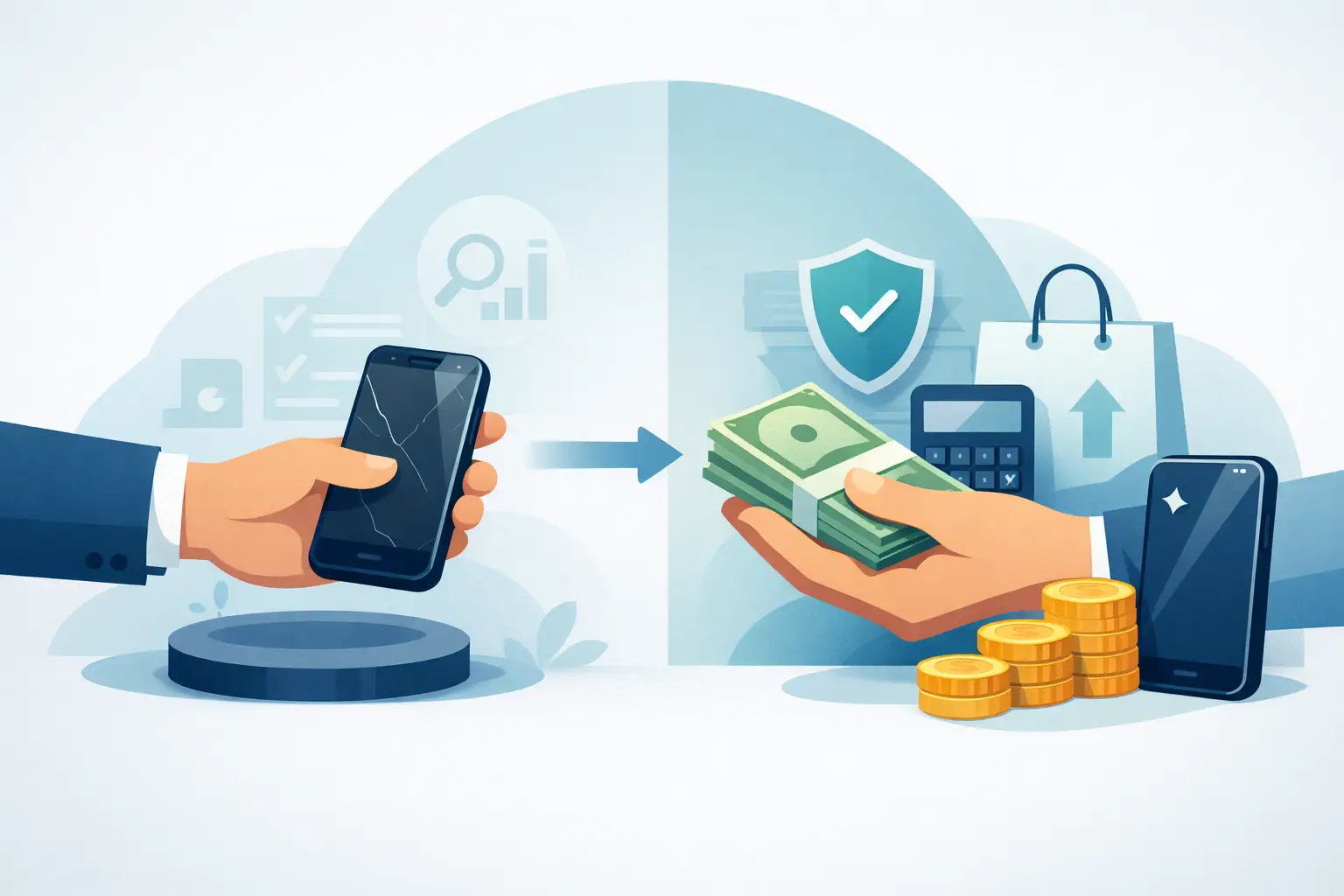
That old phone in your drawer may still be worth more than you think. A buy back service gives you a practical way to turn an unused device into cash or credit toward your next phone, instead of letting it lose value month after month. The key is knowing what buyers check, what affects the quote, and how to hand over your device safely.
For most people, a buy back makes sense when an upgrade is already on the cards. You get a clear value for your current device, reduce what you need to spend on the next one, and avoid the hassle of dealing with unreliable buyers yourself. It is simple, but the offer is never based on model name alone.
What a Buy Back Service Actually Checks
A proper buy back service evaluates both the device’s resale value and its real condition. A newer, popular phone with useful storage capacity will usually command more than an older model, but condition can change the final offer quickly.
The first check is usually the exact model, storage variant, and connectivity version. For example, a higher-storage iPhone, Samsung Galaxy, Google Pixel, or Xiaomi model may be worth more than the base version because it remains more useful to the next owner. Local market demand matters too. A model that still has strong software support, good battery life, and readily available parts is generally easier to resell.
Next comes physical condition. Light signs of use are normal, especially on a device that has lived in a pocket or bag every day. Deep dents, cracked glass, camera lens damage, screen burn-in, or signs of water exposure can reduce the offer because they affect repair cost and resale confidence.
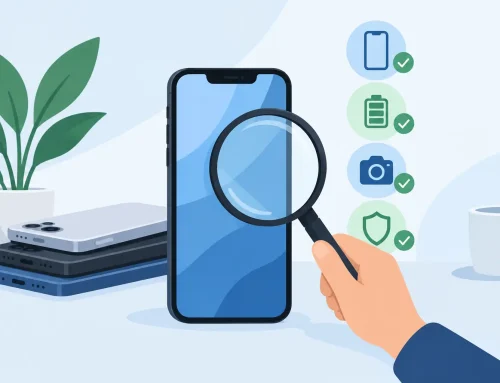
Functionality matters just as much. A buyer will typically check the display, touchscreen, cameras, speakers, microphones, charging port, buttons, biometric security, Wi-Fi, Bluetooth, and mobile network connection. A phone that looks clean but has an unreliable charging port is not in the same category as a fully working device.
Battery health can also influence the value. You do not need a perfect battery for a buy back, but a battery that drains unusually fast, shuts down unexpectedly, or shows a service warning may bring down the quote. Be upfront about it. An honest assessment saves time for everyone.
Why Your Quote May Differ From an Online Estimate
Online estimates are useful for setting expectations, but they are usually based on the assumption that the device is fully functional and in decent condition. The final inspection is where the actual value is confirmed.
A quote can change if the phone has an undisclosed fault, a replaced screen of uncertain quality, missing functions, or a lock that prevents the next owner from using it. Cosmetic wear can matter too, though not every small scratch will have a major impact. The difference depends on how visible it is and whether the device can still be presented and sold with confidence.
Accessories may help in some cases, especially if you still have the original box, cable, or a high-quality charger. However, the phone itself carries most of the value. Do not hold off on selling a device simply because you cannot find the box. A complete, working handset is the main thing buyers want.
Timing is another factor people often miss. Phone values usually drop after a new generation launches, especially for premium models. Selling before the next major release can sometimes mean a better return. On the other hand, if your current phone is still doing the job and your preferred replacement is not on sale yet, waiting may be the better decision. The best time depends on the gap between your phone’s falling value and the deal you can get on the next device.
Buy Back vs. Selling It Yourself
Selling directly to another person may sometimes get you a higher price. It also means taking photos, writing listings, answering lowball messages, arranging meetups, and dealing with buyers who change their minds at the last minute. There is also more risk when you are handling payment, account removal, and handover on your own.
A buy back service is usually the better option when speed, convenience, and a straightforward transaction matter more than squeezing out every last dollar. You know where you are going, the device is inspected, and you can move on to your next purchase without waiting days or weeks for a private buyer.
For a device with visible wear or a minor issue, a buy back can be especially useful. Private buyers often expect a near-perfect phone at a bargain price. A professional evaluator can assess the actual condition and make an offer based on what is realistically repairable or resellable.
Prepare Your Phone Before You Bring It In
The most valuable step is protecting your personal data. Back up anything you want to keep before you erase the phone. This includes photos, messages, contacts, notes, authenticator apps, and files stored only on the device. If you are moving to a new phone, complete the transfer first and check that your important accounts are working on the replacement.
Then sign out of your accounts and remove any activation locks. On iPhones, this means turning off Find My and signing out of your Apple Account. On Android phones, remove your Google account and make sure Factory Reset Protection will not block setup for the next user. A phone that remains activation-locked cannot be properly resold, so this is not a step to leave until later.
After that, erase the device through its factory reset settings. Remove your SIM card and any memory card if your phone uses one. Give the phone a quick clean with a soft, dry cloth so its condition can be assessed properly. Do not use harsh cleaners, and do not try to hide damage with a case or screen protector. Clear condition reporting leads to a faster, fairer conversation.
Before leaving home, test the basics yourself. Make a call, charge the phone, try the cameras, play audio, check the touchscreen, and confirm the fingerprint reader or face unlock works if available. If something is not working, say so from the start. It does not automatically mean the device has no value, but it helps set the right expectation.
When a Trade-In Is Better Than Cash
Cash gives you flexibility. You can keep it, put it toward another phone later, or use it for something completely different. Trade-in credit can be more useful when you already know what you want to buy and want to reduce the upfront cost immediately.
If you are switching to a newer device, compare the final out-of-pocket amount rather than focusing only on the trade-in quote. A strong sale price on the new phone, combined with a fair value for your old one, can be a better deal than a high trade-in offer attached to a higher retail price.
This is where a one-stop store is useful. At Gadget Affair, you can assess your old device while comparing new and used phone options across different brands and price points. If a flagship upgrade is not worth the extra spend for how you use your phone, a verified pre-owned model or a value-focused Android could make more sense.
A Fair Offer Starts With Clear Expectations
Do not assume a cracked screen means your device is worthless, and do not assume a popular logo guarantees top value. The most accurate buy back offer comes from the full picture: exact model, storage, condition, functionality, account status, and current demand.
Bring in a clean, backed-up, unlocked device, be honest about its condition, and compare the offer against what you would realistically get after the time and risk of selling privately. Your old phone has done its job. If it can help pay for the next one, there is no reason to let it sit in a drawer getting older.