Your phone can lose value quickly after launch, but that does not mean it is worthless once you are ready to upgrade. A new phone buy back gives you a direct way to turn an unused or recently replaced device into cash or credit toward your next purchase. The key is knowing what buyers look for before you hand it over.
For most people, the best time to sell is not when a phone stops working. It is when it is still in good condition, still supported by current software, and still wanted by the next buyer. A clean, fully working device with its account removed will always be easier to assess and worth more than one that has been sitting in a drawer for two years.
What Does New Phone Buy Back Mean?
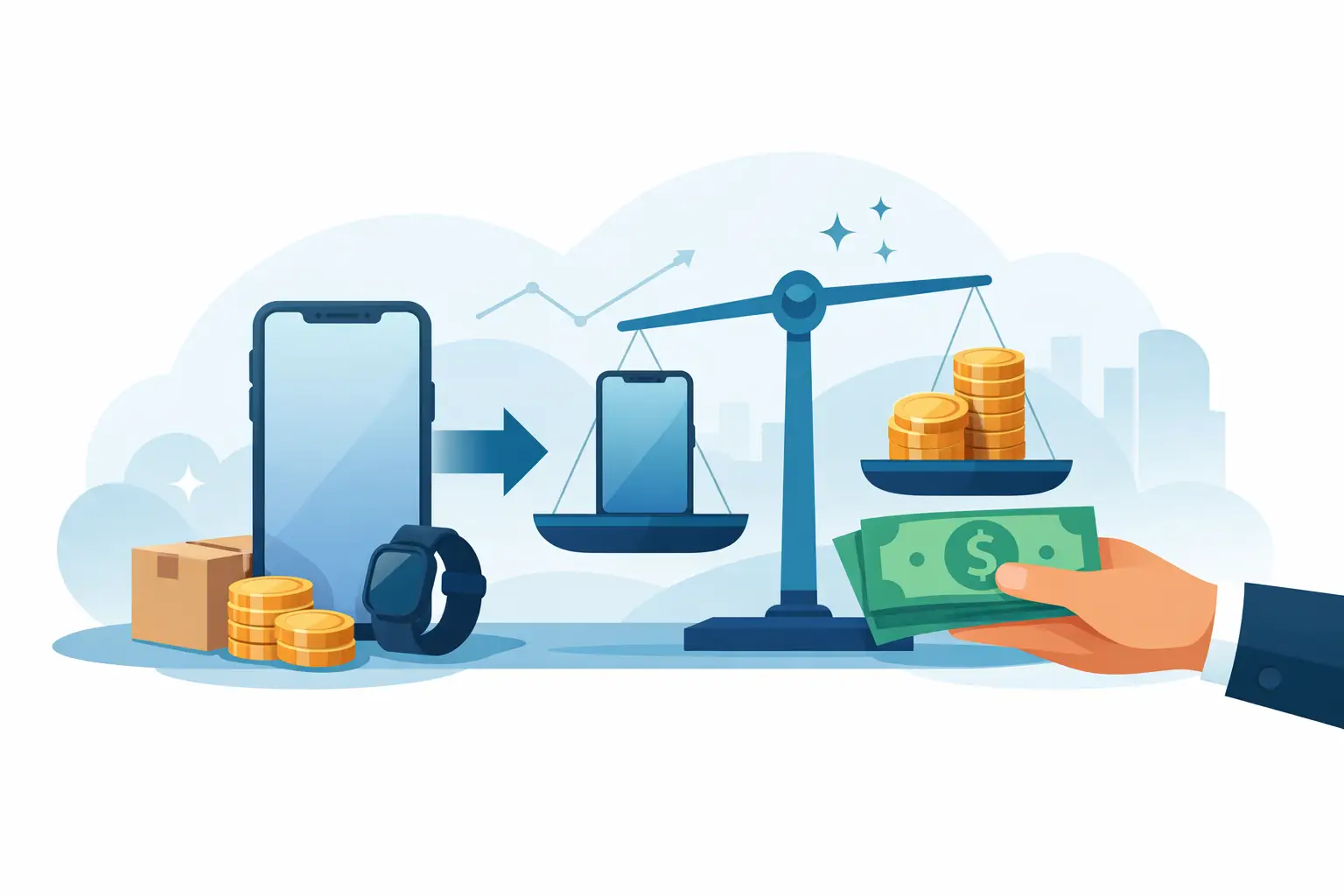
A new phone buy back service purchases phones from customers for an agreed value after checking the device’s model, condition, functionality, and market demand. Despite the name, it is not only for unopened phones. It can include recently purchased phones, lightly used devices, and older models that are still in working order.
The final offer is based on what the phone can realistically be resold for after testing, cleaning, warranty considerations, and current market pricing. This is why two phones with the same storage capacity can receive different offers. One may be spotless with healthy battery performance, while the other has a cracked back, a weak battery, or a screen replacement of uncertain quality.
Buy back is a practical option when you want a quick, clear transaction. Selling privately may sometimes bring in more money, but it also means creating listings, answering messages, meeting strangers, and dealing with buyers who change their minds at the last minute. The better route depends on how much extra effort you are willing to put in.
The Details That Affect Your Phone’s Value
Brand and model are the starting point, not the whole story. Popular Apple, Samsung, Google, Xiaomi, Oppo, Honor, Nothing, and other mainstream models often retain value better because replacement parts, accessories, and buyer demand are easier to find. Storage matters too. A 256GB version generally has stronger resale demand than a base-storage version, especially for phones used for photos, gaming, or work.
Condition is where the price can move significantly. Light signs of normal use are usually less serious than damage that affects daily operation. A few tiny frame marks are different from a cracked screen, a bent chassis, camera focus issues, dead pixels, water damage, or a charging port that only works at a certain angle.
Battery condition also matters. Phones with a worn battery may still be accepted, but a buyer needs to account for the likely cost of replacement. On iPhones, battery health is easy to check in Settings. For Android phones, watch for fast battery drain, unexpected shutdowns, overheating, or a battery that swells the back panel. If anything feels off, be upfront about it.
The phone must also be free of locks and financial issues. A device tied to an Apple ID, Google account, Samsung account, carrier installment plan, or blacklist cannot be properly transferred to a new owner. Removing accounts only after an inspection can slow down the process, so it is better to prepare before you visit.
Box and Accessories Help, but They Are Not Everything
The original box, charging cable, and unused accessories can improve the overall package, particularly for newer models. They are useful, but they do not make up for major damage or account locks. Focus first on the phone itself: screen, cameras, buttons, speakers, microphone, biometric security, charging, network connection, and battery behavior.
How to Prepare Your Phone Before Buy Back
A little preparation protects your personal information and helps make the assessment smoother. Start by backing up everything you want to keep, including photos, messages, authentication apps, notes, and files stored only on the device. Check that your contacts and photos have fully synced before erasing anything.
Next, sign out of your accounts and turn off activation locks. For an iPhone, sign out of Apple ID and disable Find My before resetting the device. For Android, remove your Google account and any manufacturer account, then disable device tracking features. This step is non-negotiable. A phone that remains locked to your account cannot be resold safely.
After that, factory reset the phone. Remove the SIM card and any microSD card, if your model uses one. Give the device a basic clean with a soft cloth, but do not try to hide damage with adhesives, markers, or temporary repairs. A clear condition assessment is better for everyone than a surprise found during testing.
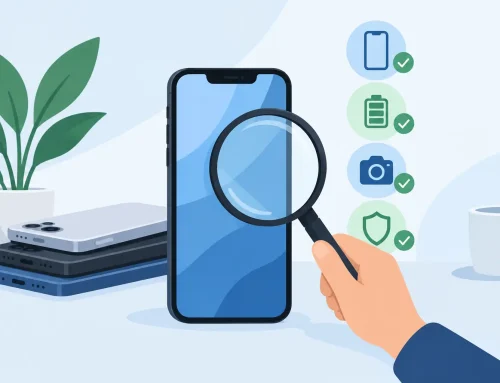
Before you go, test the basics yourself. Make sure the screen responds across all areas, cameras focus properly, Face ID or fingerprint scanning works, and the device can connect to Wi-Fi and charge normally. If you know the phone has an issue, say so early. Honest details make it easier to receive an accurate offer instead of having the quote adjusted after inspection.
Buy Back, Trade-In, or Private Sale?
These options solve different problems. Buy back is usually best when speed, convenience, and a straightforward valuation matter most. You hand over the device after it is checked and avoid the back-and-forth of private selling.
Trade-in makes sense if you are buying another phone at the same time. Rather than receiving the full value as cash, your old device is applied toward the cost of your upgrade. This can be especially useful when moving to a higher-storage model or replacing a phone with a failing battery.
Private sale can work if your device is in excellent condition, you have the original box, and you are prepared to wait for the right buyer. It may deliver a higher headline price, but buyers often negotiate aggressively, ask for extensive proof, or disappear after arranging a meetup. Factor your time and safety into the value, not just the final number.
When Is the Best Time to Sell?
Sell before a major new model launches if resale value is your priority. Once a replacement generation is announced or widely available, prices for the outgoing model often soften as more owners start selling at the same time. This is most noticeable with premium phones that have annual release cycles.
That said, do not rush to sell a phone you still need. The best offer is not useful if you are left without a working device for weeks. Plan the timing around your upgrade, data transfer, and budget. If you are buying a replacement in person, bringing your old phone along can make the switch easier.
What to Expect During an Inspection
A proper assessment should be practical and transparent. The device is checked for its identity and storage version, physical condition, display quality, camera function, battery behavior, network connectivity, charging, speakers, buttons, and account status. The buyer may also check whether the phone has been repaired and whether replacement parts are functioning as expected.
Do not assume a repaired phone has no value. A quality screen or battery repair can still leave a phone perfectly usable. But unofficial parts, poor water resistance after repair, warning messages, or inconsistent performance can affect the offer. This is one area where it pays to be direct rather than hopeful.
At Gadget Affair, customers can bring in devices for an in-person assessment at Burlington Square. That is useful if you prefer to understand the condition check and value before deciding whether to sell or trade in.
A good new phone buy back decision is less about chasing the highest possible number and more about choosing a price that matches the phone’s real condition and the convenience you need. Back up your data, remove your accounts, be honest about wear, and sell while the device still has strong everyday value. Your next phone will cost less, and your old one gets a useful second life.