A phone that has been sitting in a drawer for six months is not becoming more valuable. If you are planning an upgrade, a used phone buy back can turn that old device into credit or cash while it still has demand. The key is knowing what buyers actually check, what affects the final offer, and when a trade-in is worth more than the hassle of selling privately.
For most people, the best deal is not automatically the highest number on a listing. It is the offer that is fair for the phone’s real condition, paid without weeks of messages, no-shows, payment disputes, or last-minute bargaining.
How Used Phone Buy Back Prices Are Set
A buy-back value starts with the basics: exact model, storage capacity, network status, and current resale demand. An iPhone with 256GB storage, for example, generally has a different value from the same model with 128GB. The same applies to Android phones, where RAM, storage, processor variant, and whether the device is a local set can affect demand.
Age matters, but condition often matters just as much. A two-year-old phone with a clean screen, healthy battery, working cameras, and no repair history can be a better buy-back candidate than a newer phone with a cracked display or unreliable charging port.
The market also moves quickly. A new flagship launch may lower values for the previous generation, while a popular midrange model can hold its price well if stock is limited and buyers are actively looking for it. That is why an old quote should be treated as an estimate, not a guarantee. The phone needs to be checked before a final value can be confirmed.
What a Buyer Will Usually Check
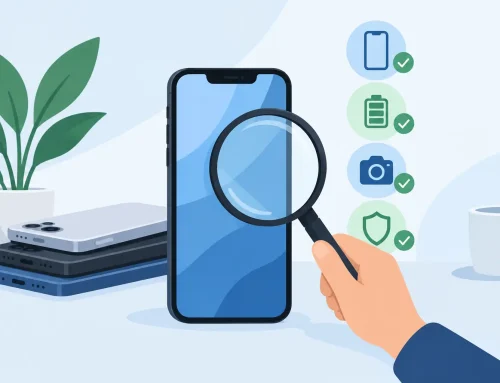
A proper assessment should look beyond whether the phone turns on. Expect checks on the display, touchscreen response, cameras, speakers, microphone, buttons, charging port, Wi-Fi, Bluetooth, mobile network connectivity, and biometric features such as Face ID or fingerprint recognition.
Cosmetic condition is also part of the price. Light signs of normal use are different from deep dents, chipped glass, screen burn-in, water damage, loose buttons, or a bent frame. Be honest about these issues from the start. It saves time and makes the quote more accurate.
Battery health is especially relevant for older smartphones. A battery that drains unusually fast, shuts down unexpectedly, or has been flagged for service may reduce the offer. That does not necessarily make the phone unsellable, but it changes what the next owner may need to spend after purchase.
Prepare Your Phone Before You Sell It
The fastest way to delay a trade-in is to arrive with accounts still locked to the device. Your personal data matters more than the sale, so take a few minutes to prepare the phone properly before handing it over.
First, back up anything you want to keep. Photos, messages, contacts, authenticator apps, notes, and chat histories can be difficult or impossible to recover once the device has been erased. If you are moving to a new phone, confirm that your data has transferred successfully before resetting the old one.
Next, sign out of your Apple ID, Google account, Samsung account, and any other device-linked services. Turn off Find My iPhone or Find My Device. Activation Lock, Factory Reset Protection, or an account lock can prevent a buyer from reselling the device and will usually stop the transaction until it is removed.
Then remove your physical SIM card and any memory card. If you use an eSIM, check with your carrier or review your device settings so your mobile plan is not left active on the old handset. Finally, perform a factory reset only after you have backed up your information and removed account locks.
Bring the original box, receipt, charging cable, and accessories if you have them, especially for newer premium devices. They may not always raise the offer by a large amount, but they can help verify the model and make the phone easier to resell. Do not buy replacement accessories just for a trade-in, though. The added value is often less than what you spend.
A Few Things That Can Lower the Offer
Most price reductions are straightforward. A cracked screen, damaged rear glass, weak battery, camera fault, charging issue, or water damage affects repair cost and resale confidence. Replaced parts can also affect value, particularly when the phone displays a non-genuine part warning or loses features after repair.
There are less obvious issues too. A device on an installment plan that has not been fully paid off, a phone reported lost or stolen, or a handset with an IMEI blacklist cannot be treated like a normal buy-back device. The same goes for phones that are carrier-locked when local buyers expect an unlocked unit.
Do not try to hide a fault under a case or screen protector. A careful inspection will find it, and it may turn a quick transaction into an awkward one. Clear condition details lead to a cleaner offer and a smoother handover.
Trade In, Sell Privately, or Keep It?
Selling privately can sometimes bring in more money, particularly for a recent, desirable model in excellent condition. But that higher asking price comes with work. You need to take photos, write a listing, answer questions, arrange meetups, negotiate, and protect yourself against scams or payment problems.
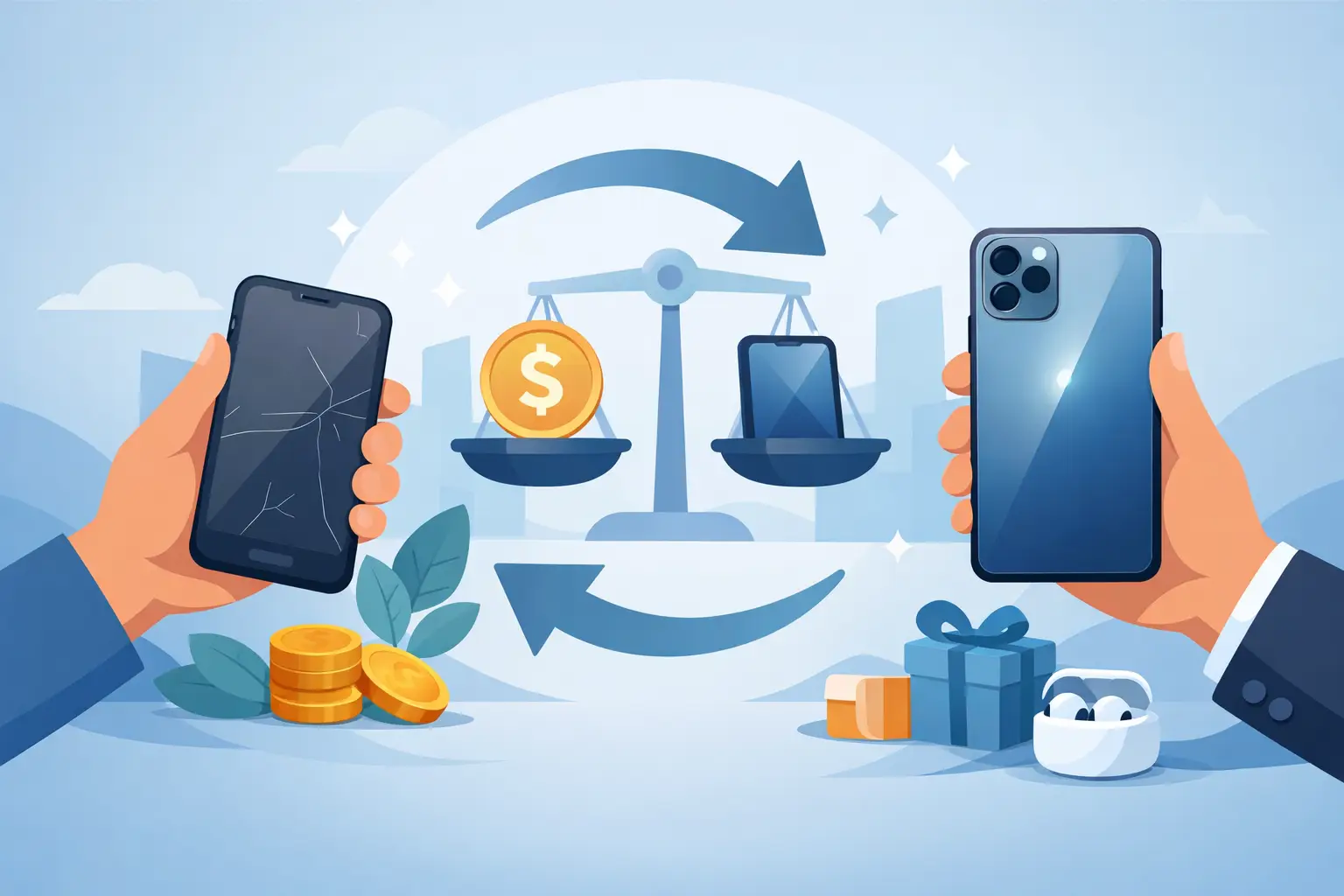
A used phone buy back is usually the better option when convenience, speed, and certainty matter. You receive a professional assessment, know the condition concerns upfront, and can put the value toward your next phone instead of waiting for the right private buyer to appear.
Keeping the old phone can make sense if it will serve as a backup device, travel phone, security camera, or media player. Just be realistic. If it is already slow, has a weak battery, and will not receive meaningful software support for much longer, it may be more useful to sell it before its value drops further.
When Trading In Makes the Most Sense
A trade-in is particularly practical if you are upgrading now, your old device is in working condition, and you would rather avoid private-sale admin. It also works well for households with several unused devices. A few older phones may not seem worth much separately, but their combined value can reduce the cost of a new handset, tablet, accessories, or prepaid top-up.
At Gadget Affair, a device can be assessed in person before you commit, which is useful if you are unsure how a screen mark, battery condition, or past repair will affect the price. Seeing the inspection happen gives you a clearer answer than guessing from online resale listings.
Get the Best Value Without Overthinking It
Clean the phone, charge it, remove your accounts, and be ready to describe its condition accurately. Those simple steps do more for a smooth buy-back than trying to polish away every tiny sign of use.
Most importantly, do not wait until the phone is completely outdated or damaged beyond practical resale. If you already know an upgrade is coming, check the trade-in value while your current device is still working well. A fair offer today can be more useful than a slightly better one you never get around to chasing.