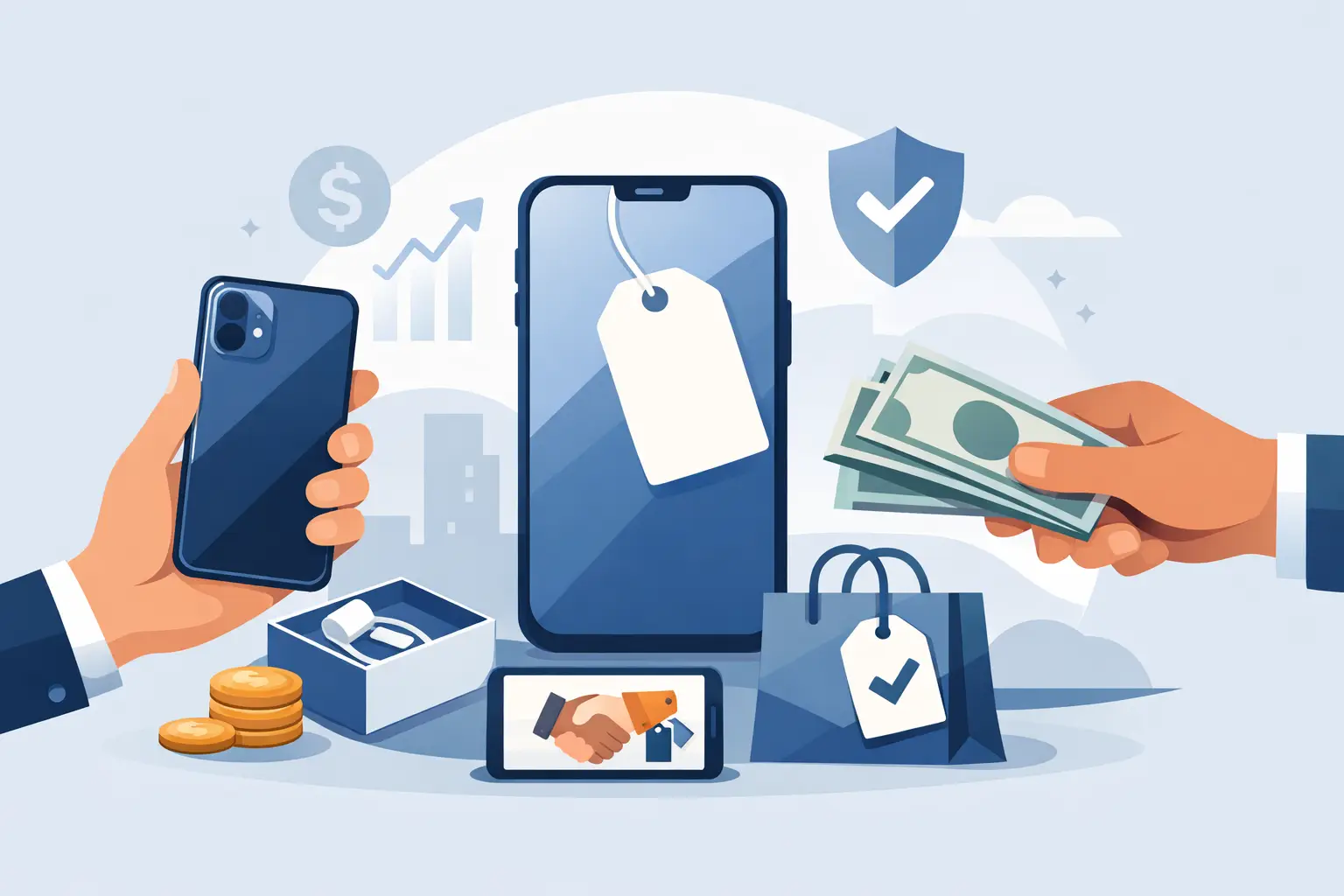
A phone can lose value the moment it is activated, but that does not mean you have to accept a weak offer. If you plan to sell your new phone, timing, condition, and preparation make a real difference. Whether you bought the wrong storage size, received a phone as a gift, or simply found a better upgrade deal, a few careful steps can help you get a fairer buy-back price without creating a security headache.
The first rule is simple: keep everything that proves the phone is yours and shows its actual condition. Buyers and buy-back stores assess what they can verify, not what a device was worth when it launched.
Know what “new” means to a buyer
A sealed, unopened device is generally the easiest category to price. The box is intact, the model and storage variant are clear, and there is no question about wear, battery condition, or activation status. Once the seal is broken, the phone may still be practically new, but it is normally treated as used because it has been handled and potentially activated.
That distinction matters most for recent flagship releases and popular storage configurations. A sealed phone may command a stronger quote, while an activated phone needs to compete with other pre-owned units. It does not mean you should never open a device before selling it. It just means that using it for a few days can affect the price, especially when a newer model has just arrived or a major sale is running.
Be precise when describing your phone. State the brand, model, storage capacity, color, whether it is a local set, and whether the box is sealed or opened. If it has been used, be upfront about any marks on the frame, screen, camera lenses, or back panel. Clear information saves time and leads to a more realistic quote.
When to sell your new phone for the best value
Phone values do not fall at the same rate. Apple and Samsung flagships often hold demand longer than many budget models, but every device can drop when a replacement is announced, retailers start clearing inventory, or a big promotional period begins.
If you already know you will not keep the phone, selling sooner is usually the better move. Holding an unused device for several months rarely improves its value. The market gets more options, new colors and storage variants arrive, and buyers start comparing your phone against discounted brand-new stock.
It also pays to watch the upgrade cycle. Selling before the next generation is officially available can be better than waiting until everyone is trading in the same older model. That said, demand can stay healthy for a phone that has strong battery life, useful cameras, and plenty of storage. A 256GB variant, for example, may appeal more to buyers who take lots of photos or play mobile games, but the final difference depends on current demand.
Prepare your phone before you sell it
A device should be ready for inspection, but it should never leave your hands with personal data still on it. Back up your photos, chats, authenticator codes, contacts, and files first. Do not rely on a quick glance through your gallery. Check downloaded folders, notes, banking apps, password managers, and cloud storage apps as well.
Then sign out of the phone properly. On an iPhone, turn off Find My and sign out of your Apple Account before erasing it. On Android, remove your Google account and any manufacturer account, such as Samsung or Xiaomi, before the factory reset. Activation locks and factory reset protection exist to protect owners, but they can also stop a legitimate buyer from setting up the phone.
After signing out, factory reset the device and confirm it reaches the initial setup screen. Do not enter your account details again after the reset. If you are handing the phone over in person, this gives the buyer or store a clean starting point for testing.
Before you reset, remove your physical SIM card and make sure any eSIM plan is transferred or deleted according to your carrier’s process. If the phone is tied to an installment plan, corporate account, or contract obligation, settle that first. A phone that is not fully paid off or is later blocked by a carrier can become a problem for everyone involved.
What to bring when you sell your new phone
Original packaging, proof of purchase, and included accessories can help support the condition and ownership of your device. They do not always add the same amount to the offer, but they make the transaction cleaner and can help a buyer feel more confident.
If the device is unopened, avoid peeling labels, tearing shrink wrap, or opening the box just to show the contents. Take clear photos of the box from all sides instead. Make sure the model number, storage, color, and seal condition are visible without exposing sensitive receipt details.
For an opened phone, clean it gently with a microfiber cloth. Do not use harsh cleaning products, and do not try to hide scratches with polish or a replacement screen protector. A straightforward condition description is always better than a surprise during inspection. If the phone has a case, charger, cable, or original box, bring them along, but do not assume accessories will make up for a damaged display or a locked device.
Get a quote based on the real device
The highest advertised number is not always the amount you will receive. A proper buy-back quote depends on inspection, model demand, storage, cosmetic condition, battery health where relevant, and whether every function works. Cameras, buttons, speakers, microphones, charging ports, biometric sensors, Wi-Fi, Bluetooth, and cellular connectivity all matter.
Be cautious with offers that sound unusually high but come with vague terms. Ask whether the quote changes for screen burn-in, dents, replacement parts, missing accessories, or an account lock. You should know what is being checked before you agree to a sale.
A professional retailer will also explain why a quote changes after inspection instead of simply reducing it without details. At Gadget Affair, the practical approach is to assess the device condition clearly so you can decide whether the offer works for your upgrade budget. If you are in Singapore, an in-person check at Burlington Square can be useful when you want a clear answer and immediate testing rather than arranging a sale with an unknown buyer.
Private sale or buy-back: choose based on what matters most
A private sale can sometimes bring in more money, particularly for a sealed, in-demand model. You control the listing, photos, price, and negotiation. The trade-off is time. You may need to answer repeated questions, handle low offers, arrange meetups, and make sure payment is confirmed before releasing the phone.
A buy-back service is usually the more convenient option when you want a quick, straightforward transaction. The offer may account for the retailer’s inspection, warranty risk, and resale costs, so it may not match the top price you see in private listings. In return, you avoid much of the back-and-forth and can often put the proceeds directly toward another phone.
There is no single best option for everyone. If maximizing every last dollar matters and you are comfortable handling a private transaction, selling directly may suit you. If speed, safety, and a transparent condition check matter more, a store buy-back is often the cleaner choice.
Avoid the mistakes that cut your offer
Most value drops come from avoidable issues, not normal market depreciation. Do not ship or hand over a phone before payment is verified. Do not leave your Apple, Google, Samsung, or other device account signed in. Do not hide faults that will show up during a basic test.
Also, do not confuse a warranty claim with a condition upgrade. A repaired phone can still be sold, but disclose the repair and keep the service documentation if you have it. Genuine replacement parts and a clean repair record are easier to assess than an unexplained screen or battery change.
Finally, keep the phone protected while you decide. Store it in its box, avoid leaving it in a hot car, and do not keep charging it unnecessarily for weeks. A fresh-looking device with a clean setup screen gives a much better first impression than one that arrives scratched, dusty, and half-locked.
A new phone is worth the most when its story is easy to verify: what it is, where it came from, how it was used, and whether it is ready for its next owner. Get those details right, and you will be in a much stronger position to accept a fair offer and move on to the device you actually want.