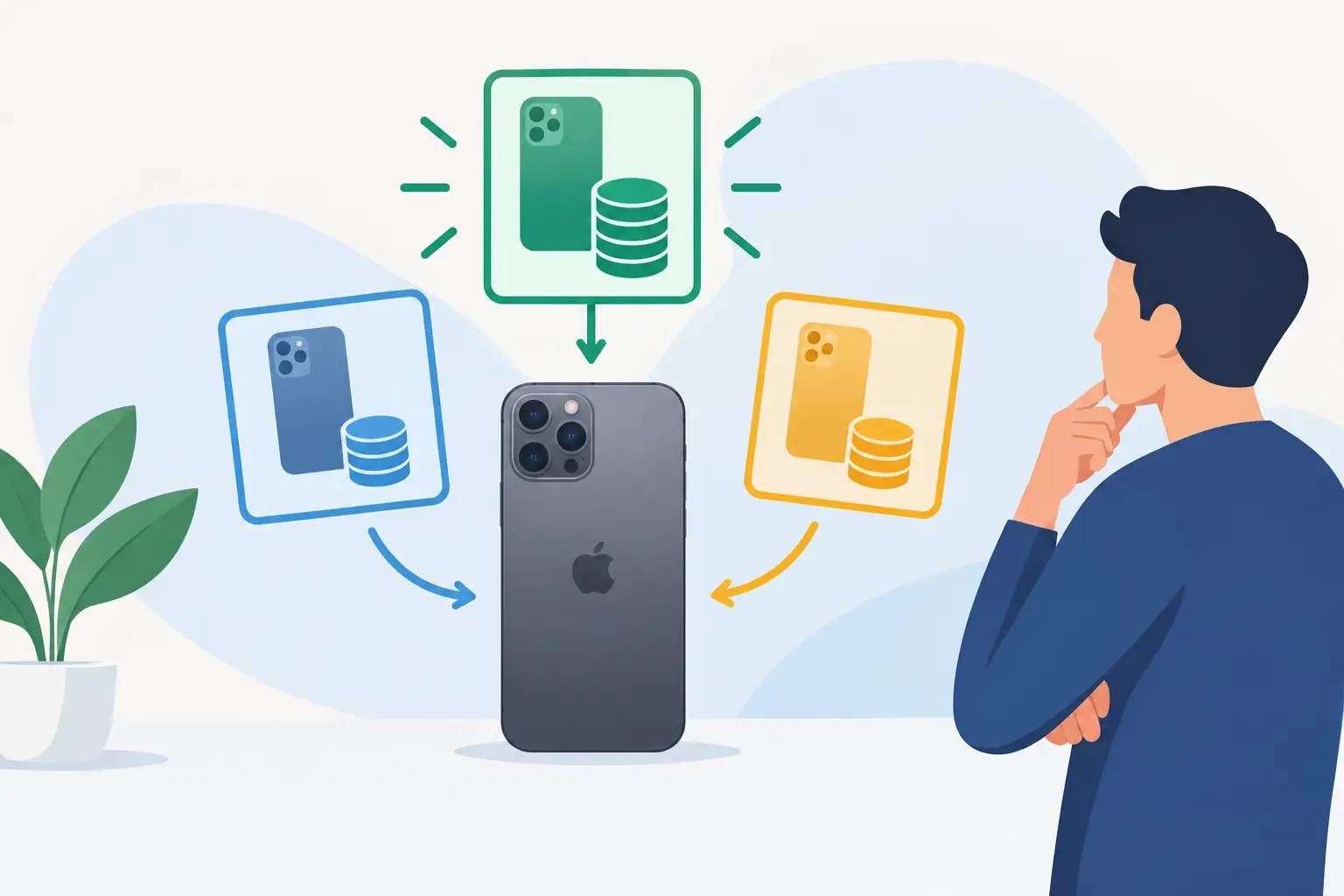
Two people can walk in with the same phone model, the same storage capacity, and the same original retail price, then receive different trade-in offers. This phone buyback value case study shows why that happens and what you can realistically control before selling your device.
The short version is simple: buyback value is not based on the model name alone. A phone is assessed on demand, condition, functionality, storage, repair history, and whether it can be resold with confidence. A clean device with a healthy battery and no account lock is easier to put back on the shelf, so it will usually earn a stronger offer.
The Phone Buyback Value Case Study
For this example, consider two owners trading in the same 256GB flagship phone around 14 months after launch. Both phones are working, both are local sets, and both include their IMEI details for verification. The market demand for this model is still healthy, but newer releases are approaching.
Phone A has lived in a case and screen protector since day one. Its display is clean, cameras focus properly, buttons feel responsive, and the frame has only light signs of use. Battery health is in a good range for its age. The owner has signed out of all accounts, completed a factory reset, and brought the original box and cable.
Phone B has the same internal storage and the same color, but it tells a different story. There is a visible dent on one corner, scratches across the screen, and battery health is noticeably lower. The charging port works but feels loose. The owner also arrives with Find My Device still enabled, so the phone cannot be finalized for purchase until the account lock is removed.
On paper, these are identical phones. In a real buyback assessment, they are not. Phone A is closer to resale-ready. Phone B may still have value, but the buyer has to account for repair risk, cosmetic grading, lower buyer demand, and the time needed to prepare it for resale.
That difference is not a penalty for minor wear. It is the practical cost of putting a used device back into the market with clear condition reporting and proper checks.
What Actually Moved the Offer
Condition matters more than many sellers expect
A few light marks are normal on a used phone. Most buyers understand that a pre-owned device will not look factory fresh. What changes the value is damage that affects how the next owner sees or uses the phone.
For Phone A, the clean screen and tidy frame support a better resale grade. For Phone B, a deep screen scratch can reduce the price even if the display still works perfectly, because the next buyer will notice it every time the screen is on. A cracked back panel, bent frame, camera lens damage, or dead pixels will usually have a larger effect because those issues can lead to repair costs or reliability concerns.
This is why a case and screen protector can make a bigger financial difference than their low upfront cost suggests. They do not guarantee a top offer, but they help preserve the parts buyers inspect first.
Battery health affects buyer confidence
Battery condition has become one of the clearest value signals for used phones. A device can look almost new, but if it drains quickly or needs frequent charging, the next owner may need a battery replacement sooner than expected.
In this case, Phone A’s healthier battery supports a stronger offer because it is ready for everyday use. Phone B’s lower battery health does not automatically make it unsellable, but it gives the reseller less room on price. The final offer has to reflect the possibility that a buyer will compare it against another unit with better battery performance.
Battery health is not the only measure. A phone may show acceptable battery health yet still have charging issues, overheating, or sudden shutdowns. That is why a proper assessment includes real charging and functional checks rather than relying on one number alone.
Function checks separate cosmetic wear from real risk
A small scuff is easy to understand. An unreliable face unlock sensor, weak speaker, intermittent touchscreen, or faulty camera is different. These problems can affect daily use and may require further diagnostics.
For Phone B, the loose charging port becomes more significant than its corner dent. If a cable disconnects easily, the device may need repair before resale. That cost and uncertainty are built into the trade-in offer.
Before selling, test the basics yourself: display touch response, cameras, speakers, microphones, charging, Wi-Fi, Bluetooth, biometric unlock, physical buttons, and SIM detection. You do not need technical knowledge to spot most obvious issues. If you already know about a fault, mention it upfront. Clear information saves time and prevents surprises during the inspection.
Storage still makes a difference
The two phones in this example both have 256GB storage, which helps keep the comparison fair. If Phone A had 128GB and Phone B had 512GB, the higher-capacity device could attract a better offer, assuming condition stayed comparable.
Storage premiums depend on the model and current demand. On some devices, buyers actively look for larger storage because photos, videos, games, and apps take up more space. On others, the price gap between variants narrows once the phone is older. It depends on what customers are shopping for at that moment, not just what the higher-storage version cost when new.
Timing can be worth real money
Phone values do not decline at the same pace every month. A current flagship with strong demand may hold well, then soften when a replacement model is announced or released. Promotional periods can also affect resale pricing, especially when retailers offer aggressive discounts on new stock.
In this case, both owners are trading in just before a newer generation arrives. Phone A still receives a solid offer because its condition gives it an advantage. If both owners waited another few months, they might see lower quotes even if the devices stayed in exactly the same condition.
That does not mean everyone should rush to sell. If your phone still does everything you need, keeping it may offer better personal value than upgrading. But if you already plan to change devices, selling before the next major launch cycle can be the smarter move.
Why Boxes and Accessories Help, But Do Not Fix Damage
The original box, cable, and accessories can make a device easier to resell, especially for buyers who prefer a more complete set. They can support the overall presentation of Phone A, but they do not erase a damaged display, weak battery, or failed function check.
Think of accessories as a small plus rather than the main source of value. The phone itself remains the priority. A clean, fully working handset without a box will generally be more attractive than a damaged handset with every original accessory included.
The Account Lock Issue That Can Stop a Sale
The biggest preventable problem in this phone buyback value case study is not the scratch or battery health. It is the account lock on Phone B.
Activation locks and device-tracking features protect your data, which is exactly what they should do. But they must be removed before a buyer can take ownership of the phone. If the device is still linked to an Apple ID, Google account, Samsung account, or another security service, it cannot be properly reset and resold.
Back up your data first. Then sign out of your accounts, turn off device tracking, remove eSIMs where needed, and factory reset only after you have confirmed everything important is saved. Bring the phone charged if possible, since this makes checks faster.
How to Get a Fairer Buyback Quote
A fair quote starts with an honest assessment. Do not hide damage under a case or assume a small issue will not be noticed. A professional buyback check is meant to verify the device condition, not catch sellers out.
Clean the phone gently, remove stickers, and take out your SIM card. If you have a screen protector with cracks, removing it may help show whether the display underneath is actually damaged. Do not attempt a rushed repair just to improve the quote unless you know the repair is high quality and worth the cost. A poor replacement screen or non-genuine part can create new value concerns.
At Gadget Affair, customers can bring a device in for an assessment and understand the condition factors behind the offer before deciding whether to proceed. That is useful when you are comparing the trade-in value against the cost of your next phone rather than simply chasing the highest headline number.
Before you sell, treat your old phone like part of the budget for your next one. Keep it protected while you use it, sell it while demand is still healthy, and make sure it is fully signed out and ready for its next owner. Those small steps often make the difference between an average offer and a confident one.