A two- or three-year-old flagship phone can still feel fast, take excellent photos, and handle a full day of messages, maps, videos, and payments. The difference is that it may cost far less than its original retail price. That is the practical force behind current used phone market trends: buyers are looking past the launch cycle and judging devices by condition, useful lifespan, and real value.
For value-focused shoppers, a used phone is no longer just a backup option. It can be the smarter purchase, provided you know what to check. Prices may be attractive, but storage, battery health, software support, and local compatibility still matter more than a low sticker price.
What Used Phone Market Trends Mean for Buyers
The pre-owned market has grown because new phone prices have climbed while yearly hardware changes have become smaller. A current flagship may have a faster chip or a slightly brighter screen, but a recent-generation model often remains more than capable for everyday use. That gives buyers room to move up a tier: instead of buying a brand-new entry-level phone, they may be able to choose a used premium model with better cameras, display quality, build, and storage.
Longer software support has also changed the calculation. Apple, Samsung, Google, and other major brands now keep many devices current for more years than before. A phone that is still receiving security updates and supports the apps you use can remain a sensible buy. This is especially relevant for students, working professionals, and families who want a dependable device without paying launch pricing.
There is a trade-off. Not every older model is a bargain. A low-priced phone with limited future updates, worn battery capacity, or expensive repair parts can cost more in frustration than it saves upfront. The best value usually sits in the middle: a device old enough to have dropped in price, but recent enough to have a healthy usable life ahead.
Flagship Models Hold Value, but Prices Still Move
iPhones and popular Samsung Galaxy models usually have strong resale demand. That can make them easier to resell later, but it also means their used prices may stay firmer than less popular alternatives. Buyers who want a familiar ecosystem, reliable accessories, and broad repair availability often accept that premium.
Android buyers have more room to compare. Google Pixel, Xiaomi, Poco, Oppo, Honor, Nothing, Realme, and other brands can offer compelling hardware at different price points. A less sought-after model may lose value faster after launch, which is not ideal for the first owner but can be excellent for a used buyer. The key is to compare the phone itself, not only the discount. Check the processor, RAM, storage, camera performance, charging speed, and remaining software support against phones in the same budget.
Storage is one area where buyers should not compromise too quickly. A lower-storage variant can look like the better deal until photos, games, offline downloads, and app updates begin filling it up. If you plan to keep the device for several years, paying a little more for additional storage can be more practical than constantly clearing space.
Condition Is More Important Than the Model Name
Two used phones with the same model and storage can have very different value. Cosmetic wear is one part of the picture, but buyers should focus on functional condition first. A few light marks on the frame may be perfectly acceptable if the screen, cameras, buttons, speakers, charging port, and biometric features work properly.
Battery condition deserves closer attention. Batteries naturally lose capacity over time, and heavy use or frequent heat exposure can speed that up. A phone that needs charging twice a day may still work, but it should be priced accordingly. Battery replacement can be worthwhile on a premium device, yet buyers should factor that future cost into the overall deal.
Screen quality is equally important. Check for burn-in on OLED displays, dead pixels, flickering, touch issues, deep scratches, and non-original replacement panels. A display that looks fine under bright store lighting can reveal issues on a white or dark screen. Test it properly before deciding.
When buying pre-owned, clear condition reporting matters. At Gadget Affair, inspected used devices and in-store testing give buyers a chance to verify the basics themselves rather than making a decision based only on photos. That extra check is useful when you are comparing devices that appear similar on paper.
Local Sets, Network Use, and Everyday Compatibility
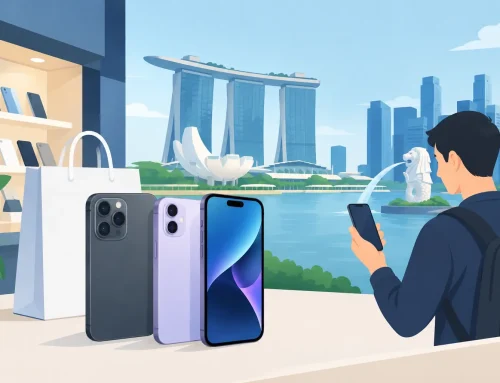
A used phone should fit how and where you use it. For buyers in Singapore, local-set status can be relevant because it provides clearer expectations around network bands, warranty history, supported features, and plug type. Imported models can be good devices, but confirm their specifications before treating them as equivalent to a local set.
Make sure the phone is not tied to another account or activation lock. For Apple devices, Activation Lock must be removed before a buyer takes over. For Android devices, the previous owner should remove their Google account and complete a factory reset. A device that cannot be activated normally is not a deal, regardless of price.
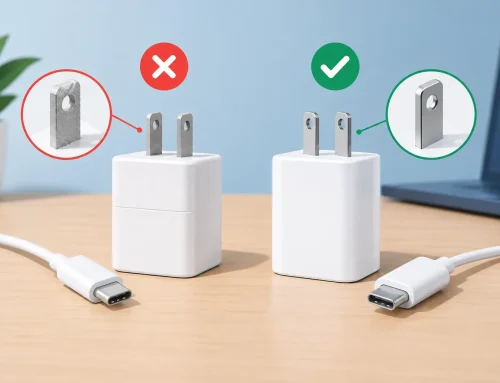
It is also worth checking SIM support, eSIM capability, NFC functionality, and charging standards. These details matter when you use mobile payments, travel, maintain more than one line, or want to reuse existing cables and accessories. A used phone does not need every latest feature. It just needs the features you will actually use.
Why Trade-Ins Keep the Market Moving
Trade-ins are a major reason used phone inventory stays active. When customers upgrade, their previous device becomes stock for another buyer who may not need the newest release. This creates a practical cycle: one person reduces the cost of an upgrade, while another gets access to a tested device at a lower price.
Trade-in values are not based on the original retail price alone. Demand, storage capacity, cosmetic condition, repair history, battery health, and whether the device has any account locks all affect the offer. Popular models in clean condition generally move faster. Phones with cracked screens, weak batteries, or faults may still have value, but the cost of restoring them needs to be considered.
If you plan to trade in later, keep the original box only if it is convenient, but prioritize the device itself. Use a case and screen protector, avoid unauthorized repairs when possible, and keep the charging port clean. These small habits can make condition assessment simpler and help preserve resale value.
How to Buy Smart in a Fast-Moving Market
Do not buy a used phone just because it is the cheapest listing. Start with your budget and the jobs your phone needs to handle. A casual user may be well served by a recent midrange model. Someone who takes a lot of photos, plays demanding games, edits video, or needs a phone for work may get better long-term value from an older flagship.
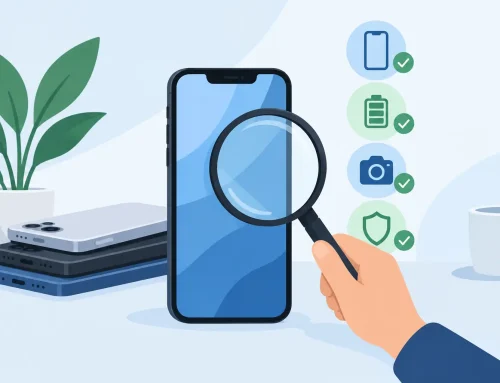
Before paying, confirm the exact model, storage capacity, condition grade, included items, battery status where available, and any warranty or return terms. Test the cameras, speakers, microphone, buttons, Wi-Fi, Bluetooth, charging, fingerprint reader or Face ID, and display touch response. It takes a few minutes and can prevent an expensive mistake.
The strongest used phone purchase is rarely the newest device you can afford. It is the one that is verified, priced fairly for its condition, and still has enough life left for the way you use it. Buy with that standard, and the used market becomes a reliable way to get more phone for your money.