A cracked screen does not automatically make a phone worthless. But it does change what a reseller can realistically pay. This damaged phone resale example shows why a phone that still turns on and works may receive a lower offer than its model, storage, and age suggest – and how to tell whether that offer is fair.
For sellers, the goal is simple: get a clear price without guessing. For buyers, it is knowing that a pre-owned phone has been checked properly rather than passed along with an expensive surprise waiting underneath the glass.
A damaged phone resale example with real-world math
Imagine an iPhone 13, 128GB, in a common color. It powers on, accepts a SIM card, cameras work, and Face ID works. However, the OLED screen is cracked across one corner, there is a small dark patch near the edge, and the battery health is 82%.
A clean, fully working version of that same phone may retail pre-owned for around S$500, depending on current stock, cosmetic condition, demand, and whether it is a local set. That retail figure is not the buy-back price. A shop still has to inspect it, repair it if needed, prepare it for sale, stand behind the condition, and account for the chance that the market price falls before it sells.
Route 1: Repair before resale
If the phone is repaired for resale, the numbers may look like this:
- Expected resale price after repair: S$500
- Quality replacement screen and fitting: S$150
- Battery replacement: S$80
- Testing, cleaning, data wipe, and handling: S$30
- Warranty and resale risk allowance: S$45
- Reasonable margin for the reseller: S$70
That leaves roughly S$125 as a possible buy-back value.
This is not a universal price chart. A different screen type, a newer model, stronger demand, or a phone that needs no battery replacement can move the number significantly. Still, it shows the part sellers often miss: the cost of damage is more than the repair invoice. The reseller also takes responsibility for functionality after the repair.
Route 2: Sell the phone as-is
Sometimes repairing a device is not the best option. A buyer who has their own trusted technician may prefer the phone as-is. If the same damaged iPhone could sell for S$270 in its current condition, the calculation changes.
After allowing S$20 for checks and listing preparation, S$30 for risk, and S$55 for a workable margin, the buy-back offer could land closer to S$165. In this case, selling as-is may produce a better return than repairing it first.
That is why the question is not simply, “How much is my phone worth?” The better question is, “What is the best resale route for this exact condition?” A practical assessment should compare both options instead of assuming every damaged phone needs a repair.
What changes damaged phone resale value most
A visible crack matters, but the type of damage matters more. A single hairline crack with full touch response is very different from an OLED panel showing green lines, black spots, flickering, or dead touch zones. The latter can make testing less reliable and usually requires a full display replacement.
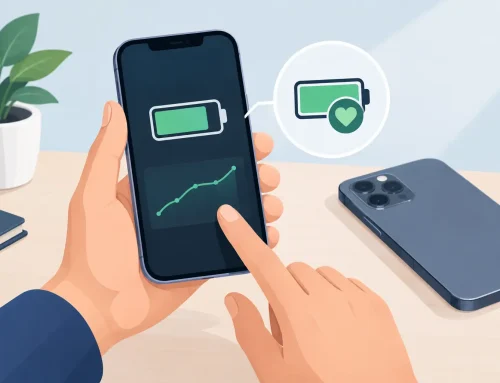
Battery condition is another major factor. A phone at 89% battery health can still be perfectly usable. At 80% or below, many shoppers expect a shorter runtime and may factor in a replacement. On older models, a weak battery combined with screen damage can push the repair cost too close to the phone’s final resale value.
Then there are faults that may not be obvious at first glance. Cameras that cannot focus, a faulty charging port, random restarts, weak cellular signal, damaged buttons, or a non-working fingerprint scanner can reduce value quickly. Water exposure deserves extra caution because corrosion can spread over time even when the device appears fine during a quick test.
Model demand also matters. A damaged recent iPhone, Samsung Galaxy S-series phone, Google Pixel, or popular Xiaomi model can still have solid demand because parts and buyers are easier to find. An older entry-level model with expensive damage may be better suited to an as-is sale or recycling route.
The checks that protect both seller and buyer
A fair damaged-phone evaluation starts with more than a glance at the screen. The phone should be powered on and checked for display quality, touch response, cameras, speakers, microphones, charging, Wi-Fi, Bluetooth, SIM detection, buttons, and biometrics where applicable.
The device also needs to be free of activation locks. For Apple devices, Find My and the Apple ID sign-out status must be handled before a sale can be completed. For Android phones, sellers should remove Google accounts and complete a factory reset only after confirming their data is backed up. A locked device may have almost no resale value because it cannot be safely transferred to the next owner.
IMEI status is equally important. A phone reported lost, stolen, or blocked from network use cannot be treated like a normal pre-owned device, even if it looks nearly new. The same applies to financed devices that may later be blocked. Documentation is useful when available, but a proper check of the device itself is what gives a buyer confidence.
At Gadget Affair, inspected pre-owned devices are part of the value proposition because customers can view and test what they are buying. That matters even more with repaired or previously damaged phones. A lower price is only a good deal when the condition is stated clearly and the important functions have been tested.
Should you repair a damaged phone before selling it?
It depends on the device and on the repair. Replacing a broken screen on a recent, higher-value model can make sense if the repair is high quality and the phone has no other issues. But spending money on an old phone just to chase a slightly better offer often does not pay off.
Before repairing, compare the expected increase in resale value against the full cost of the repair. If a S$120 repair only increases your offer by S$70, selling as-is is usually the smarter move. Also consider repair quality. A low-cost display may affect brightness, touch feel, color accuracy, fingerprint performance, or water resistance. Buyers who know their phones will notice.
Battery replacement follows the same logic. If the device is otherwise clean and popular, a new battery can improve buyer interest. If it already has multiple faults, adding another repair expense may not change the final outcome enough to justify it.
How to get a cleaner, faster resale quote
Be direct about the damage from the start. Photos of the front, back, frame, charging port, and damaged area help set expectations, especially if there are dents or lifted glass. Mention whether touch works everywhere, whether the phone has been repaired before, and whether there are screen lines, camera issues, or battery warnings.
Bring the device with its passcode available for testing, then remove accounts only when you are ready to complete the sale. If you still have the box, receipt, or original accessories, bring them along, but do not expect them to erase the impact of major hardware damage. They can help, especially for newer devices, but function and condition remain the main drivers of value.
Most importantly, do not compare your buy-back offer directly with a private-sale listing for a flawless phone. Private selling may bring more money, but it also means answering messages, meeting buyers, handling no-shows, and taking responsibility if a problem appears later. A trade-in or buy-back price reflects speed, convenience, inspection, and the reseller taking on the next sale.
When a low offer is a warning sign
Not every low offer is unfair. If the repair cost is high, demand is weak, or the phone has multiple faults, the value can drop sharply. But you should be cautious if a buyer gives a strong quote without checking basic functions, ignores activation-lock status, or changes the price only after you arrive without explaining what failed.
A reliable quote should connect the number to the phone’s actual condition. You do not need a lecture or a complicated spreadsheet. You should simply be able to understand whether the deduction is for the cracked display, weak battery, frame damage, repair history, or a current change in market demand.
A damaged phone can still fund your next upgrade, cover part of a tablet purchase, or keep useful tech in circulation. Get the device checked honestly, compare the repair and as-is routes, and choose the option that gives you the best value without creating a bigger headache later.