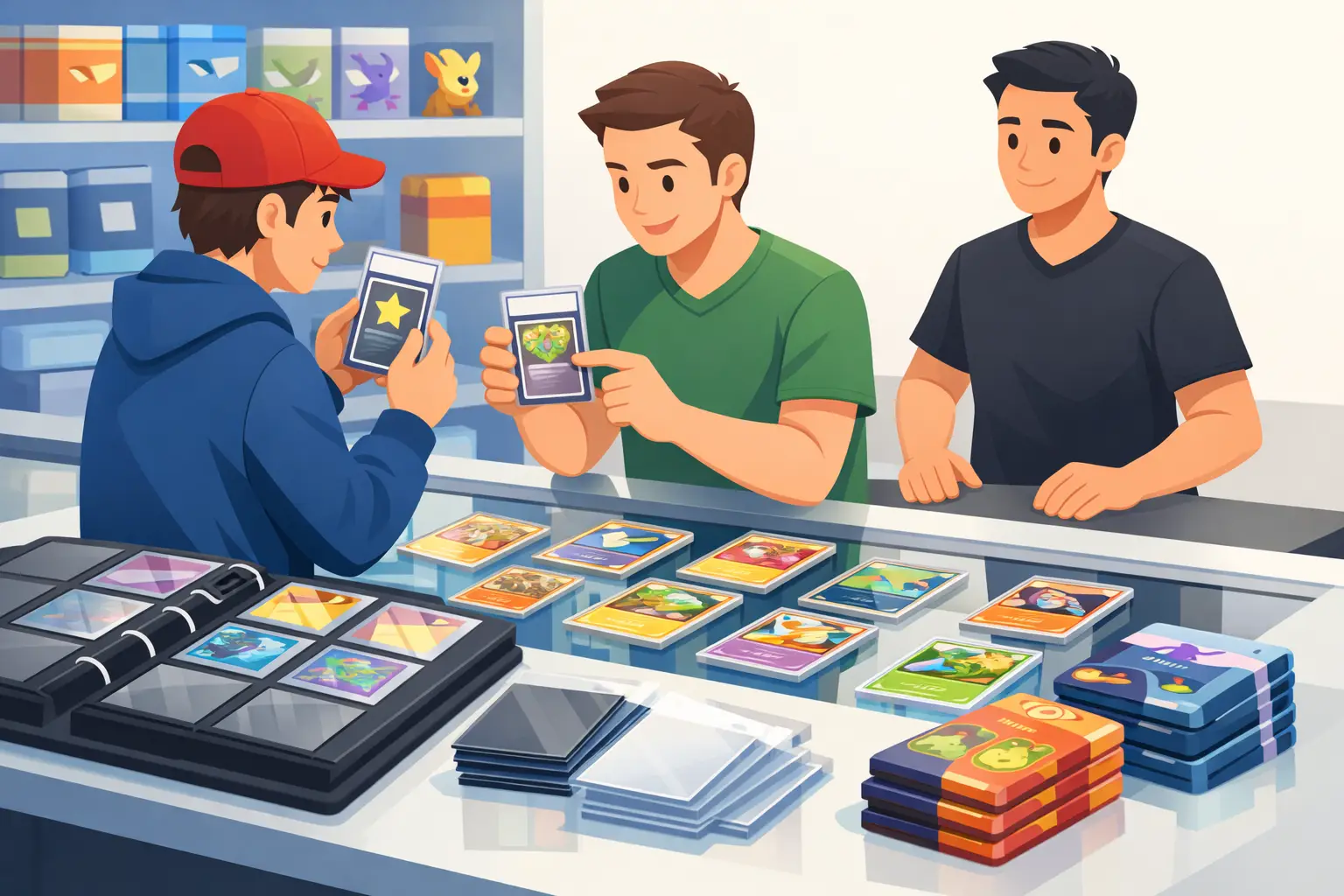
A fresh pokemon tcg pack can be a great pull, a fun battle with friends, or the start of a collection that stays with you for years. It can also be the quickest way to overspend if you buy randomly, chase one card through box after box, or skip the basics that keep cards in clean condition. The smarter move is to know what you want from each purchase before you open anything.
For most buyers, the right choice comes down to three lanes: playing, collecting, or enjoying the thrill of opening sealed product. There is overlap, of course, but each goal changes what gives you the best value.
Pokemon TCG: Start With Your Buying Goal
If you want to play, prioritize cards that work in a deck rather than cards with the biggest price tags. A strong deck is built around consistency: the right Pokémon, Trainers, Energy cards, and a clear game plan. Preconstructed products can be a practical entry point because they give you a playable base without needing to piece together every card from scratch.
If you collect, decide what actually belongs in your binder. Maybe you want a favorite Pokémon, artwork from a certain illustrator, a specific era, or every card from one expansion. A focused collection is easier to manage and far more satisfying than buying everything that catches your eye for five minutes.
If you simply enjoy ripping packs, sealed products are your lane. Just treat them as entertainment first. Pull rates are never a promise, and buying more packs does not guarantee the card you are hoping to find. Set a budget before you start opening, especially around a major release when hype is at its highest.
Sealed Product or Singles: Which Is Better?
This is the question behind most Pokemon TCG purchases. The honest answer is that it depends on what you are after.
Sealed products such as booster packs, booster boxes, collection boxes, tins, and premium collections make sense when you enjoy the opening experience, want cards from a newly released set, or value the extras included in a particular product. Promo cards, sleeves, dice, and storage items can add real value for players and collectors, although not every box is equally good value.
Singles are usually the more efficient route when you need a specific card. If you are building a deck and need three or four copies of a Trainer card, buying singles avoids piles of duplicates and unopened hope. The same goes for collectors chasing one illustration rare or special card. Spending a fixed amount on the card you want is often better than spending the same amount trying to pull it.
A balanced approach works well for many people. Buy a small amount of sealed product to enjoy the set, then pick up singles to finish a deck page, collection goal, or tournament list. You still get the excitement without turning every purchase into a chase.
Watch for products that fit your budget
More expensive does not automatically mean better. A premium collection may look impressive, but a smaller bundle or a few packs can be the better buy if your main goal is opening cards from a set. Check what is included, whether the promo is one you actually want, and whether the accessories are useful to you.
For a gift, collection boxes and tins are often easier choices because they feel complete right out of the package. For regular players, deck-focused products and singles tend to stretch the budget further.
How to Buy Pokemon TCG Cards With Confidence
Authenticity matters. Pokemon TCG cards are widely collected, and popular chase cards can attract counterfeit copies. The safest route is to buy from sellers that clearly describe what they are selling and stand behind their inventory. Packaging should look properly sealed and professionally printed, not loose, blurry, or unusually thin.
For loose cards, inspect the front and back under good lighting. Look for clean print quality, proper card texture, accurate colors, and consistent borders. A card that feels overly glossy, flimsy, or strangely smooth deserves a closer look. Compare it with a known genuine card from the same era if you can.
Condition is just as important as authenticity, especially for collectible singles. “Near mint” should not mean a card with obvious whitening, dents, creases, or scratches. Small print imperfections can happen straight from the pack, but sellers should be clear about visible wear. If condition matters to you, ask to inspect the card or request clear photos before buying.
At Gadget Affair, the same practical rule applies to cards as it does to pre-owned devices: know exactly what you are getting before you pay. A clear product description, honest condition details, and straightforward pricing make it easier to buy with confidence.
Protect the Cards You Pull
A great pull can lose much of its appeal if it gets scratched while sitting on a table. Protection is not only for high-end cards. Keeping ordinary cards organized makes deck building easier, prevents edge wear, and saves you from sorting through loose stacks later.
For cards you play, use sleeves that fit consistently and shuffle well. Opaque-backed sleeves are useful in competitive play because they help hide wear differences on card backs. Keep a spare pack of the same sleeves if possible, since damaged sleeves should be replaced rather than played with.
For cards you collect, penny sleeves and rigid top loaders are a dependable combination for valuable pulls. Place the card carefully into a soft sleeve first, then into the rigid holder. Binder cards should go into side-loading pocket pages where possible, as these reduce the chance of cards slipping out.
Storage conditions matter too. Keep cards away from direct sunlight, moisture, food, and extreme heat. Do not leave a binder in a car or stack heavy items on top of it. A simple storage box in a dry indoor space is usually enough for most collections.
Building a Collection You Will Keep Enjoying
The Pokemon TCG moves quickly. New sets arrive, reprints happen, and the card everyone is chasing this month may not be the one people talk about next season. That is normal. Buying only because a card is trending can lead to regret once the excitement cools down.
Collect what you genuinely like. A binder page built around your favorite Pokémon, a full art style you enjoy, or memories from a particular generation has value that does not depend entirely on the market. If a card also holds strong resale value, that is a bonus, not the only reason to own it.
It also helps to set boundaries. Decide whether your monthly budget covers sealed packs, singles, supplies, or all three. Keep track of duplicates before purchasing more. Trade extras with friends or local players when it makes sense. Trading can be one of the best parts of the hobby, but agree on card condition and current value before making a deal.
Players should plan around rotation
If you play the Standard format, card legality changes over time. Before buying expensive playsets, check whether those cards will remain legal for the events you plan to attend. Older cards may still be excellent for casual play, expanded formats, or collecting, but they may not be the best purchase for a current tournament deck.
For new players, start with a deck you understand and upgrade it gradually. Learning how your deck works will do more for your results than buying a pile of powerful-looking cards with no clear strategy.
The best Pokemon TCG purchase is rarely the flashiest one. It is the product, card, or supply that fits your goal, your budget, and the way you want to enjoy the hobby. Buy what you will use, protect what you value, and leave room in the budget for the next pull that genuinely makes you smile.