That tablet sitting in a drawer may still be worth more than you think. Even if it is a few generations old, a working iPad, Samsung Galaxy Tab, Xiaomi Pad, or Lenovo tablet can have resale value for students, families, and buyers who want a capable device without paying new-device prices. The question is where to sell old tablets without wasting time on low offers, unreliable buyers, or a device that gets returned after the sale.
The best option depends on your tablet’s age, condition, storage capacity, and how quickly you need the money. A direct sale can bring in more cash, while a reputable buy-back store is usually faster and simpler. Before choosing, know what your tablet is worth and what each selling route asks of you.
Where to sell old tablets: your main options
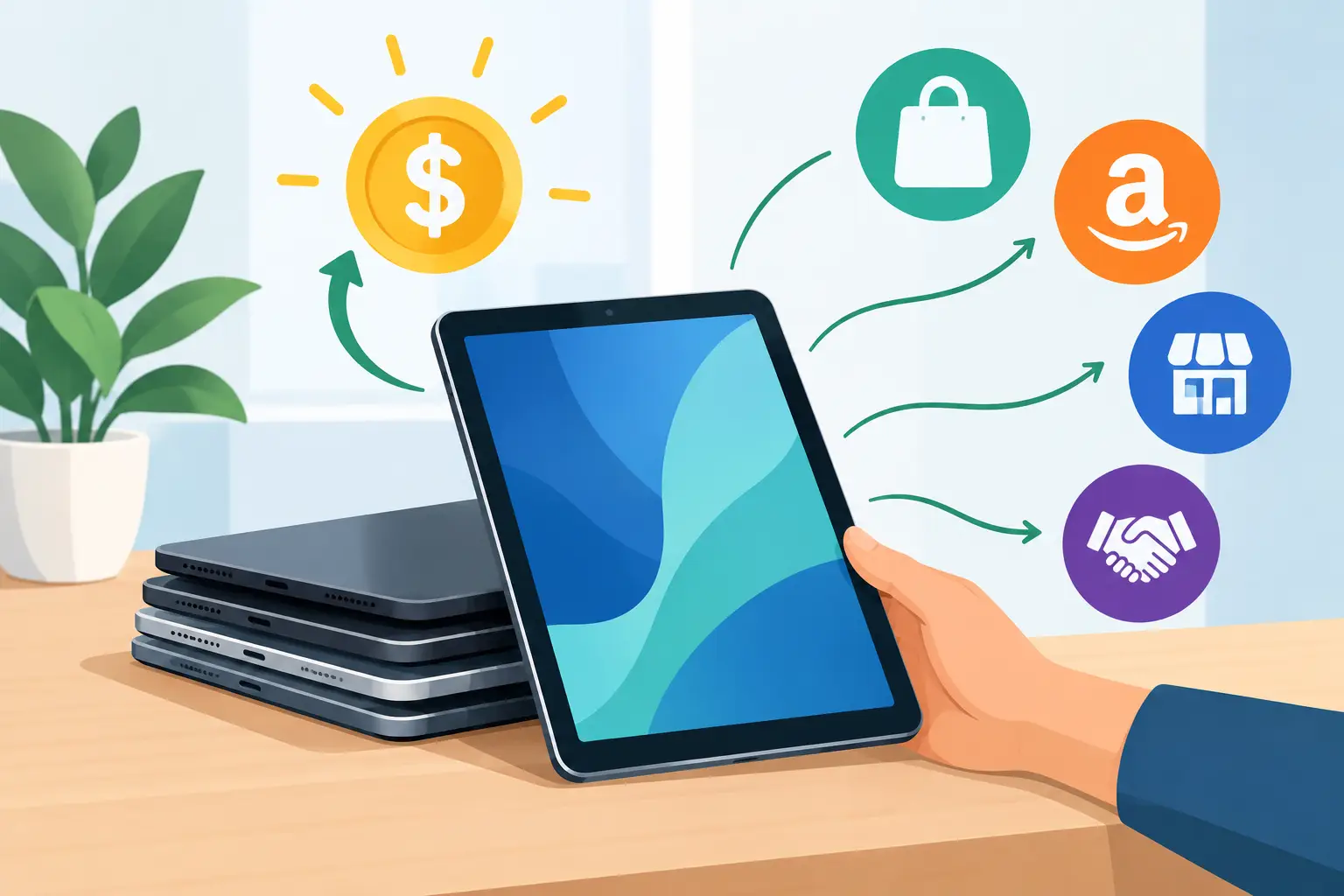
You generally have three practical choices: sell to a buy-back retailer, trade the tablet in when upgrading, or sell it directly to another person. Each route has a real trade-off between price, effort, and peace of mind.
Sell to a buy-back retailer
A device buy-back retailer is the straightforward choice when you want a clear offer and a quick transaction. The store checks the tablet’s model, storage, physical condition, screen, cameras, charging port, buttons, battery behavior, and whether it is locked to an account. Once the condition is confirmed, you receive an offer based on the current resale market.
This is rarely the route that delivers the absolute highest price. A retailer has to inspect the device, cover operating costs, and stand behind the tablet when reselling it. What you get in return is convenience: no arranging meetups, no strangers asking for endless photos, and no concern that a buyer will dispute the condition after taking it home.
For older tablets, this can be especially useful. A private buyer may only be interested if the device looks nearly new, but a retailer may still assess its value fairly if it is functional and has a useful screen, storage tier, or cellular connectivity.
Trade it in when you upgrade
If you are already buying a new phone or tablet, a trade-in can reduce what you pay on the spot. It is not always the best cash value, but it can be the best value for your time. You hand over the old device, apply the offer to your purchase, and leave with one less item to sell later.
Compare the trade-in amount against a cash buy-back offer if you have the chance. Some promotions make a trade-in more attractive than usual, while other offers are based strictly on the device’s resale value. Also, check whether the quoted figure is a final value or a maximum subject to inspection.
Sell directly through a marketplace
Private sale platforms can produce the highest price, especially for newer iPads and premium Samsung models in clean condition. You control the listing price, decide whether accessories are included, and can wait for a buyer who sees the value in your specific model.
The extra money comes with extra work. You will need accurate photos, a clear description, prompt replies, and a safe arrangement for payment and collection. Be realistic about condition. A tiny chip on the frame or a weak battery might not stop a sale, but hiding it almost always creates a problem later.
Direct selling makes the most sense when your tablet is relatively current, has no major faults, and you are comfortable managing the transaction. For a cracked, heavily used, or lower-value tablet, the time spent listing and meeting buyers may outweigh the price difference.
What determines your tablet’s resale value
Two tablets that look similar can have very different resale values. The model and release year matter first, but the details matter too.
Storage is a major factor. A 256GB model is usually more desirable than a base-storage version, particularly for iPads used for school, design work, or media downloads. Cellular-enabled models can also command more than Wi-Fi-only versions, provided the SIM capability works properly.
Condition matters just as much. A tablet with a bright, responsive display and a clean body will be easier to sell than one with deep scratches, dents, screen discoloration, or touch issues. Battery health is harder to judge on some tablets, but fast drain, random shutdowns, or charging problems will reduce the offer.
Original accessories can help, though they usually do not transform the value. The box, charging cable, keyboard case, stylus, or official charger may make a private listing more appealing. For a buy-back assessment, the tablet itself is normally the main focus. Do not buy replacement accessories just to sell them with the device unless you plan to use them first.
A working tablet with cosmetic wear can still be worth selling. A tablet with a badly cracked screen, bent chassis, liquid damage, or account lock may have limited value, but ask before assuming it is worthless. Some devices are still useful for parts or refurbishment.
Prepare your tablet before you sell it
The most important part of selling a tablet is protecting your personal information. Removing photos from the gallery is not enough. You need to sign out properly and erase the device only after confirming your data is backed up.
Start by saving anything you need, including photos, notes, app files, and documents stored locally. If the tablet is paired with a phone, smartwatch, keyboard, or stylus, unpair it where relevant. Remove any SIM card and memory card. If you are keeping a cellular plan, check with your carrier before handing over the device.
For an iPad, sign out of your Apple Account and turn off Find My before resetting it. For Android tablets, remove your Google account and any manufacturer account, then complete a factory reset. These steps matter because activation locks can prevent the next owner from using the device. A locked tablet is difficult to resell and may receive no buy-back offer.
After resetting, charge the tablet and test the essentials one last time. Check that the screen responds across the whole panel, the cameras open, the speakers work, the charging port connects securely, and Wi-Fi can turn on. If there is a fault, state it upfront. Clear information leads to a faster assessment and a smoother sale.
How to get a fair offer without overpricing it
Start with the exact model number, not just the product family. “iPad Air” or “Galaxy Tab” is too broad because generations, display sizes, storage capacities, and connectivity options affect value. You can find the model details in the device settings or on the back of some tablets.
Then look at comparable devices in similar condition. Focus on completed or realistic local asking prices rather than one unusually high listing that has been sitting unsold for weeks. Price your tablet based on what it can actually sell for, not what you originally paid.
When receiving a quote, make sure you understand the condition standard. A fair offer is not necessarily the highest number stated before inspection. It is the number that remains reasonable after the device is checked, with no surprise deductions for issues you already described honestly.
If you sell privately, set a price with a little room for normal negotiation, but do not inflate it so far that serious buyers skip your listing. Good photos in natural light, a photo of the storage and model information, and a direct condition description will do more than a long sales pitch.
Avoid common tablet-selling mistakes
Do not hand over a tablet before payment is confirmed. Screenshots of bank transfers, payment notifications, and promises to pay later are not the same as cleared funds. Meet in a public, sensible location if you are selling privately, and keep communication within the platform where possible.
Do not leave your accounts on the tablet because you are in a hurry. Activation lock issues can delay or cancel a sale, and they expose your data unnecessarily. It is also wise to remove cases, stickers, and screen protectors only if they hide damage you need to inspect. A clean device presents better, but honesty matters more than cosmetic polishing.
Finally, do not assume every old tablet has the same value. A well-kept older premium model may still be more useful than a newer entry-level tablet. The reverse can also be true if software support has ended or key hardware is failing.
For a quick, transparent route, Gadget Affair can assess eligible devices through its buy-back service, with in-store checks that make the condition and offer clear before you decide. If a private sale suits your tablet better, take the time to reset it properly, describe it accurately, and wait for a buyer who values it. The best sale is the one where the price feels fair, your data stays protected, and the old tablet is useful to someone else instead of gathering dust.