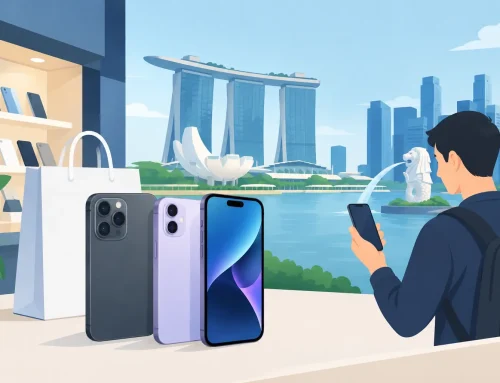
If you are trying to decide on a new phone to buy 2026, the biggest mistake is shopping by hype alone. Most buyers do not need the most expensive model on the shelf. What matters is getting the right mix of battery life, camera quality, storage, performance, and price for how you actually use your phone every day.
That matters even more in 2026 because the gap between flagship phones and good mid-range phones is smaller than it used to be. Paying more still gets you better cameras, stronger processors, and longer software support in many cases, but there are plenty of value picks that handle daily use without trouble. If you want a phone that feels worth the money, start with your budget and usage before you start comparing brands.
How to choose a new phone to buy 2026
A phone can look great on paper and still be the wrong buy. The fastest way to narrow your options is to focus on the few specs that affect daily use the most.
Battery life should be near the top of the list for most people. If you commute, stream video, game, or use mobile data heavily, a bigger battery and efficient chipset matter more than small camera upgrades. A phone that makes it through a full day comfortably is often a better buy than a more powerful model that needs a top-up by evening.
Storage is another area where buyers regret cutting corners. In 2026, 128GB is still workable for light users, but it fills up faster than many expect once photos, videos, apps, and updates pile up. For most people, 256GB is the safer long-term choice, especially if the phone has no microSD slot.
Then there is camera performance. Some buyers want the best possible photo quality in low light, better zoom, and steadier video. Others just need clean, reliable shots for social media, family photos, and work. If you are in the second group, a strong mid-range phone is often enough. You do not always need a flagship camera system to get good results.
Software support also deserves more attention than it gets. A cheaper phone can stop looking like a bargain if it loses updates early. Longer support means better security, better app compatibility, and a better chance of keeping the phone for three to five years.
Best new phone to buy 2026 by buyer type
There is no single best phone for everyone. The better question is what kind of buyer you are.
If you want the safest premium choice
Apple and Samsung usually stay at the top for buyers who want fewer surprises. If you already use other Apple devices, the latest iPhone will still be the easiest premium pick because of app support, resale value, and long software life. It is the safe option for users who want a phone that just works and holds value well.
Samsung remains one of the strongest alternatives if you prefer Android and want premium hardware, bright displays, flexible cameras, and broad model choice. Its higher-end Galaxy models are usually a strong fit for users who want top features without switching into a different ecosystem.
The trade-off is simple. These phones cost more, and in some cases you are paying for features you may not fully use. But if you plan to keep the phone for years, the extra cost can still make sense.
If you want the best value for money
This is where brands like Xiaomi, Poco, Realme, Honor, and Nothing often stand out. These phones tend to offer more aggressive specs for the price, especially in RAM, storage, charging speed, and display quality.
For buyers focused on value, the main appeal is obvious. You can often get a large display, solid battery life, fast charging, and smooth daily performance without paying flagship prices. Many of these models are ideal for students, younger buyers, and anyone replacing an older phone without stretching the budget.
The trade-off can be software polish, camera consistency, or shorter update commitment depending on the model. That does not make them bad buys. It just means you should compare beyond raw specs.
If camera matters most
Google, Apple, and Samsung usually lead this conversation for different reasons. Google phones are often strong for point-and-shoot photography and image processing. iPhones are still popular for stable video and consistent results across apps. Samsung tends to offer versatility, with stronger zoom options on selected models and vivid photo output many users like.
If mobile photography is your priority, do not just chase megapixels. Sensor quality, image processing, stabilization, and lens usefulness matter more than a big number on the spec sheet.
If battery life matters most
Buyers who spend all day outside, use navigation often, or rely on hotspot and video streaming should pay close attention here. Mid-range Android phones sometimes outperform premium phones in battery life because they use more efficient chips and lower-power displays.
That is why the best new phone to buy 2026 for one person may not be the one with the highest price. A practical phone with excellent battery life and fast charging can be the better everyday tool.
New vs used in 2026
A lot of shoppers automatically look at brand-new stock first, but a used or pre-owned premium phone can still be the better deal. If your budget sits in the middle, you often face a choice between a brand-new mid-range phone and an older flagship.
A new mid-range model usually gives you a fresh battery, warranty coverage, and newer software cycle. An older flagship may give you a better camera, better build quality, wireless charging, and stronger overall performance. Which one makes more sense depends on what you value more.
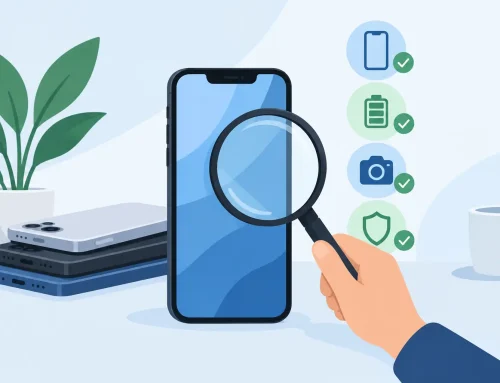
If you care about clean condition, battery health, and predictable performance, buying from a seller that checks and tests used devices properly matters a lot. That is where many buyers feel more comfortable with a retailer rather than a random marketplace listing. Being able to inspect the device, confirm condition, and ask about storage, region set, and battery status reduces the risk.
What buyers in 2026 should avoid
The wrong phone is not always a bad phone. Sometimes it is just a bad fit.
One common mistake is buying based on processor branding alone. A powerful chip sounds great, but if you mostly message, browse, stream, and take basic photos, you may never feel the difference. Spending more for benchmark numbers you will not notice is not the best use of your budget.
Another mistake is choosing too little storage to save a small amount upfront. That saving disappears fast when you run out of space and start deleting photos, uninstalling apps, or paying for cloud storage.
You should also be careful with imported sets if warranty support or network compatibility is unclear. Some buyers are fine with that trade-off for a lower price. Others prefer local stock because it keeps after-sales issues simpler. It depends on your comfort level, but clarity matters.
Finally, do not ignore how the phone feels in hand. A large display may look better for videos and gaming, but it can be annoying for one-handed use or daily commuting. If possible, test the size before buying.
A practical way to narrow your options
If your budget is tight, start with value brands and compare models with at least 256GB storage, decent battery size, and a screen you will enjoy using every day. If your budget is mid-range, compare new upper-mid phones against older premium models. That is often where the smartest buys are.
If your budget is flexible and you want to keep the phone for years, premium iPhone, Samsung, or Google models are usually the easiest shortlist. They cost more upfront, but they tend to make sense for buyers who care about long-term software support, stronger cameras, and better resale potential.
For shoppers who want to compare options in person, a retailer with both new and tested used stock can make the process faster. Instead of guessing from a spec sheet, you can compare screen size, condition, and handling side by side. For many buyers, that is the easiest way to avoid overpaying or choosing the wrong model.
The best phone purchase in 2026 is rarely the flashiest one. It is the one that fits your budget, covers your daily needs without compromise, and still feels like a good deal six months later. Buy for real use, not launch-day noise.