A cheap phone that lags after two months is not a deal. A flagship that stretches your budget for features you will never use is not a smart buy either. If you are browsing phones for sale 2026, the real goal is simple: get the best mix of price, condition, performance, and daily reliability.
That is where a lot of buyers get stuck. The market keeps getting wider, not clearer. You can now choose between new mid-range phones that are surprisingly strong, older flagships that still feel premium, and used devices that cost far less if the condition is right. The best option depends on how you actually use your phone, how long you plan to keep it, and whether storage, camera quality, battery life, or resale value matters most.
How to shop phones for sale 2026 without overpaying
The fastest way to overspend is to shop by hype instead of use case. Most buyers do not need the most expensive model in a brand lineup. They need a phone that handles messaging, payments, social apps, video, maps, and casual photos without slowing down or running out of battery halfway through the day.
For many people, the sweet spot in 2026 is still the upper entry-level to mid-range category. That is where brands like Samsung, Xiaomi, Poco, Realme, Honor, Oppo, Infinix, and CMF continue to compete aggressively on RAM, storage, screen quality, and battery size. If your budget is tighter, this is usually where the best value sits.
If you care more about camera consistency, software polish, or long-term resale value, then Apple, Samsung Galaxy S series, Google Pixel, and some premium Xiaomi models may still be worth the extra cost. But even here, buying the newest release is not always the smartest move. Last year’s premium model often gives you 80 to 90 percent of the experience for a much better price.
New or used phones for sale 2026?
This is one of the biggest buying decisions, and there is no one answer for everyone.
A new phone makes sense if you want full battery health, untouched condition, and the longest possible software support window. It is also the easier option if you are buying for someone else and want a straightforward purchase with fewer variables.
A used phone makes sense when value matters more than box-fresh condition. A properly checked pre-owned device can give you a higher-tier model for the price of a lower-tier new one. That trade-off is often worth it if you want better cameras, stronger chipsets, wireless charging, or premium materials without paying flagship money.
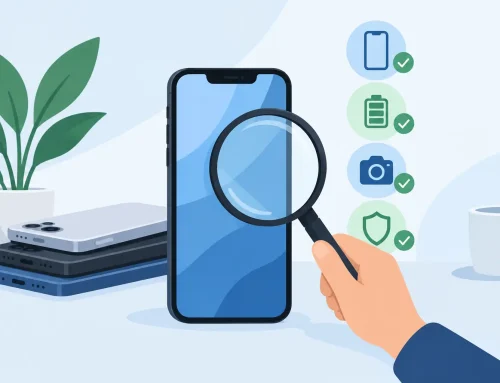
The catch is condition. With used phones, you should care less about marketing terms and more about practical checks. Battery health, screen condition, frame wear, charging performance, camera function, Face ID or fingerprint operation, speaker quality, and network reliability matter more than whether the box looks nice. If a store allows in-person viewing and testing, that removes a lot of buying risk.
Which phone type fits your budget?
Budget shoppers usually do best by dividing the market into practical tiers instead of chasing one “best phone.”
Under budget tier
If your goal is to spend as little as possible while still getting a usable smartphone, focus on battery size, decent RAM, and enough storage for everyday apps. Infinix, Realme, Poco, and some Samsung A-series or Oppo A-series models are usually strong in this category. At this level, expect trade-offs in camera quality, build materials, and gaming performance.
Still, a lower-cost phone can be a good buy if your needs are basic. Calling, messaging, video streaming, web browsing, and school or work apps do not require flagship hardware. What matters more is avoiding weak storage configurations that fill up too fast.
Mid-range tier
This is where most smart buyers should look first. Mid-range phones in 2026 are much better than they were a few years ago. You can get high refresh rate displays, large batteries, fast charging, and enough processing power for multitasking and mobile gaming.
Samsung A-series, Poco X and F series, Xiaomi Redmi Note models, Honor mid-range devices, Nothing Phone or CMF options, and selected Oppo or Realme models often compete hard here. The differences are usually not dramatic on paper, so your choice often comes down to software preference, camera tuning, design, and whether you want a cleaner interface or more aggressive specs for the money.
Premium and flagship tier
If you use your phone heavily for content creation, work, gaming, photography, or just plan to keep it for several years, paying more can still make sense. Premium devices tend to offer better camera processing, more stable performance under load, brighter displays, stronger water resistance, and better long-term value.
Apple iPhone models remain strong for buyers who want predictable resale value and a familiar ecosystem. Samsung flagships are attractive if you want premium displays and feature-rich software. Google Pixel appeals to users who prefer a cleaner Android experience and strong photo performance. The trade-off is obvious: you pay more upfront, and not every premium feature changes daily use for the average buyer.
Specs that actually matter in 2026
Not every spec deserves equal attention. Some influence daily use a lot more than others.
Storage matters more than most people think. A phone with too little storage becomes frustrating quickly, especially if you use video apps, take a lot of photos, or keep games installed. For many buyers, 256GB is becoming the safer long-term choice if the price gap is reasonable. A cheap 128GB model can stop feeling cheap once you start deleting apps to make space.
RAM matters too, but context matters. More RAM helps with multitasking and app retention, but it does not automatically make a weak processor fast. For general use, decent optimization paired with enough RAM is better than big numbers alone.
Battery life is still a major deal. A large battery, efficient chipset, and reliable charging speed are worth prioritizing over flashy features you may not use. If you are out all day, battery performance affects satisfaction more than small camera differences.
Camera quality depends on your expectations. Many brands now offer big megapixel numbers, but image processing, low-light performance, and video stability often separate a good camera from a marketing claim. If camera quality matters, look beyond the headline spec.
Brand differences buyers should think about
Apple is usually the straightforward choice for users who want strong resale value, familiar software, and accessory support. The downside is price. Even older iPhones can cost more than similarly aged Android alternatives.
Samsung covers almost every price range well, which makes it practical for buyers comparing budget and premium options within the same brand. Xiaomi and Poco tend to push stronger hardware value, especially for users who care about performance and battery life. Google Pixel can appeal to users who want cleaner software and strong camera output, though availability and model selection may vary.
Brands like Honor, Oppo, Realme, Sharp, Infinix, and CMF can be smart buys when you compare actual specs against price rather than brand prestige. For value-focused shoppers, that matters. You are buying the phone, not the ad campaign.
When a trade-in changes the math
A lot of buyers look only at sticker price and miss the better move. If you already own a phone that still has value, a trade-in or buy-back can reduce your real upgrade cost more than waiting for a small sale.
This matters most when your current device is still working well and has not picked up major damage. The longer you wait, the more resale value usually drops. For buyers trying to move from an older device to a stronger used or mid-range phone, trade-in value can make the numbers work better than paying full cash difference.
What to check before you buy
Whether you are buying online or in person, be practical. Confirm the exact storage and RAM variant. Check if the set is local, what accessories are included, and what the condition notes actually mean. For used units, ask about battery condition and whether key functions have been tested.
If you can inspect the phone before buying, do it. Screen issues, weak battery performance, charging port wear, and speaker problems are much easier to spot in person than after the sale. For used models especially, tested stock gives more confidence than vague condition claims.
For buyers in Singapore who want to compare new and pre-owned devices side by side, a retailer like Gadget Affair can make that process simpler because you are not limited to one brand or one price band.
The smartest way to choose from phones for sale 2026
Start with your budget, then your non-negotiables. If you need long battery life, do not let camera marketing distract you. If you store a lot of media, do not settle for low storage just to save a little upfront. If you want premium feel without premium pricing, a checked used flagship may beat a new lower-tier phone.
A smart phone purchase is rarely about buying the newest model first. It is about buying the right level of phone for how you live, work, and spend. If you stay honest about that, the best deal gets easier to spot.