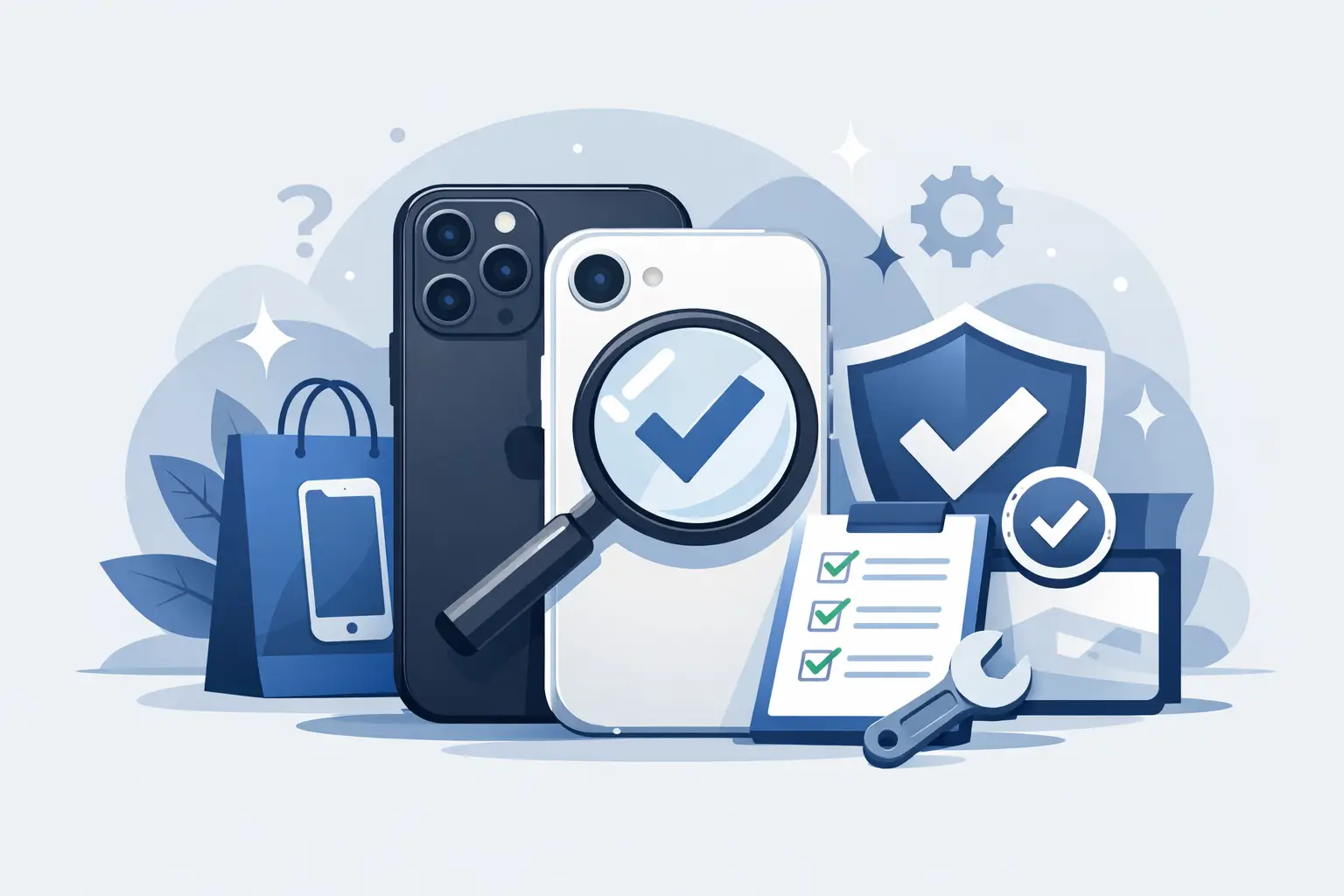
A low price on an iPhone looks good until the battery drains by lunch, Face ID stops working, or the seller disappears after the deal. That is why a used iPhone with warranty makes more sense than a random marketplace buy. You are not just paying for the phone. You are paying for checks, accountability, and a better chance that the device is ready to use from day one.
For most buyers, the real question is not whether used is worth it. It usually is. The question is whether the savings are still good after you factor in risk. A proper warranty helps close that gap. It does not make every used phone equal, but it gives you a clear layer of protection that a private sale usually does not.
Why a used iPhone with warranty is worth considering
Apple devices hold value for a reason. Even older models still run well, get software support for years, and work smoothly for everyday use. That makes the used market attractive, especially if you want a better model, more storage, or simply a lower upfront cost.
The problem is that condition can vary a lot. Two phones with the same model name and storage size can feel completely different in actual use. One may have strong battery health, clean cameras, and no repair history. Another may look fine in photos but have weak battery life, a replaced screen, or charging issues.
A warranty matters because it gives the purchase some structure. It tells you the seller has enough confidence in the device to stand behind it for a stated period. That alone does not guarantee quality, but it is usually a better sign than a phone sold strictly as-is.
What the warranty should actually cover
Not all warranties are equal, and this is where buyers often get caught. Some hear the word warranty and assume every issue will be handled. In reality, coverage depends on the seller’s terms.
A good used phone warranty should clearly explain what counts as a covered fault, how long coverage lasts, and what happens if there is a problem. For example, does it cover hardware defects only, or battery performance too? Will the seller repair the phone, replace it, or offer store credit? Is accidental damage excluded? In most cases, it is.
You should also check whether the warranty applies only if the phone remains in original condition. If you crack the screen, expose it to water, or have it repaired by someone else, coverage is usually void. That is standard. What matters is that the terms are stated plainly before you buy.
How to judge the phone, not just the promise
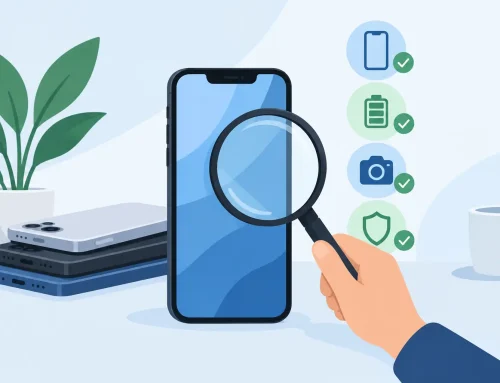
A used iPhone with warranty is strongest when the device itself has already gone through proper checks. The warranty is the backup. The inspection is the first line of defense.
Start with battery health. This affects daily use more than many buyers expect. A phone with a low battery percentage may still turn on and look fine, but it can feel frustrating within a week. If battery health is borderline, the price should reflect that, or the seller should disclose whether the battery has been replaced.
Next, check for parts and repair history. On newer iPhones, the device may indicate whether the display, battery, or camera has been replaced. A replaced part is not automatically a dealbreaker, but it does raise follow-up questions. Was the repair done properly? Are features like True Tone or Face ID still working as expected? Original functionality matters more than the label alone.
Physical condition also matters, but in a practical way. Small scuffs around the frame are common and usually acceptable if the price is fair. What deserves more attention is a bent chassis, deep impact marks, camera lens damage, or signs of prior water exposure. Cosmetic wear is one thing. Structural damage is another.
The checks that make a difference in store
If you can test the phone in person, do it. A proper in-store check is one of the biggest advantages of buying from an established retailer instead of meeting a stranger in a parking lot.
Turn the display brightness up and down. Test touch response across the full screen. Open the camera app and switch between front and rear cameras. Try video recording, speaker output, microphone pickup, charging, vibration, Wi-Fi, Bluetooth, and mobile signal detection with a SIM if possible. Check Face ID or Touch ID. These are basic tests, but they catch many of the problems that do not appear in listing photos.
This is also where a local retailer has an edge. If the store allows inspection, explains the grading, and answers direct questions without dodging, that is a better buying environment. Gadget Affair, for example, positions used stock around testing, checks, and ready-to-buy convenience, which is exactly what secondhand buyers usually want.
Price matters, but only in context
Many buyers start with price and work backward. That is understandable, but it can lead to bad comparisons. A cheaper iPhone is not automatically the better deal if it has weaker battery health, questionable parts, or no warranty support.
It is better to compare based on total value. Look at the model, storage size, physical condition, battery health, local availability, and warranty length together. A phone that costs slightly more but has been inspected, tested, and backed by a clear warranty often works out better than the cheapest listing online.
This is especially true for buyers who need the phone to work immediately for school, work, travel, banking apps, or daily communication. If downtime costs you time and hassle, the lowest price is not always the lowest real cost.
Which buyers benefit most from a used iPhone with warranty
Students usually want the most iPhone they can get for a set budget. A used model with warranty can stretch that budget into a better camera, more storage, or a newer chipset. Young professionals often want a reliable work and personal device without paying full new-retail pricing. Everyday users may simply want a replacement phone that works well and does not create follow-up problems.
For these buyers, warranty coverage reduces purchase anxiety. It is not about expecting something to go wrong. It is about knowing you have a path if something does. That matters more when you are buying secondhand.
On the other hand, if you are the kind of buyer who upgrades every year, chases the newest release, or wants perfect cosmetics only, a used phone may feel like too much compromise. The value is strongest when your priority is practical performance, not showroom condition.
Common red flags buyers should not ignore
A vague listing is usually a warning sign. If the seller does not state battery health, storage, condition, or whether the phone has been repaired, ask. If the answers stay unclear, move on.
Be careful with prices that are far below the market range. Sometimes a deal is simply a deal. Often, it means hidden issues, activation lock risks, or undocumented repairs. The same goes for sellers who rush the transaction, avoid testing, or refuse to explain warranty terms in writing.
Also confirm the phone is fully reset, not tied to someone else’s Apple ID, and ready for activation. A secondhand iPhone is only a bargain if you can actually use it.
How to buy with fewer regrets
The best used iPhone purchase is rarely the flashiest one. It is the one with the clearest condition, the most transparent checks, and warranty support that makes sense for the price.
Ask direct questions. Test what you can. Read the warranty terms before payment, not after. Compare devices by condition and support, not just by model name. If two phones are close in price, the one with better inspection standards and clearer after-sales support is usually the safer buy.
A used iPhone with warranty gives you room to save without taking on all the risk yourself. That is the balance most buyers actually want – a fair price, a phone that is ready to use, and a seller who is still there after the sale. If you can get those three things in one purchase, you are already shopping smarter.